
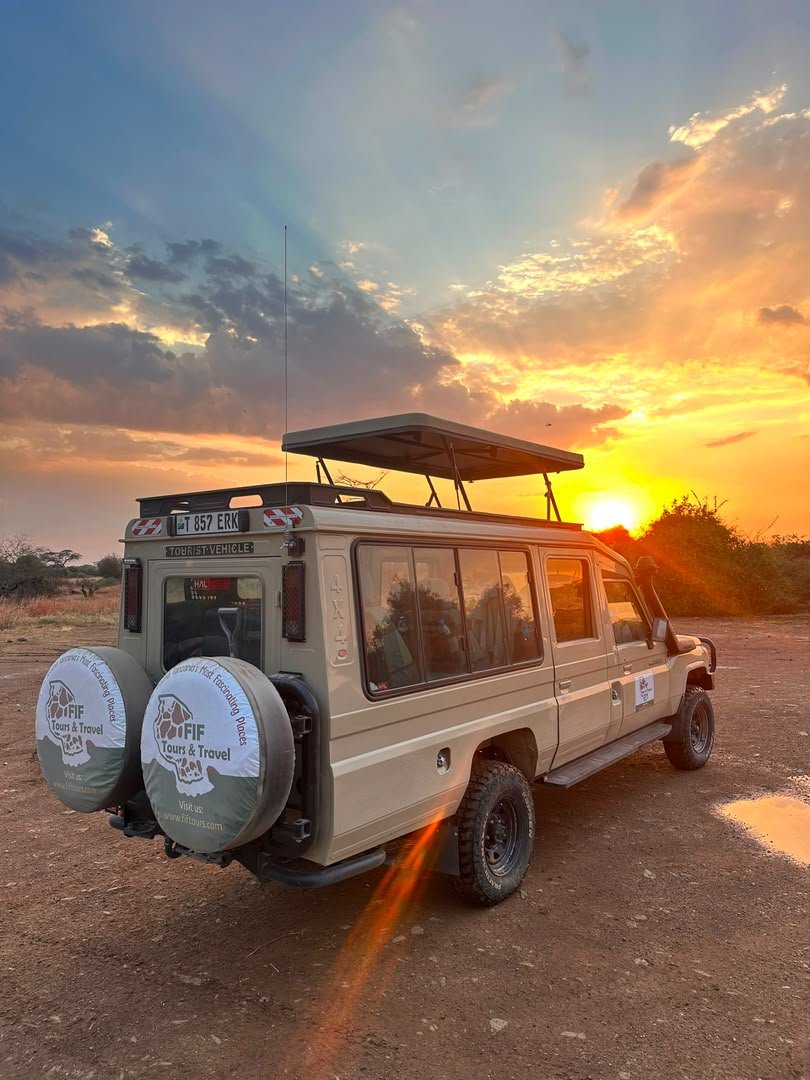
Planning a Tanzania safari is not simply a matter of choosing national parks and deciding how many nights to spend in each one. The quality of an itinerary depends on how well the destinations, travel times, wildlife seasons, accommodation and daily activities work together.
A well-planned Tanzania safari itinerary allows travellers to experience the country’s diverse landscapes without spending too much of their holiday travelling between destinations. It also accounts for the differences between parks, the movement of wildlife and the practical demands of travelling across northern Tanzania.
For example, a five-day safari covering Tarangire National Park, Serengeti National Park and the Ngorongoro Crater requires a different approach from a five-day safari focused exclusively on the Serengeti. Both can offer excellent wildlife experiences, but the time available for game drives, the distances involved and the accommodation arrangements are considerably different.
The key is to build an itinerary around the experience a traveller wants, rather than simply adding as many destinations as possible.
Understanding What Makes a Tanzania Safari Itinerary Work
A successful Tanzania safari itinerary balances four essential elements: wildlife opportunities, geographical distance, time spent in each destination and the traveller’s personal priorities.
Start With the Wildlife Experience
The first decision should be what the traveller hopes to experience. Someone interested in elephants, for example, may prioritise Tarangire National Park, while someone hoping to witness the Great Migration may want to dedicate more time to the Serengeti.
Different destinations offer different wildlife environments:
- Tarangire National Park: Known for its large elephant populations, baobab trees and seasonal wildlife concentrations along the Tarangire River.
- Serengeti National Park: Famous for its extensive savannahs, large predator populations and the annual wildebeest migration.
- Ngorongoro Crater: A distinctive volcanic caldera with a high concentration of wildlife, including opportunities to see black rhinos.
- Lake Manyara National Park: Offers varied habitats, including groundwater forests, woodland and lakeshore environments.
The choice of parks should reflect the wildlife experience, available time and season. Visiting four parks does not necessarily produce a richer safari than spending longer in two destinations.
Match the Itinerary to the Season
Seasonality influences wildlife distribution, road conditions, landscape appearance and the type of safari experience available.
The Great Migration is a particularly important consideration. Wildebeest and zebra move across the Serengeti ecosystem in response to rainfall and grazing conditions. Their location changes throughout the year, so an itinerary designed around migration should account for the expected seasonal movement rather than rely on a fixed calendar alone.
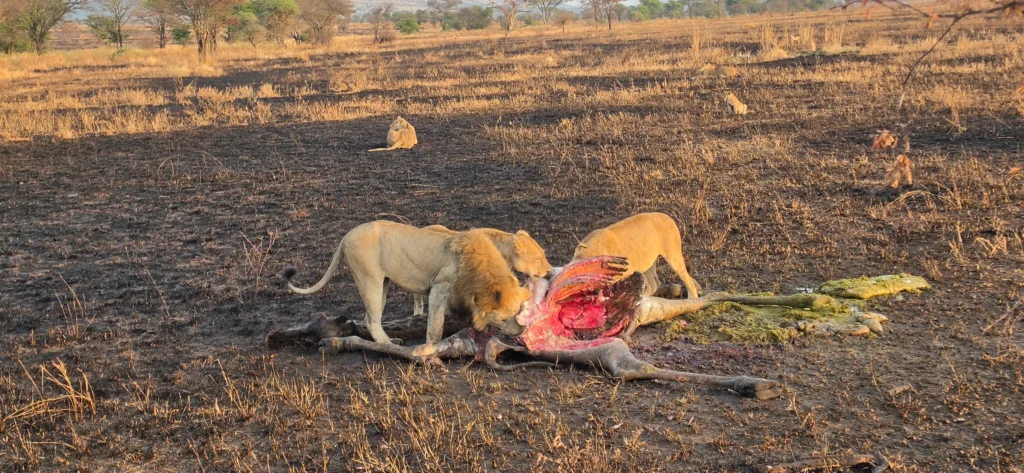
During approximately January and February, the southern Serengeti and Ndutu area are associated with the wildebeest calving season. Between June and October, wildlife movements may bring large herds towards the western and northern parts of the ecosystem, although the timing varies with rainfall.
Travellers hoping to see river crossings in Northern Serengeti should understand that these events are unpredictable. A stay of several nights improves the opportunity to observe wildlife in the area, but no itinerary can guarantee a crossing.
For travellers whose priority is general wildlife viewing rather than a particular migration event, the itinerary can be planned around a broader range of parks and wildlife habitats.
How Many Days Do You Need for a Tanzania Safari?
The number of days available determines which destinations can be combined without compromising the time spent observing wildlife. A short itinerary can cover several parks, but the distances between them need to be considered before deciding how many destinations to include.
Three to Four Days: Focus on a Smaller Area
A three- or four-day safari is suitable for travellers with limited time. A northern Tanzania itinerary can combine Tarangire and Ngorongoro, or focus on the Serengeti if reaching it by air is practical.
A road safari that includes the Serengeti and Ngorongoro requires careful scheduling. Travelling between these destinations takes time, particularly when the route follows park tracks and includes wildlife viewing along the way.
For a short safari, limiting the number of destinations helps preserve time for game drives rather than spending much of the holiday transferring between parks.
Five to Six Days: Combine Key Northern Parks
Five or six days provide more flexibility for combining Tarangire, Serengeti and Ngorongoro. However, the number of nights allocated to each destination matters more than the number of parks listed.
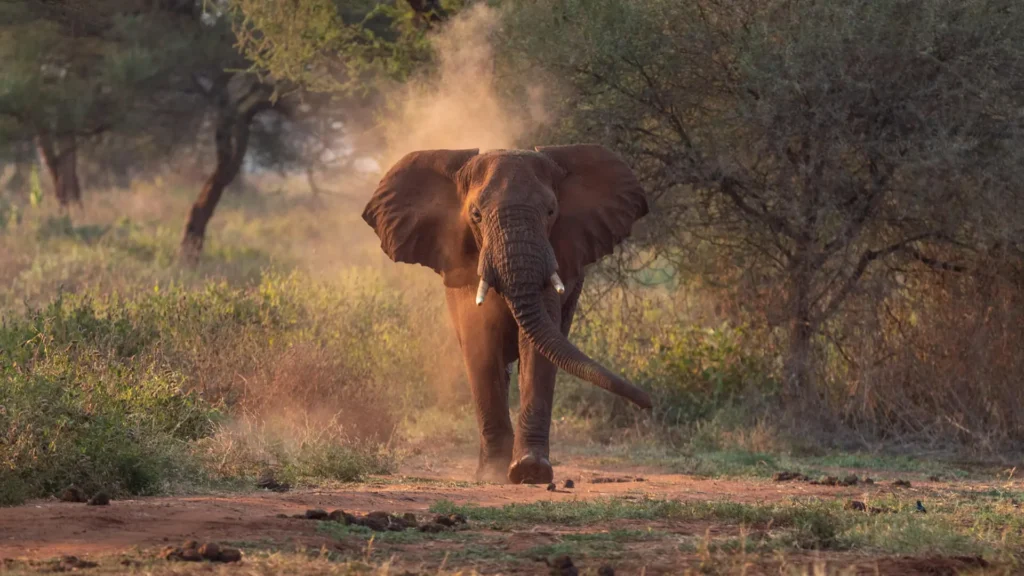
Tarangire’s dry-season wildlife concentrations make it a useful part of a northern circuit itinerary.
A possible five-day structure is:
| Day | Destination | Main activity |
|---|---|---|
| 1 | Arusha to Tarangire | Afternoon game drive |
| 2 | Tarangire to Central Serengeti | Scenic journey and wildlife viewing |
| 3 | Central Serengeti | Full-day game drive |
| 4 | Serengeti to Ngorongoro | Morning game viewing and transfer |
| 5 | Ngorongoro Crater | Crater game drive and onward transfer |
This is a compact itinerary. The second and fourth days involve substantial travel, so the available time for wildlife viewing will depend on departure times, road conditions and the chosen accommodation.
For travellers who prioritise Serengeti wildlife, allocating three nights to the park can provide additional flexibility. Removing one of the shorter stops may make more sense than trying to include every destination.
Seven to Ten Days: Allow More Time in Each Destination
A seven- to ten-day safari gives travellers more flexibility to combine the northern circuit’s main destinations while allowing additional time for wildlife viewing.
An extended itinerary can include two or three nights in the Serengeti, time in Tarangire and a visit to the Ngorongoro Crater. It can also accommodate a visit to Lake Manyara or additional nights in a particular Serengeti region.
For travellers interested in the Great Migration, extra nights in the appropriate seasonal region can be more useful than adding another national park. For those interested in a broad wildlife experience, a longer circuit can provide a greater variety of habitats.
The important distinction is between time spent travelling through a destination and time actually available to explore it.
Choose the Right Safari Route
The route determines how much time travellers spend driving, which destinations can be combined and where overnight accommodation should be arranged.
The Northern Tanzania Safari Circuit
The northern circuit is a practical choice for travellers interested in combining several well-known wildlife destinations. Arusha provides a convenient starting point for road safaris to Tarangire, Lake Manyara, Ngorongoro and the Serengeti.
The order of destinations should reflect the itinerary’s priorities. Travellers visiting during the dry season may wish to include Tarangire because wildlife often concentrates around its permanent water sources. Those travelling specifically for the Great Migration may need to prioritise the appropriate Serengeti region instead.
Tanzania National Parks identifies route planning, seasonal conditions, park selection, accommodation and safety as important parts of preparing a visit.
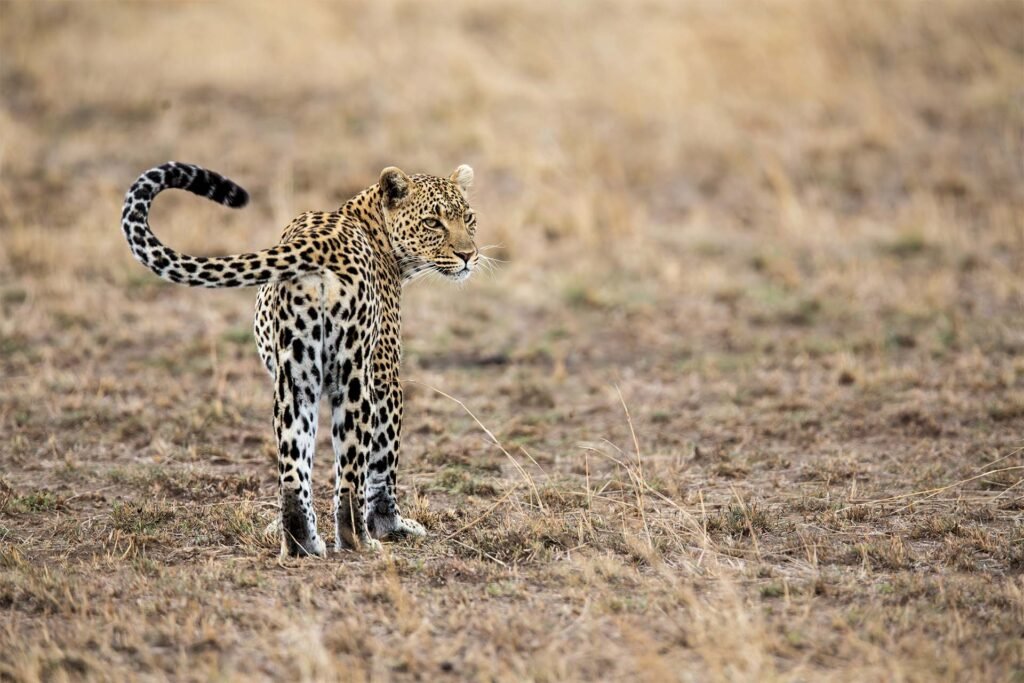
Plan Driving Distances Before Booking Accommodation
One of the most common itinerary-planning mistakes is treating driving time as though it were separate from the safari experience.
For example, travelling from the Ngorongoro area to Central Serengeti is not equivalent to driving between two towns on a paved highway. The route includes park roads, changing terrain and opportunities to observe wildlife. The journey can occupy much of the day.
Accommodation should therefore be selected according to the route, not simply according to the name of a destination. Staying in a convenient location can reduce unnecessary driving and make early-morning game drives more practical.
For Tarangire, the official park visitor guide describes a road journey of approximately 2.5 to 3 hours from Arusha under suitable conditions. Actual travel times depend on the departure point, traffic, road conditions and the selected entrance.
Tarangire National Park
When planning longer transfers, allow sufficient time for meals, rest stops, park procedures and changes in road conditions. An itinerary that looks efficient on paper may become difficult to follow if it assumes every journey will take place under ideal conditions.
Allocate Enough Time for Game Drives
Game drives are the central activity of most Tanzania wildlife safaris. Their timing and duration should influence where travellers stay and how the itinerary is structured.
Why Full-Day Game Drives Matter
Wildlife activity changes throughout the day. Early mornings and late afternoons can offer opportunities to observe animals when temperatures are relatively cool. During the hotter part of the day, some animals become less active, although sightings remain possible.
A full-day game drive in the Serengeti gives travellers more flexibility to explore different habitats and follow wildlife activity without returning to their accommodation in the middle of the day.
For example, a traveller staying in Central Serengeti can explore the Seronera area and its surrounding plains, river valleys and woodland habitats. The specific route should depend on current wildlife sightings, seasonal conditions and park regulations.
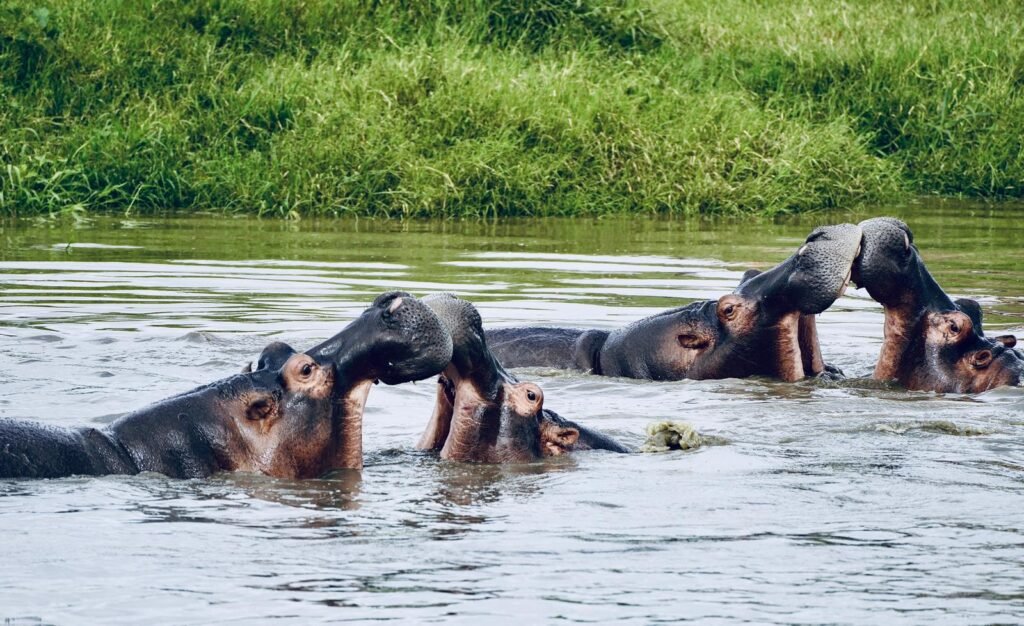
However, longer game drives do not automatically guarantee more sightings. Wildlife is unpredictable, and the quality of a game drive depends partly on the location, season, habitats explored and the time available.
Avoid Rushing Between Wildlife Sightings
A well-structured itinerary gives travellers enough time to observe wildlife rather than treating every sighting as a reason to rush towards the next destination.
When an itinerary includes several parks in quick succession, the time available at each location may become limited. This is particularly relevant for travellers interested in photography, birdwatching or observing predator behaviour.
Allowing adequate time in one region can provide opportunities to appreciate different wildlife interactions and the changing character of the landscape.
Select Accommodation That Supports the Itinerary
Accommodation is not simply a place to sleep between game drives. Its location can influence departure times, wildlife-viewing opportunities and the amount of time spent on the road.
Choose Lodges According to Location
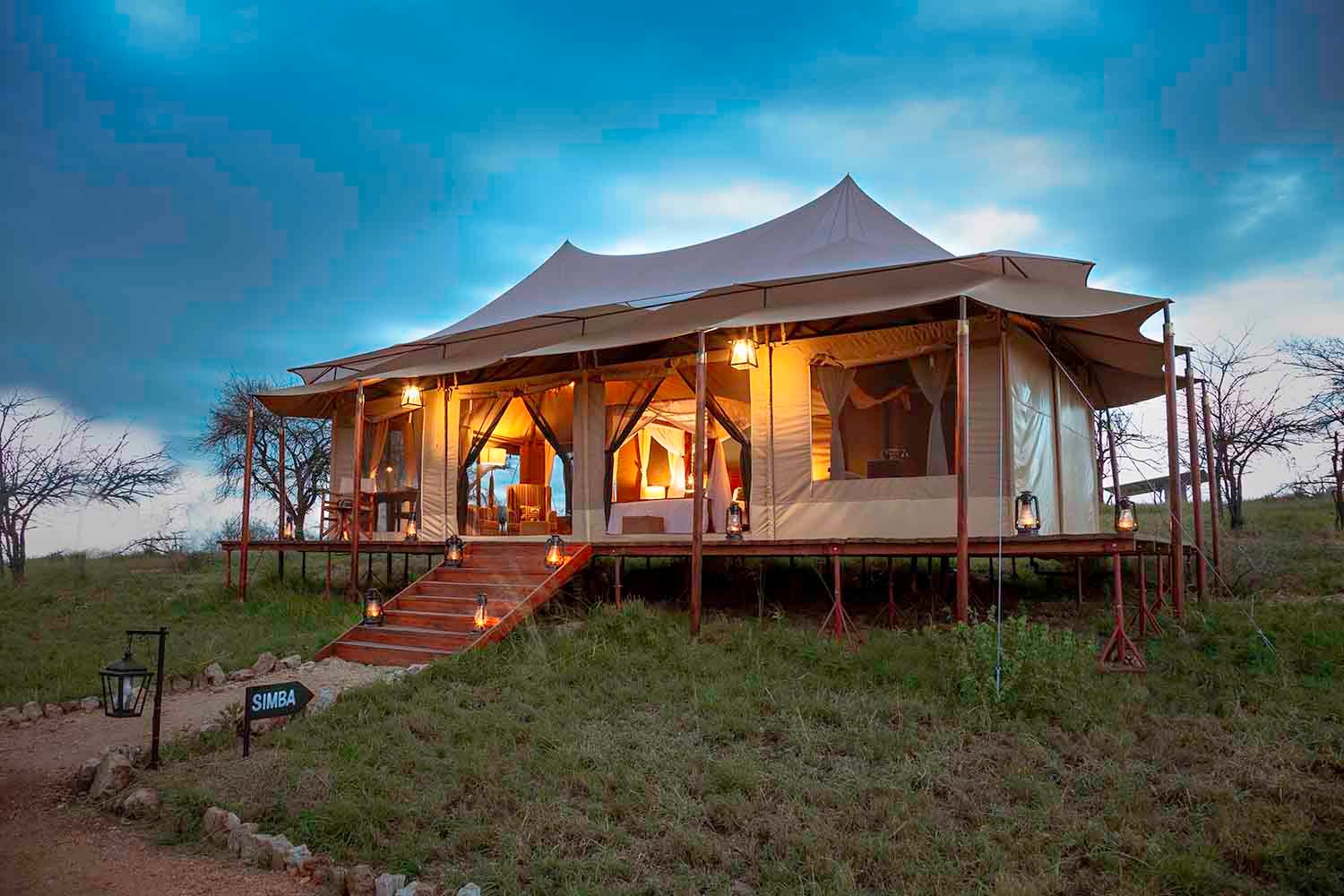
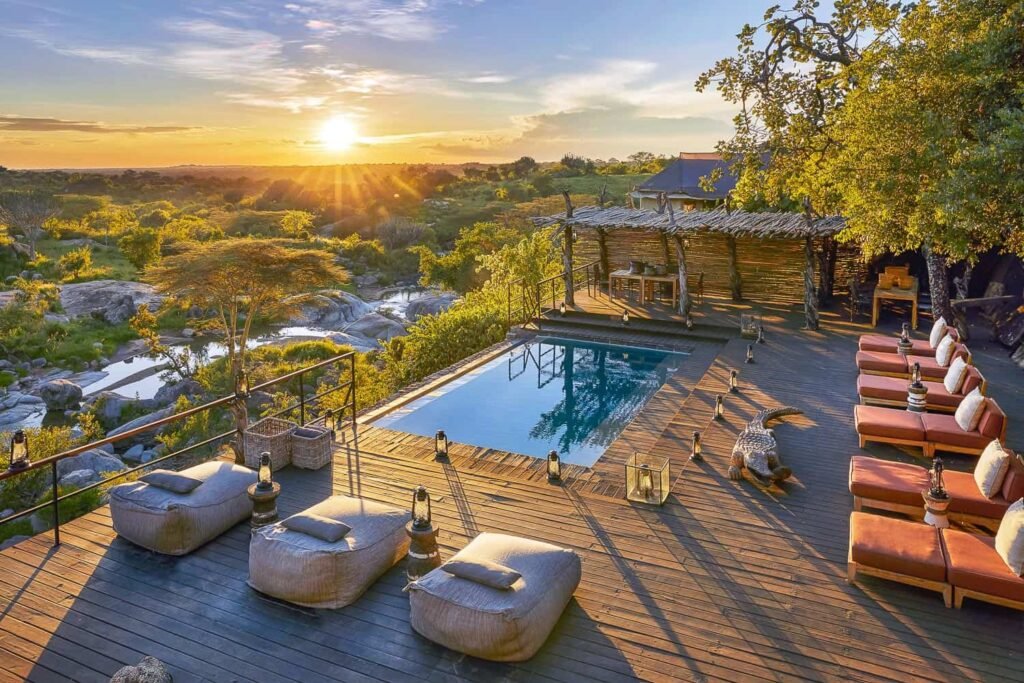
In the Serengeti, accommodation in Central Serengeti provides access to the Seronera area, while camps in Northern Serengeti are more suitable for travellers focusing on seasonal migration movements in that region.
For a migration-focused itinerary, accommodation should be selected according to the expected location of the herds. Staying in the wrong region can result in substantial additional driving and less time for wildlife viewing.
In Tarangire, accommodation near the park or in suitable areas within it can reduce the time required to reach game-viewing locations. The choice depends on the intended activities, budget and permitted accommodation arrangements.
Balance Accommodation Costs With Travel Time
A lower accommodation rate does not necessarily mean a lower overall safari cost. A property farther from the planned activities may increase transfer time and affect the daily schedule.
When comparing lodges, consider:
- Distance from the intended game-viewing areas.
- Whether meals are included.
- Accessibility during the planned travel season.
- Room arrangements and the number of travellers.
- Applicable park or concession charges.
- Whether the accommodation supports the planned departure and arrival times.
The appropriate accommodation category also depends on the traveller’s priorities. Mid-range lodges, luxury tented camps and more basic properties can all form part of a well-planned itinerary when their locations and services suit the trip.
Calculate the Total Tanzania Safari Cost
A Tanzania safari itinerary should be designed around a realistic budget. The total price depends on several components, and the number of days alone does not determine the final cost.
Understand the Main Cost Components
A safari quotation generally includes some combination of:
- Park entry and applicable conservation fees.
- Safari vehicle and professional guide services.
- Accommodation and meals.
- Transfers and airport transportation.
- Applicable concession or camping fees.
- Optional activities, such as hot-air balloon safaris.
- Taxes and other applicable charges.
The exact inclusions vary by itinerary and operator. Travellers should compare quotations using the same accommodation category, travel dates, group size and included services.
Consider the Effect of Group Size
The number of travellers influences the cost per person. A private safari for two people has a different vehicle and accommodation cost structure from a safari shared by a larger group.
For example, a group travelling together may share vehicle expenses, while the accommodation cost depends on the number and type of rooms required.
A useful quotation should clearly distinguish between included services, optional activities and expenses that travellers must pay separately. This makes it easier to understand the actual value of an itinerary instead of comparing headline prices alone.
Build Flexibility Into the Safari Itinerary
Wildlife safaris involve conditions that cannot be controlled entirely. Rainfall, wildlife movements, road conditions and occasional changes to accommodation availability can affect the original schedule.
An itinerary should allow reasonable flexibility without compromising essential arrangements.
Allow for Seasonal Changes
The green season can offer lush scenery and excellent birdwatching opportunities, while the dry season generally makes wildlife easier to locate around water sources. However, individual parks respond differently to rainfall, and conditions can vary within the same season.
TANAPA identifies June to October as the dry season and March to May as the main long-rains period, while November and December generally bring shorter rains. These are useful planning guidelines, not guarantees of daily weather conditions.
For travellers visiting during the rainy season, accommodation access and road conditions deserve particular attention. A route that is straightforward in dry conditions may require additional time or an alternative arrangement after heavy rainfall.
Keep Essential Activities Realistic
Avoid scheduling several demanding activities on the same day. A morning crater descent followed by a long transfer to another destination, for example, may leave little time for other planned activities.
Where possible, separate demanding travel days from activities that require substantial time. This is especially useful for families, photographers and travellers who prefer a less hurried schedule.
Common Mistakes to Avoid When Planning a Tanzania Safari
Several planning mistakes can reduce the time available for wildlife viewing or create unnecessary costs.
| Mistake | Why it matters | Practical solution |
|---|---|---|
| Including too many parks | Increases transfer time and reduces exploration time | Prioritise destinations based on wildlife interests |
| Ignoring migration movements | May place travellers far from the seasonal herds | Match the Serengeti region to travel dates |
| Choosing accommodation by price alone | Can increase daily driving time | Compare location and total itinerary cost |
| Underestimating travel time | Creates an unrealistic daily schedule | Allow for park roads, stops and seasonal conditions |
| Expecting guaranteed sightings | Wildlife movements are unpredictable | Allow several game drives in suitable habitats |
| Overlooking park fees | Can lead to unexpected expenses | Confirm current applicable fees before booking |
The most useful correction is to evaluate the entire itinerary as one connected journey. Each destination, accommodation choice and transfer should contribute to the overall experience.
Example of a Seven-Day Tanzania Safari Itinerary
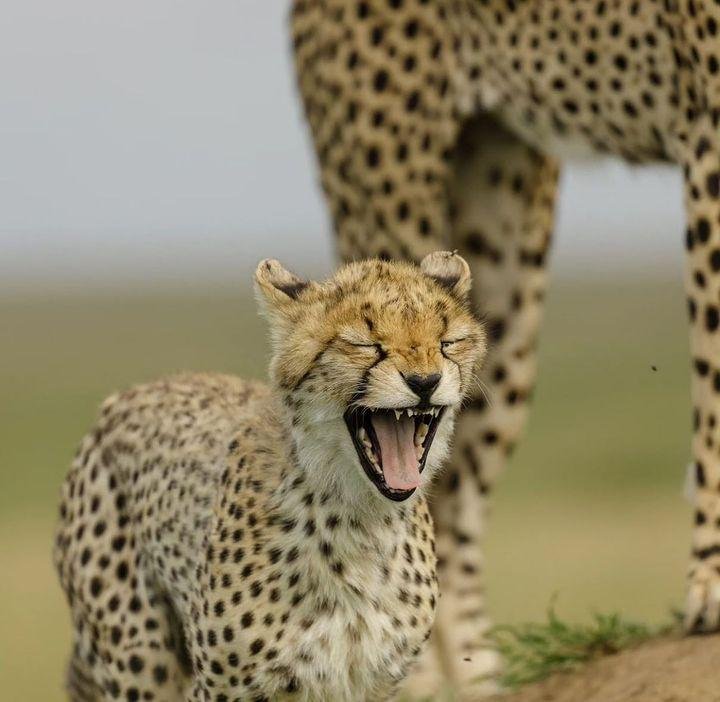
A seven-day northern Tanzania safari can combine Tarangire, Central Serengeti and Ngorongoro while allowing meaningful time for wildlife viewing.
Day 1: Arrival in Arusha
Arrive in Arusha, transfer to your accommodation and prepare for the safari. Depending on arrival time, the day can include a briefing and final itinerary arrangements.
Day 2: Tarangire National Park
Travel to Tarangire for a game drive. Explore its characteristic baobab landscapes, riverine habitats and wildlife areas before spending the night nearby.
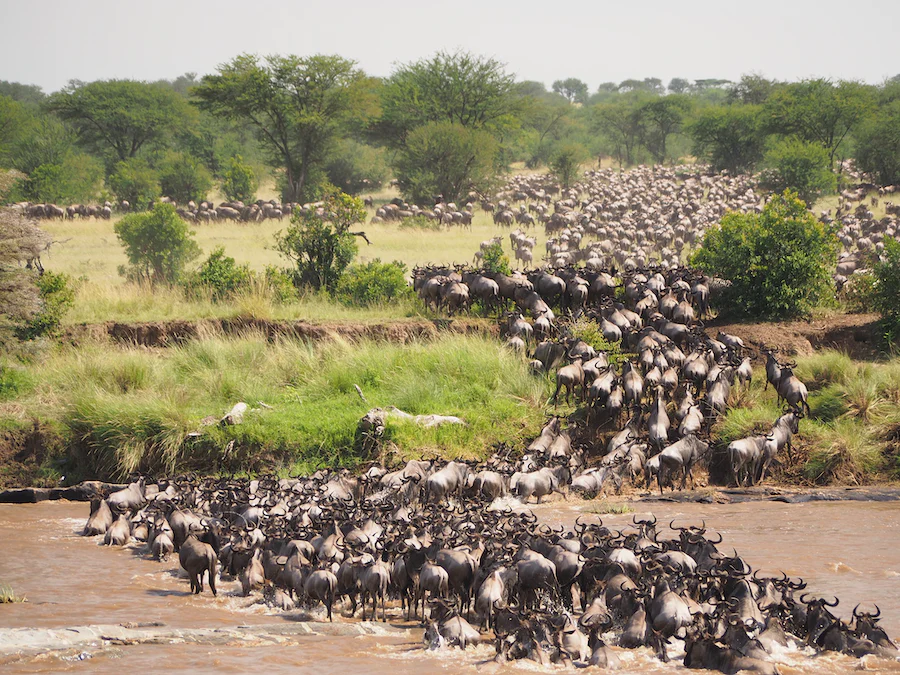
Day 3: Tarangire to Central Serengeti
Travel towards the Serengeti, with wildlife viewing opportunities along the route where permitted. Arrive in Central Serengeti and settle into your accommodation.
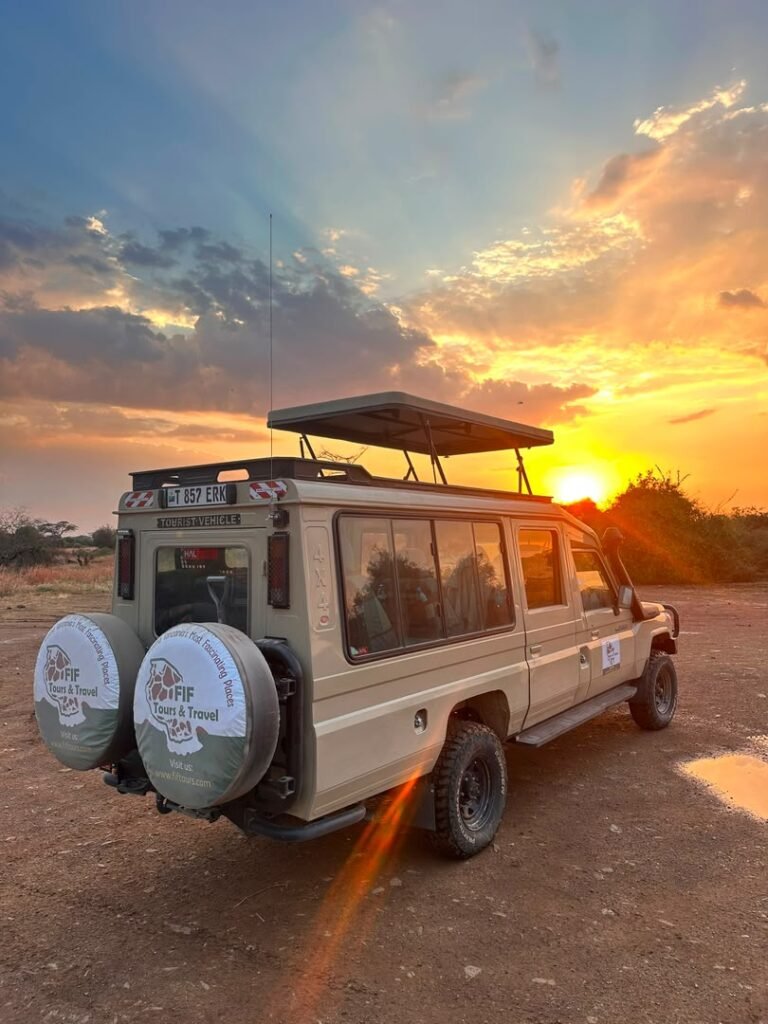
Day 4: Full-Day Central Serengeti Game Drive
Spend the day exploring the Seronera area and its surrounding habitats. The route can be adjusted according to current wildlife sightings and seasonal conditions.
Day 5: Serengeti Wildlife Exploration
Enjoy another game drive in the Serengeti. An additional day provides more opportunities to explore different habitats without immediately leaving the park.
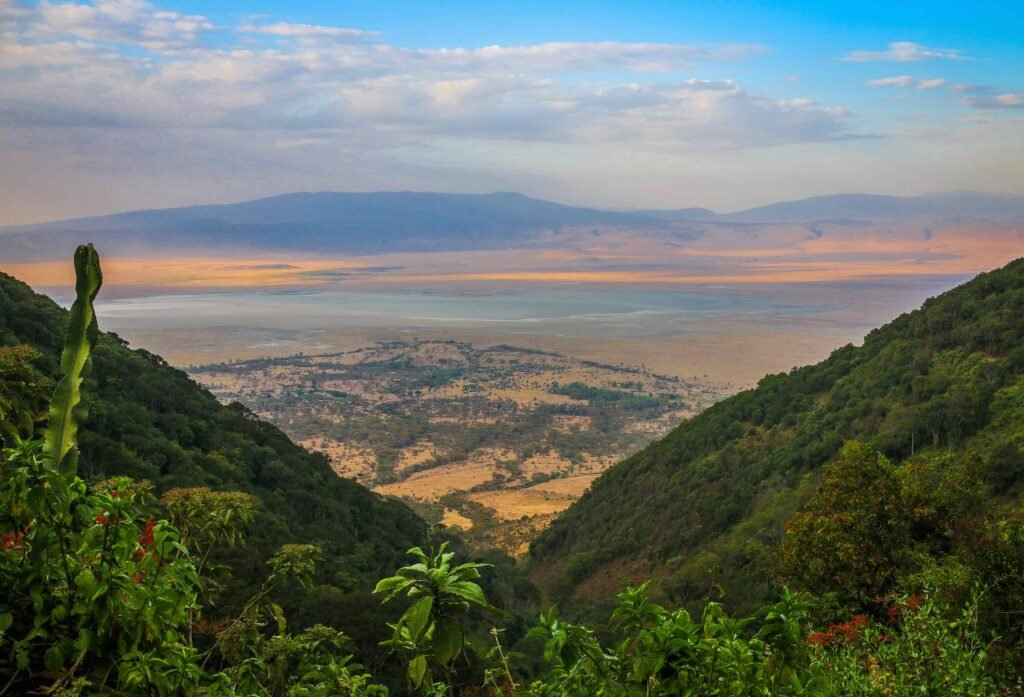
Day 6: Serengeti to Ngorongoro Highlands
Enjoy morning wildlife viewing before travelling towards the Ngorongoro Conservation Area. Spend the night in suitable accommodation near the crater.
Day 7: Ngorongoro Crater
Descend into the crater for a game drive, subject to applicable park regulations and timing. After the visit, continue to Arusha or another agreed destination.
This is an illustrative itinerary, not a fixed schedule. Actual travel times, accommodation locations and park arrangements should be confirmed against the travel dates and the selected route. For migration-focused travel, the Serengeti region may need to change.
How to Make Your Tanzania Safari Itinerary More Personal
A safari itinerary should reflect the traveller’s interests rather than follow the same structure for every booking.
A couple interested in photography may prefer fewer accommodation changes and more time in a particular wildlife region. A family may prioritise manageable driving distances and accommodation that suits its needs. Travellers visiting specifically for the Great Migration may prefer a longer stay in the relevant Serengeti region.
The same principle applies to budget. A traveller with a limited budget may benefit from a shorter, carefully selected route, while someone with more time can consider a wider range of destinations.
Before finalising an itinerary, establish the following:
- Travel dates and total number of safari days.
- Preferred accommodation category.
- Main wildlife interests.
- Arrival and departure airports.
- Group size and room arrangements.
- Budget and any optional activities.
These details help turn a general safari plan into a practical itinerary that reflects the traveller’s actual requirements.
Plan Your Tanzania Safari With FIF Tours & Travel
A well-designed Tanzania safari itinerary brings together the right destinations, suitable accommodation, realistic travel times and seasonal wildlife opportunities. The objective is not to visit the largest possible number of parks, but to make the available time count.
Whether the priority is the Great Migration in the Serengeti, elephants in Tarangire or wildlife in the Ngorongoro Crater, the itinerary should be built around the experience the traveller wants and the time available.
FIF Tours & Travel offers Tanzania safari planning for travellers interested in private wildlife safaris, northern circuit adventures and customised itineraries. Share your travel dates, preferred accommodation and wildlife interests to request a safari proposal tailored to your plans.
Frequently Asked Question
How many days do you really need for a Tanzania safari?
Three to four days can cover a focused safari in selected destinations. Five to seven days allow more flexibility for combining Tarangire, Serengeti and Ngorongoro, while longer itineraries provide more time for regional exploration and wildlife viewing.
Is it worth visiting Tarangire, Serengeti and Ngorongoro on one safari?
Yes, these destinations offer different wildlife habitats and experiences. However, combining all three is more practical on a five- to seven-day itinerary than on a very short safari, because transfers can reduce the time available for game drives.
What is the best route for a seven-day Tanzania safari?
A common northern circuit route is Arusha, Tarangire, Central Serengeti and Ngorongoro, followed by a return to Arusha. The order and overnight stops should reflect travel dates, wildlife priorities and the location of accommodation.
How can you avoid spending too much time driving on a Tanzania safari?
Limit unnecessary destination changes, choose accommodation close to planned game-viewing areas and allow realistic transfer times. For short safaris, concentrating on fewer destinations can preserve more time for wildlife viewing.
Is Central Serengeti or Northern Serengeti better for a short safari?
Central Serengeti offers access to the Seronera area and is often more practical for shorter road safaris. Northern Serengeti is more suitable when the itinerary specifically targets seasonal migration activity there, but it generally requires additional travel time.
What are the biggest mistakes when planning a Tanzania safari itinerary?
Common mistakes include adding too many parks, underestimating driving times, selecting accommodation without considering its location and planning a migration safari without accounting for seasonal wildlife movements.
Can you see the Great Migration on a five-day Tanzania safari?
It is possible, depending on the travel season and location of the herds. However, migration sightings are unpredictable. A five-day itinerary should prioritise the appropriate Serengeti region and allow enough time for wildlife viewing.
How far in advance should you book Tanzania safari accommodation?
Booking several months ahead is advisable for peak travel periods, particularly when choosing popular lodges or planning a migration-focused safari. Less busy periods may offer more flexibility, depending on availability and accommodation preferences.