Tanzania safari planning requires more than choosing a national park and booking a lodge. The timing of your visit, the wildlife you want to see, the location of your accommodation and the route between destinations all influence the experience. A safari designed around the Great Migration in the Serengeti, for example, requires a different itinerary from one focused on Tarangire’s elephants or the wildlife of the Ngorongoro Crater.
Tanzania offers several distinct safari ecosystems, from the vast grasslands of the Serengeti to the baobab-dotted landscapes of Tarangire and the volcanic highlands surrounding Ngorongoro. Each destination has its own seasonal patterns, wildlife concentrations and logistical considerations. Understanding these differences before travelling helps you choose an itinerary that makes practical use of your available time.
The most effective way to plan a Tanzania safari is to connect three decisions: when to travel, where to go and what to pack. The right combination can influence everything from wildlife-viewing opportunities and daily driving distances to accommodation choices and the activities available during your stay.
When Is the Best Time to Visit Tanzania for a Safari?
The best time to visit Tanzania for a safari depends on your preferred wildlife experiences and the regions you intend to explore. Tanzania has distinct wet and dry periods, but conditions differ between its northern, southern and western safari circuits.
The dry season, generally from June to October in much of northern Tanzania, is popular for wildlife viewing. The green season, particularly from January to March in the southern Serengeti and Ndutu, offers a different experience associated with wildebeest calving.
June to October: The Dry Season in Northern Tanzania
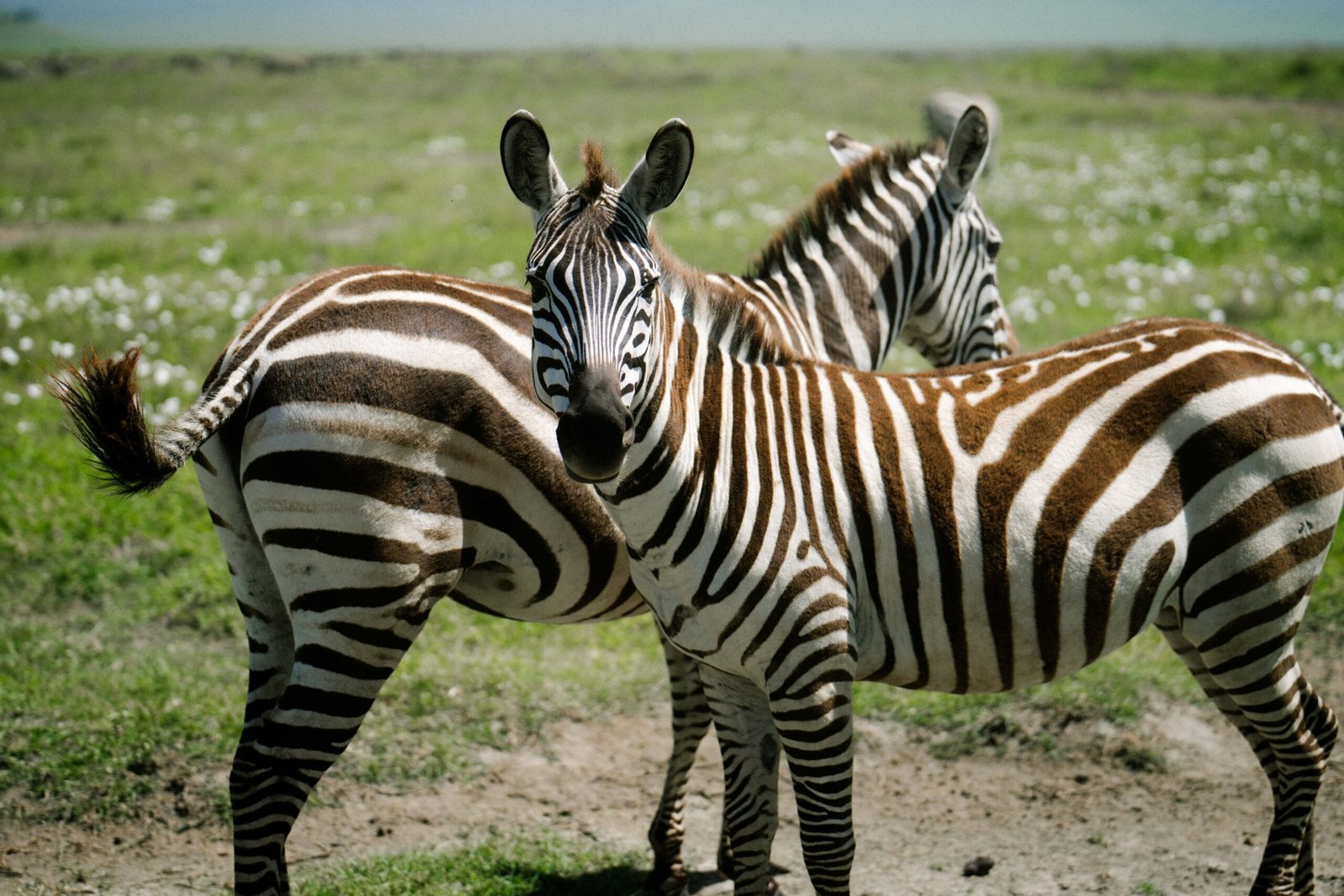
June to October is one of the most popular periods for visiting Tanzania’s northern safari circuit. Rainfall is generally limited, vegetation becomes less dense in many areas, and wildlife can become easier to locate around permanent water sources.
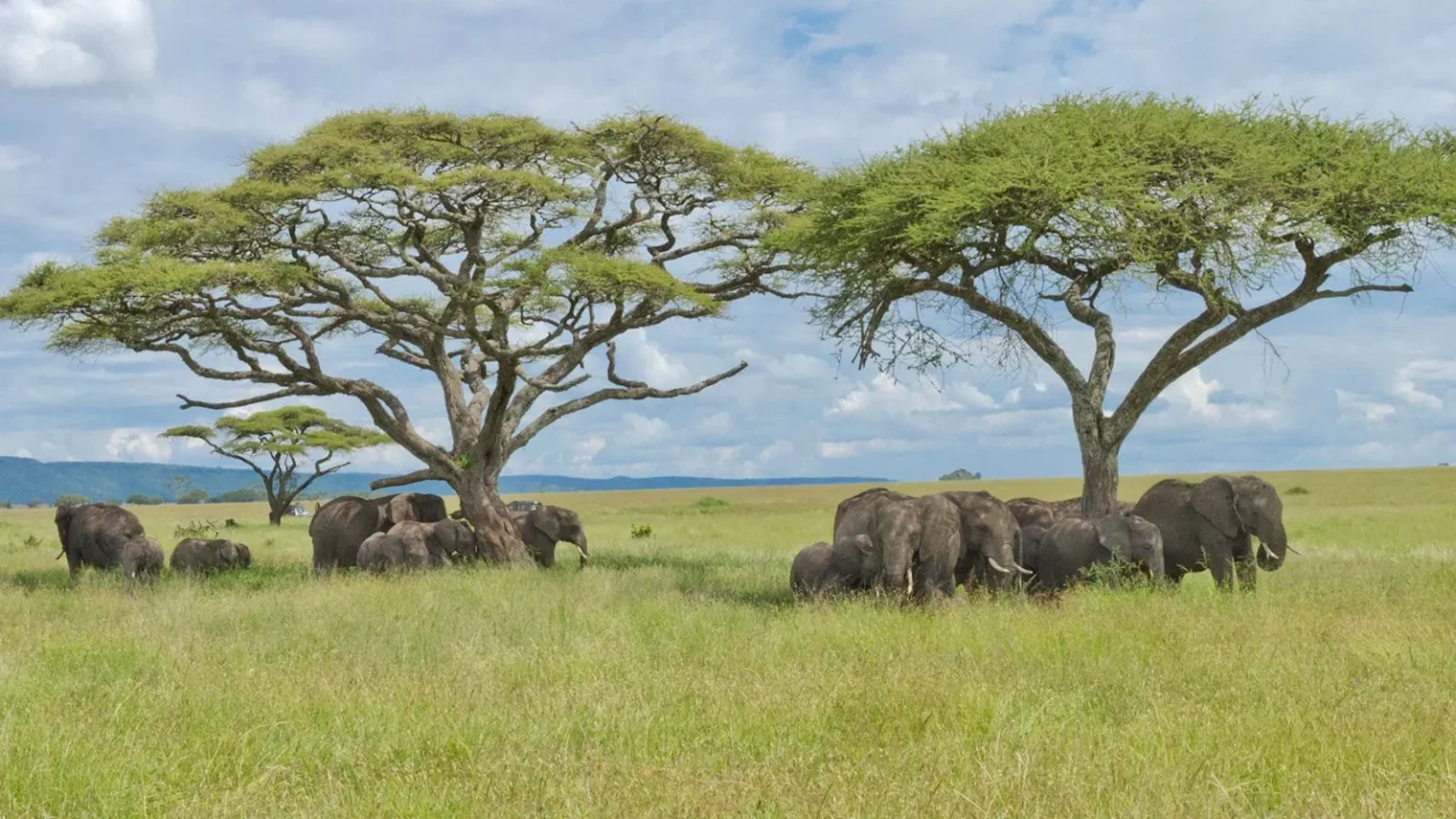
In Tarangire National Park, the Tarangire River plays an important role during the dry months. Elephants, zebras, wildebeest and other herbivores gather around available water and grazing areas. The park’s baobab trees and seasonal swamps create a distinctive landscape that differs from the open grasslands of the Serengeti.
In Serengeti National Park, the dry season provides favourable conditions for many game drives. However, the experience varies considerably between Central Serengeti, Western Serengeti and Northern Serengeti. The location of the Great Migration also changes during this period, making regional selection particularly important.
The Ngorongoro Crater is another major destination during the dry season. Its relatively compact wildlife-viewing area and permanent water sources support resident wildlife throughout the year. The crater’s grasslands, wetlands and woodland habitats offer opportunities to observe several species during a single game drive.
One practical consideration is that June to October is a popular travel period. Accommodation in sought-after areas, particularly seasonal camps in the Serengeti, may need to be arranged well in advance.
January to March: Wildebeest Calving Season in Ndutu
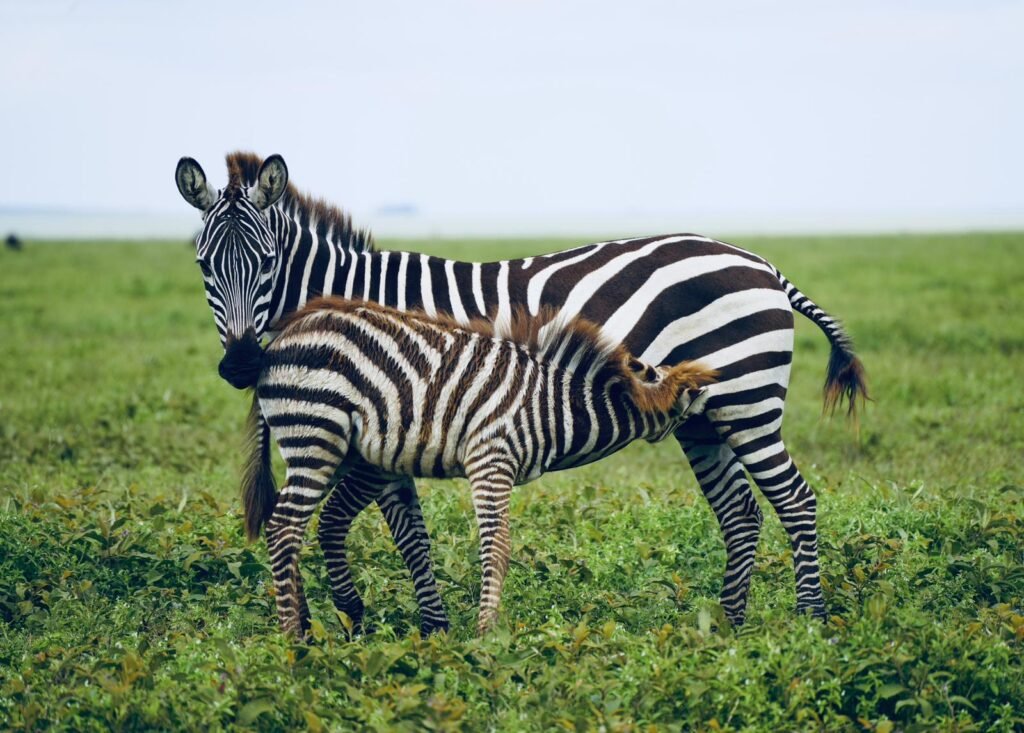
January to March is an important period for travellers interested in the southern Serengeti ecosystem, particularly the Ndutu plains. During this period, large numbers of wildebeest gather in the region to give birth, although the precise timing and distribution depend on rainfall and pasture conditions.
The calving season offers opportunities to observe wildebeest herds, newborn calves and predators such as lions, cheetahs and hyenas. Rather than focusing on river crossings, the safari experience centres on the movement of herds across open grasslands and the wildlife interactions associated with calving.
The short-grass plains of Ndutu provide nutritious grazing following seasonal rains. This attracts large herbivore populations and creates important feeding grounds for the migratory herds.
For travellers planning a safari specifically around calving, accommodation in Ndutu or the southern Serengeti can reduce unnecessary driving. Staying in Central Serengeti throughout the trip may require longer transfers to reach the main calving areas.
Rainfall can still influence road conditions during this period. A flexible itinerary and accommodation positioned near the intended wildlife-viewing area are therefore useful considerations.
July to October: Great Migration in Northern Serengeti
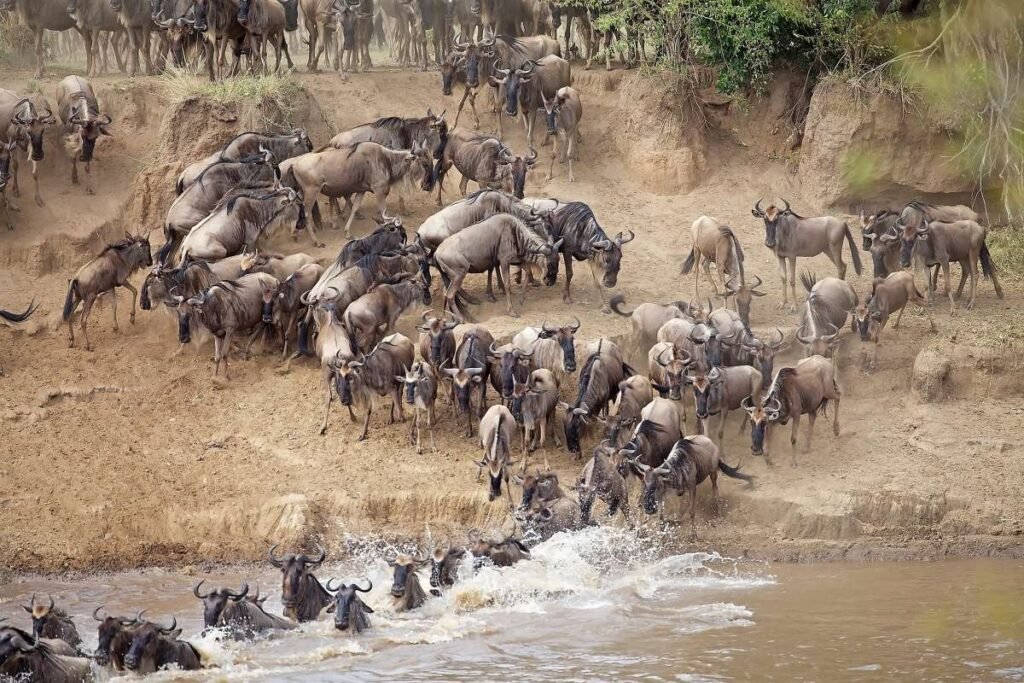
Northern Serengeti becomes particularly relevant to Great Migration safaris during the middle and later parts of the year. Large herds of wildebeest and zebra move through the region as they follow seasonal grazing opportunities.
The Mara River is associated with some of the migration’s most recognised wildlife scenes. However, river crossings are unpredictable. Herds may gather near the river for extended periods, move to different crossing points or continue along their migration route without crossing at a particular location.
A safari focused on Northern Serengeti should allow enough time in the region. Travelling long distances from Central Serengeti every day can reduce the time available for game drives, especially when the herds are concentrated in the north.
July to October is a commonly recommended period for travellers hoping to see the migration in Northern Serengeti, but no specific crossing can be guaranteed on a particular date.
November to December: Short Rains and the Beginning of the Green Season
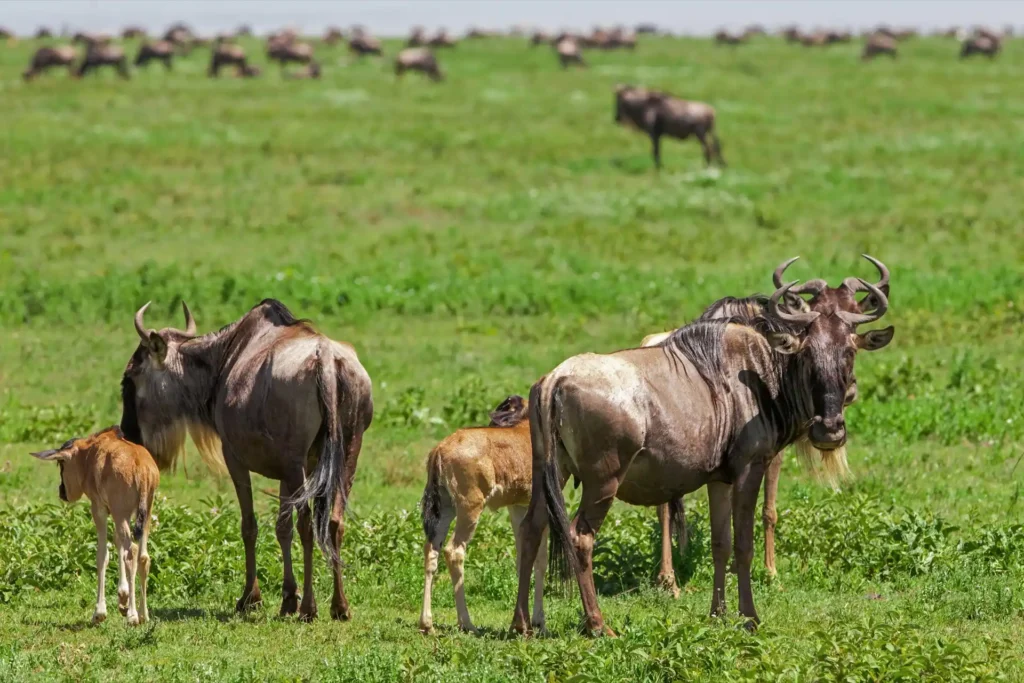
November and December mark the short-rains period in much of northern Tanzania. Rainfall is usually intermittent, although its timing and intensity vary between regions and years. The landscape begins to turn green, and migratory herds may move towards the southern Serengeti as fresh grazing becomes available.
This period can suit travellers who want to experience changing landscapes and wildlife activity without limiting their plans to the main dry season. It is also relevant to birdwatchers, as migratory bird species arrive in Tanzania during the broader November to April period.
Short rains do not necessarily mean that an entire safari will be affected by poor weather. Rain often falls in short periods, but heavy showers can affect unpaved roads and increase driving times. Accommodation location and the flexibility of daily activities remain important.
For travellers planning a Serengeti safari in November or December, the southern and central regions may be relevant depending on rainfall and the movement of the herds.
April and May: Long Rains and Safari Planning
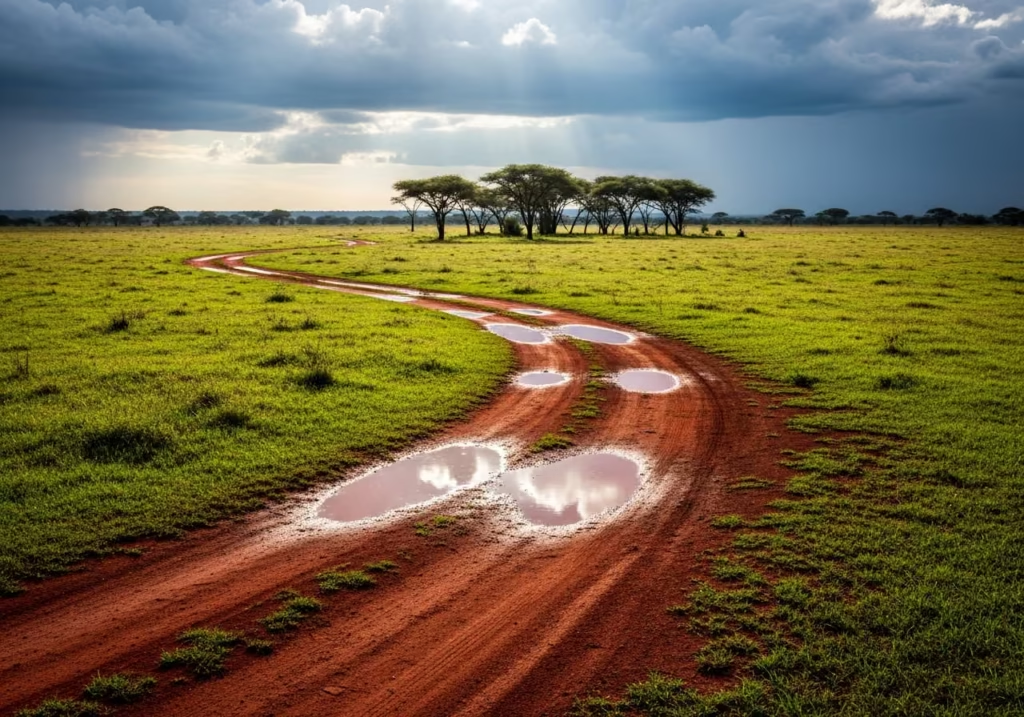
April and May are generally associated with the long rains in northern Tanzania. The grasslands become lush, seasonal water sources fill, and many areas experience fewer visitors than during the peak dry season.
These months can be attractive for travellers interested in green landscapes, photography and quieter safari environments. However, they also require careful planning. Heavy rainfall can make some roads difficult to navigate, particularly in remote parts of the Serengeti and other parks with extensive unpaved road networks.
Some seasonal camps and lodges close during part of the long-rains period, so accommodation availability needs to be checked for the exact travel dates.
For a safari during April or May, the itinerary should account for road conditions, accommodation operating dates and the possibility of changes to daily activities.
Where to Go on a Tanzania Safari
Tanzania’s safari destinations are not interchangeable. Each park has different habitats, wildlife patterns and geographical characteristics. Choosing the right combination depends on whether your priorities are the Great Migration, elephants, predators, diverse wildlife or a shorter safari with limited driving.
Serengeti National Park: The Great Migration and Year-Round Wildlife
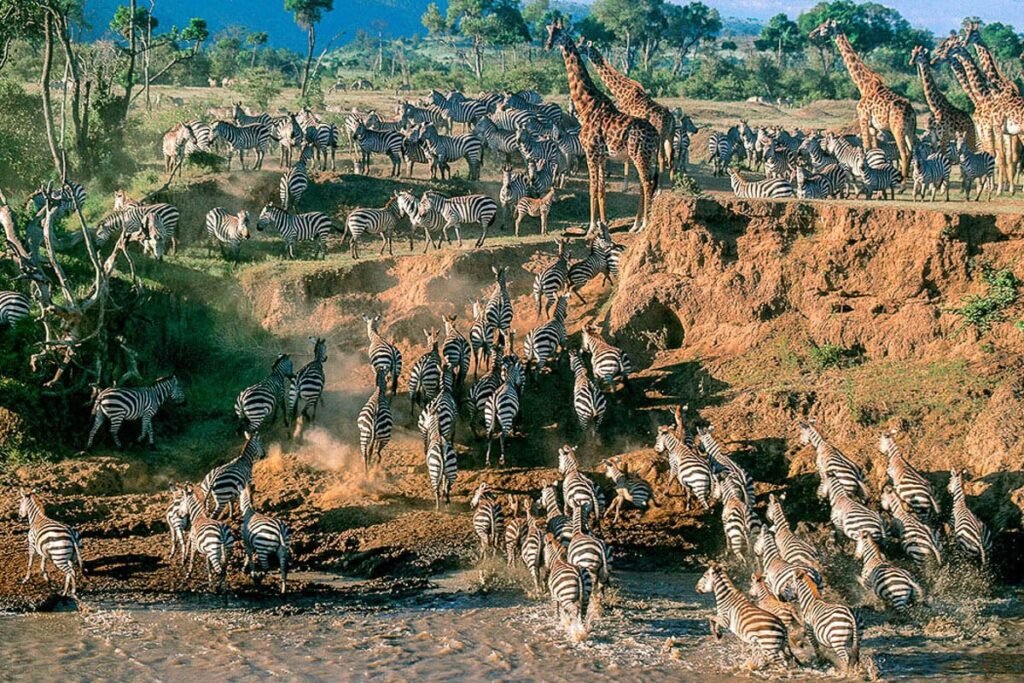
The Serengeti National Park is the central destination for many Tanzania safari itineraries. Its extensive grasslands, rocky kopjes, river systems and woodland habitats support large populations of herbivores and predators.
The park is particularly famous for the Great Migration, an annual movement of wildebeest, zebras and other grazing animals across the Serengeti-Mara ecosystem. The migration is influenced by rainfall, pasture availability and seasonal water sources.
However, choosing the right part of the Serengeti is just as important as deciding to visit the park.
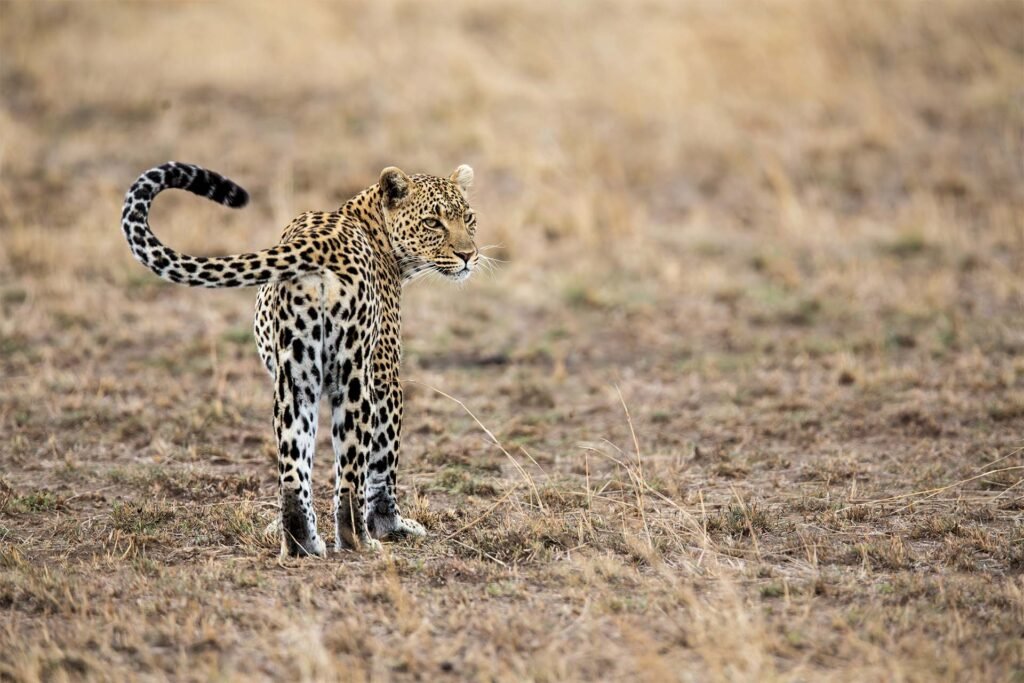
Central Serengeti, particularly the Seronera area, is known for year-round wildlife viewing. Its permanent water sources and varied habitats support resident populations of lions, leopards, elephants and other animals.
It is particularly useful for shorter safaris because its central location provides access to several wildlife-viewing areas. Travellers with three or four nights in the Serengeti may find that concentrating their accommodation in Central Serengeti reduces unnecessary transfers.
Northern Serengeti is particularly relevant during the Great Migration’s northern movement, especially from approximately July to October. The Mara River and surrounding plains attract travellers interested in observing the migration.
The north is considerably farther from Arusha and the central Serengeti than many first-time visitors expect. For this reason, a Northern Serengeti itinerary should allocate sufficient time to the region rather than treating it as a brief excursion.
Southern Serengeti and Ndutu are particularly important from approximately January to March, when migratory wildebeest gather for the calving season. The region’s short-grass plains provide suitable grazing conditions during this period.
For travellers interested in calving, staying in or near Ndutu can make a significant difference to daily driving arrangements. The best accommodation location depends on the current distribution of the herds.
Ngorongoro Crater: Concentrated Wildlife Viewing
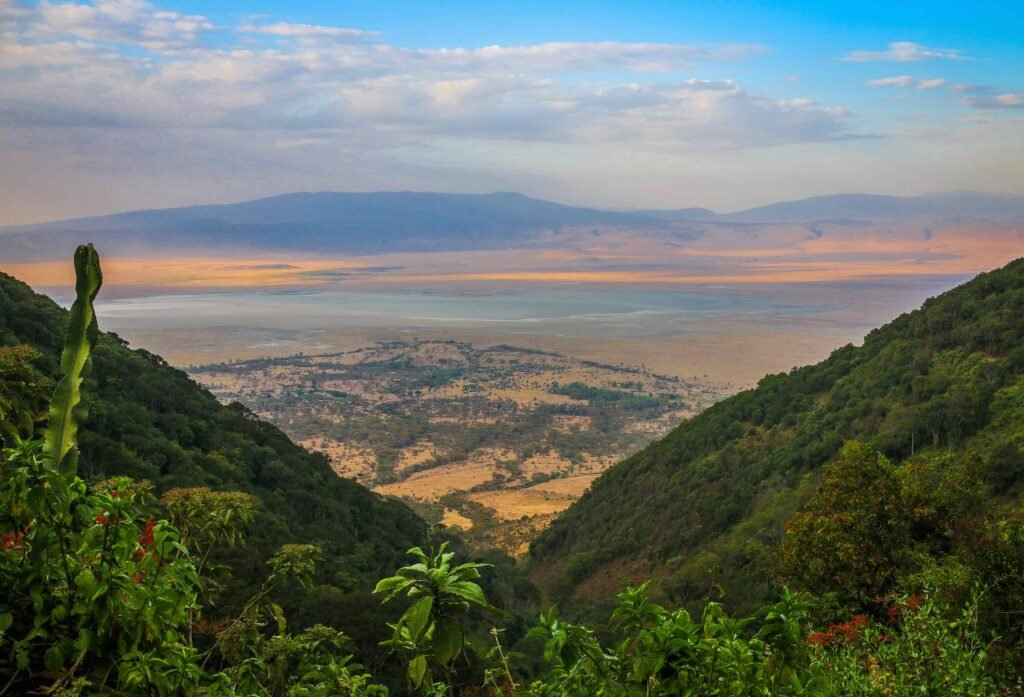
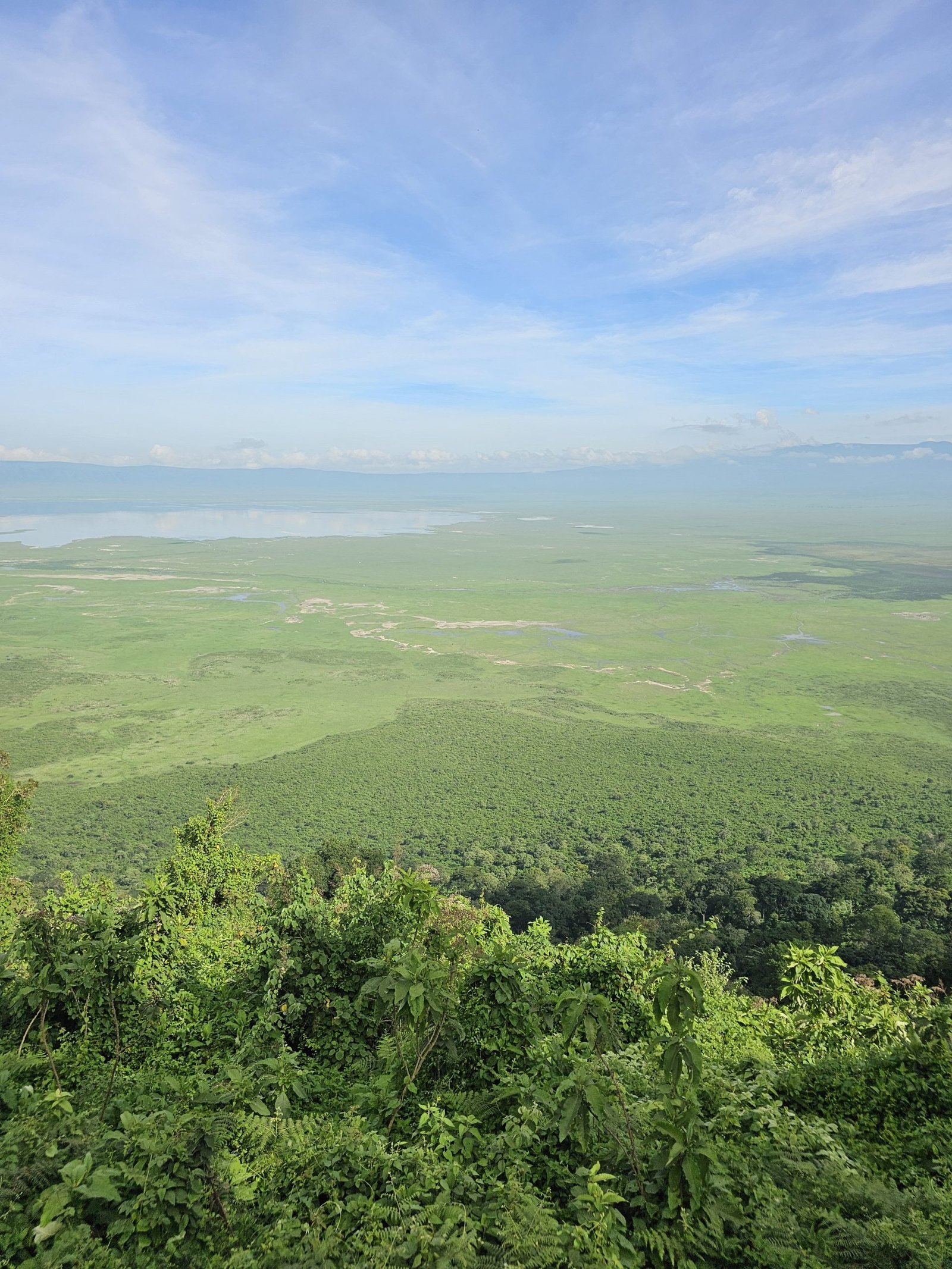
The Ngorongoro Crater is one of Tanzania’s most distinctive safari destinations. It is a large volcanic caldera with a diverse ecosystem that includes grasslands, wetlands, freshwater areas and woodland.
Its relatively enclosed geography supports resident wildlife, including lions, elephants, buffaloes, zebras and wildebeest. Black rhinos also inhabit the crater, although sightings are never guaranteed.
Unlike the Serengeti, where wildlife viewing often involves covering extensive plains, a crater safari focuses on a more compact area. This makes it particularly suitable for travellers with limited time who want to explore a variety of habitats during a single game drive.
A typical crater excursion involves descending to the crater floor in the morning and spending several hours exploring designated game-viewing routes. Access, permitted hours and applicable conservation regulations should be considered when arranging the day’s schedule.
The crater can also be combined with a Serengeti safari, creating a contrast between open savanna and a volcanic landscape.
Tarangire National Park: Elephants, Baobabs and Seasonal Wildlife
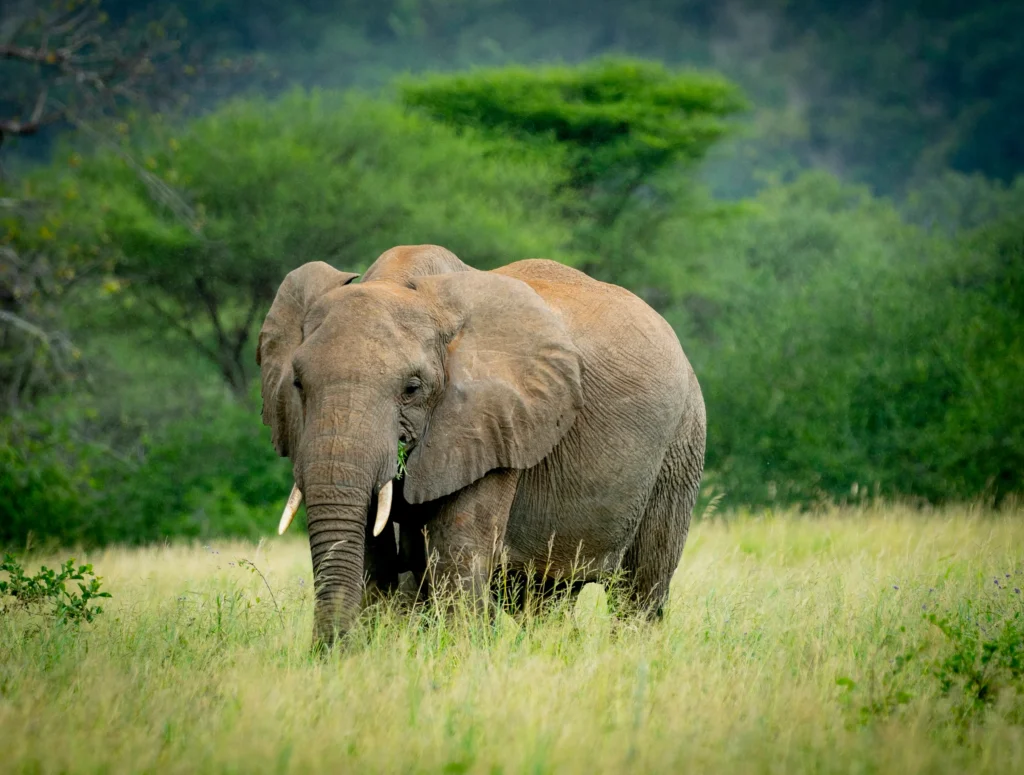
Tarangire National Park is particularly known for its elephants, large baobab trees and seasonal wildlife concentrations.
The Tarangire River is a major water source during the dry season. As seasonal water sources disappear from surrounding areas, wildlife may concentrate around the river and the park’s remaining water sources.
Elephants are among the park’s most recognisable animals, while giraffes, zebras, buffaloes, wildebeest and various antelope species contribute to its wildlife diversity. Tarangire also supports a wide range of bird species.
The park is particularly convenient for itineraries beginning or ending in Arusha. It can be combined with Lake Manyara and Ngorongoro, or included as the first destination on a longer Northern Circuit safari.
Its seasonal character is worth considering when choosing travel dates. Dry-season visits can offer opportunities to observe concentrated wildlife, while the green season provides different landscapes and birdwatching opportunities.
Lake Manyara National Park: Forest, Lake and Diverse Habitats
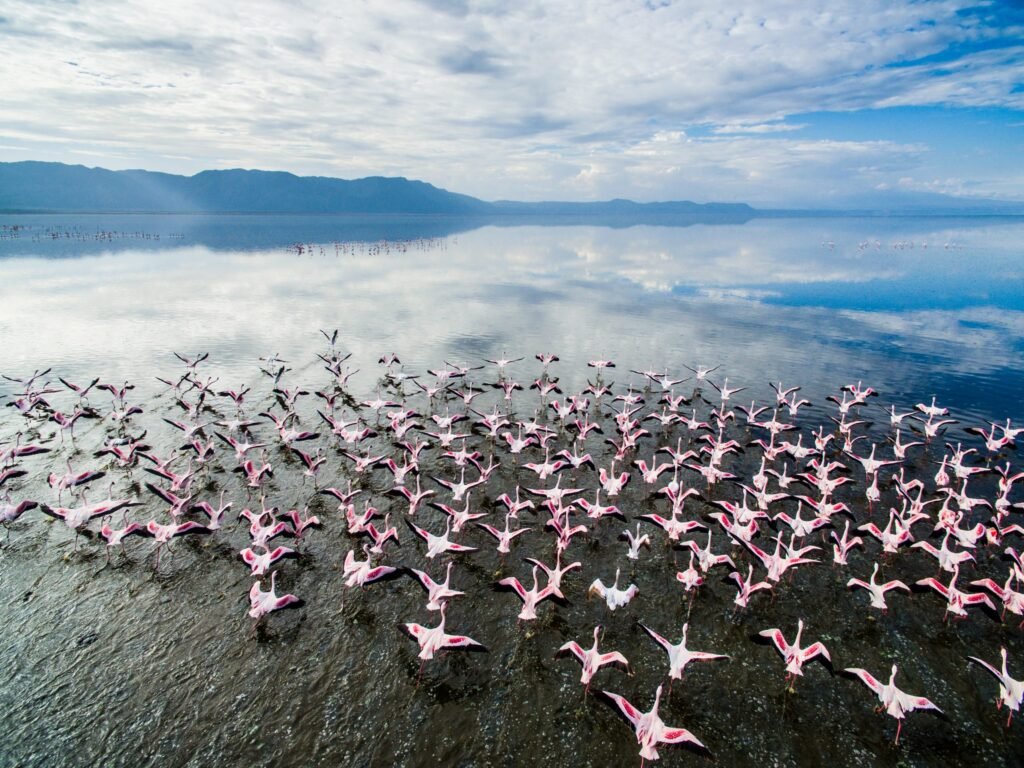
Lake Manyara National Park offers a different landscape from the open grasslands of the Serengeti. Its habitats include groundwater forests, acacia woodland, open plains and the alkaline lake.
The park is known for elephants, baboons, giraffes, hippos and diverse birdlife. It is also associated with tree-climbing lions, although this behaviour is not guaranteed to be observed during a visit.
Lake Manyara is relatively accessible from Arusha and Karatu, making it a practical addition to some shorter safari itineraries. However, its suitability depends on the traveler’s priorities and the amount of time available.
For visitors primarily interested in the Great Migration, spending more time in the Serengeti may be a more relevant choice than including several shorter stops.
Nyerere National Park: Remote Wilderness and Boat Safaris
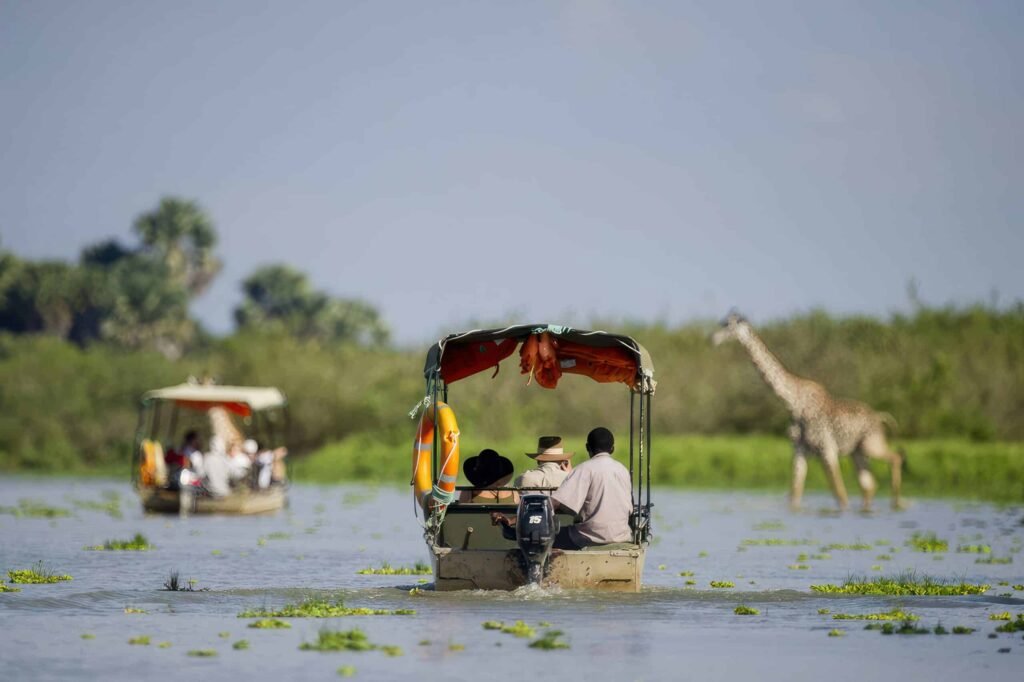
Nyerere National Park is located in southern Tanzania and offers a different style of safari from the northern circuit.
The park’s extensive wilderness includes river systems, woodland and open grasslands. The Rufiji River is particularly important to the area’s ecology and supports opportunities for boat-based wildlife viewing in designated areas.
Visitors can experience conventional game drives and, where available, guided boat excursions. The southern circuit is particularly relevant to travellers seeking a more remote safari experience or planning a longer stay in Tanzania.
Because of its location, Nyerere is often more practical to visit by air from Dar es Salaam or other connected destinations than by road from Arusha. Its logistics should be considered before combining it with northern Tanzania.
Ruaha National Park: A Vast and Less Visited Safari Destination
Ruaha National Park is one of Tanzania’s major southern safari destinations. Its extensive landscapes include baobab woodlands, rocky hills, seasonal rivers and open savanna.
The Great Ruaha River and other water sources influence wildlife distribution, particularly during the dry season. The park supports elephants, lions, leopards, buffaloes, giraffes and several antelope species.
Ruaha is suitable for travellers interested in extensive wilderness areas and longer game drives. However, distances within the park and its remote location mean that a visit generally requires more careful logistical planning than a short safari near Arusha.
It can be combined with Nyerere in a longer southern Tanzania itinerary, often using domestic flights to reduce long road transfers.
How to Choose the Right Tanzania Safari Itinerary
The number of days available should determine how many destinations you include. Travelling between parks takes time, and an itinerary that looks convenient on a map may involve several hours of driving.
2 to 3 days: Short Northern Tanzania Safari
Focus on Tarangire and Ngorongoro, or choose one destination for a more relaxed experience. A short safari is suitable for travellers with limited time in Arusha.
4 to 5 days: Northern Tanzania Wildlife Safari
Combine Tarangire, Ngorongoro and Serengeti, allowing enough time for game drives. The exact route should depend on the selected Serengeti region and accommodation.
6 to 7 days: Extended Tanzania Safari
Allocate more time to Serengeti and combine it with Ngorongoro and Tarangire. This duration allows greater flexibility in choosing wildlife-viewing areas.
8 days or more: Extended Tanzania Safari
Consider combining northern Tanzania’s major parks or exploring the southern circuit, including Nyerere and Ruaha. Domestic flights may help reduce transfer times.
These durations are planning guidelines rather than fixed itineraries. Flight schedules, accommodation locations, park access and the starting point can all change the most practical route.
How to Pack for a Tanzania Safari
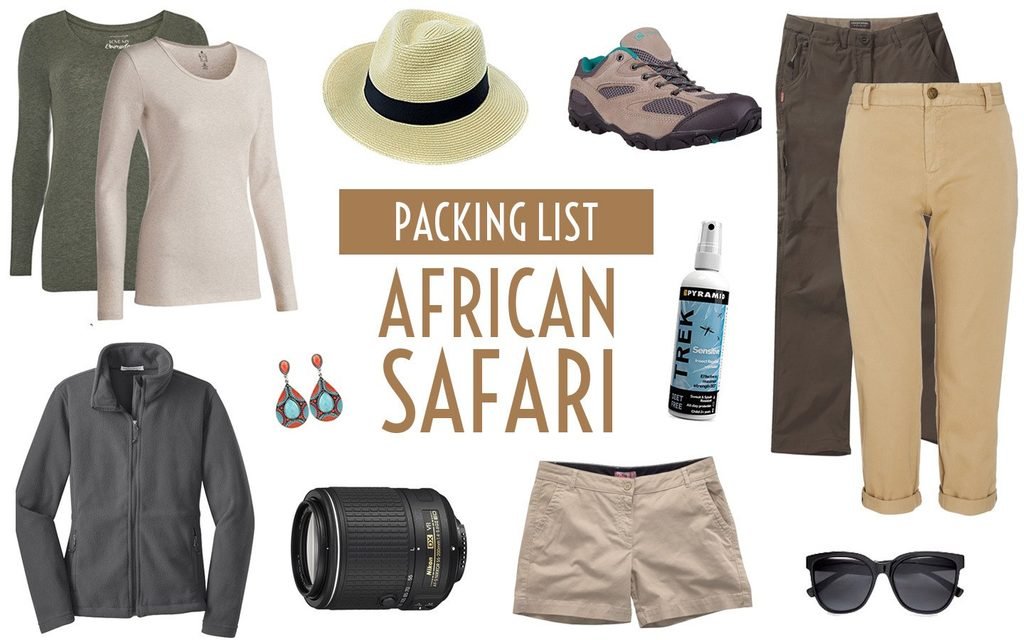
Packing for Tanzania depends on the parks you visit, the season and whether your itinerary includes domestic flights, walking activities or a Zanzibar beach holiday. A safari in the dry northern circuit requires different preparation from a trip during the long rains or a gorilla trekking excursion in another country.
Safari Clothing for Tanzania’s Climate
Lightweight, breathable clothing is suitable for most daytime game drives. Neutral colours such as khaki, olive, beige and brown are practical for safari activities.
Pack the following:
- Lightweight shirts and comfortable trousers for daytime game drives.
- Long-sleeved clothing for sun protection and protection against insects.
- A warm fleece or jacket for cold early mornings and evenings.
- A lightweight waterproof jacket for unexpected rainfall.
- Comfortable closed shoes for lodge grounds and general activities.
- A wide-brimmed hat and sunglasses for sun protection.
Temperatures can vary considerably between destinations. Arusha and the Ngorongoro highlands can be cool, particularly during June, July and August. By contrast, lower-altitude areas of the Serengeti and Tarangire can become warm during the day.
For this reason, wearing layers is more practical than packing heavy clothing for the entire trip.
What to Pack for Serengeti Game Drives
Game drives in the Serengeti can begin early in the morning and continue for several hours. Carrying a small day bag with essential items helps keep everything accessible during the drive.
Consider bringing:
- Binoculars for observing wildlife at a distance.
- A camera or smartphone for photography.
- Spare camera batteries and memory cards.
- Sunscreen and sunglasses.
- A reusable water bottle.
- A small bag for personal essentials.
- A light jacket for early-morning drives.
Dust can be particularly noticeable during the dry season. A protective camera bag and a suitable cover for electronic equipment can help prevent dust from interfering with your equipment.
Packing for Ngorongoro and the Highlands
Ngorongoro’s higher elevation can produce cooler conditions than those experienced in many other safari areas. Early mornings and evenings can be particularly chilly, even when daytime temperatures are comfortable.
A fleece, light jacket and comfortable trousers are useful additions to your luggage. If your itinerary includes walking around your lodge or visiting nearby highland areas, suitable closed footwear is also advisable.
Travellers descending into the crater should carry sunscreen, water and a light jacket for the early start. Weather conditions can change during the day.
Packing for Tanzania’s Green Season
For travel during the rainy season, prioritise lightweight rain protection and practical footwear.
A waterproof jacket, quick-drying clothing and a protective bag for electronics are useful. Avoid relying exclusively on heavy cotton clothing, which can take longer to dry after getting wet.
Road conditions can change after heavy rainfall, particularly in remote parks. Packing appropriate clothing helps, but your itinerary should also allow flexibility when weather affects access.
Luggage Restrictions on Tanzania Safari Flights
Travellers flying between Arusha, Serengeti airstrips, Nyerere and Ruaha should check the baggage restrictions for every flight.
Many small aircraft operating safari routes have strict luggage allowances and may require soft-sided bags. The permitted weight varies by airline and aircraft, and some operators include hand luggage in the total allowance.
Before departure, confirm the permitted weight, bag dimensions and any restrictions on camera equipment or batteries. If your itinerary combines a safari with Zanzibar, arranging appropriate luggage storage or transfers may also be worth considering.
Common Mistakes to Avoid When Planning a Tanzania Safari
Several mistakes can affect the quality and practicality of a Tanzania safari, particularly when travelling between distant national parks.
Choosing the Serengeti without considering its regions: The Serengeti is enormous. Staying in Central Serengeti while expecting to observe Northern Serengeti’s migration activity can result in unnecessary driving. Choose accommodation according to the intended wildlife experience and travel dates.
Combining too many parks in a short itinerary: Including Tarangire, Lake Manyara, Ngorongoro and Serengeti in a very short trip can leave insufficient time for game drives. Prioritise destinations rather than trying to cover the entire Northern Circuit.
Ignoring driving distances: Travel times between parks can be substantial. Road conditions, stops and wildlife-viewing opportunities can make journeys longer than expected. Allow sufficient time for transfers.
Assuming wildlife sightings are guaranteed: Lions, leopards, rhinos and migration river crossings are natural wildlife experiences. Their occurrence cannot be guaranteed on a particular day or at a particular location.
Selecting accommodation without checking its location: A lodge’s position relative to the intended game-viewing area can influence daily driving time. Compare accommodation based on location as well as price and facilities.
Packing without checking the itinerary: A vehicle-based safari, a walking activity and a domestic flight have different requirements. Check the activities and baggage allowances before deciding what to bring.
Plan Your Tanzania Safari with FIF Tours & Travel
A successful Tanzania safari begins with an itinerary that matches your travel dates, preferred wildlife experiences and available time. Selecting the right parks, positioning accommodation appropriately and allowing realistic transfer times can make a substantial difference to the trip.
FIF Tours & Travel offers Tanzania safari arrangements covering destinations such as Serengeti National Park, Ngorongoro Crater and Tarangire National Park, alongside other travel experiences across Tanzania.
Whether you are planning a short Northern Circuit safari, an extended Great Migration adventure or a wildlife safari combined with Zanzibar, your itinerary should reflect the experience you want rather than simply the number of destinations you can visit.
Start planning your Tanzania safari with FIF Tours & Travel.
Frequently Asked Questions About Tanzania Safaris
-
What is the best month to visit Tanzania for a safari?
The best month depends on your preferred experience. June to October is popular for dry-season wildlife viewing in northern Tanzania. January to March is particularly relevant to the wildebeest calving season in Ndutu and the southern Serengeti. For Northern Serengeti’s migration activity, July to October is a commonly selected period, although river crossings remain unpredictable.
-
How many days are enough for a Tanzania safari?
Three days can accommodate a short safari focused on nearby northern parks. Five to seven days provide more time to explore the Serengeti, Ngorongoro and Tarangire. Travellers interested in the Great Migration or the southern safari circuit may benefit from a longer itinerary.
-
Which Tanzania national parks should I visit on my first safari?
The Northern Circuit is a common starting point because it offers several contrasting wildlife destinations. Tarangire is known for elephants and baobabs, Ngorongoro for its crater ecosystem, and Serengeti for its extensive plains and Great Migration. The choice of parks should reflect your available time and travel interests.
-
Is Tanzania suitable for a safari during the rainy season?
Yes. Tanzania can be visited during both wet and dry seasons. The rainy season offers green landscapes and seasonal wildlife experiences, but heavy rainfall can affect road conditions and access to certain areas. Check accommodation availability and local conditions before confirming your itinerary.
-
What clothes should I wear on a Tanzania safari?
Wear comfortable, breathable clothing in neutral colours. Pack long-sleeved shirts, trousers, a warm jacket for early mornings, comfortable shoes and a waterproof layer when travelling during the rainy season. The exact clothing requirements depend on your destinations and activities.
-
Can I combine a Tanzania safari with Zanzibar?
Yes. Zanzibar can be combined with a Tanzania mainland safari. Travellers commonly fly between Zanzibar and safari destinations or use connections through Arusha or Dar es Salaam, depending on the itinerary. Allow sufficient time for domestic flights and transfers when arranging the trip.
-
Is a private Tanzania safari worth considering?
A private safari provides a dedicated vehicle and guide for your travel party. It offers greater flexibility over daily departure times, wildlife-viewing stops and the pace of the itinerary. The cost is generally higher than a shared safari, but the additional flexibility may be useful for families, photographers and travellers with specific interests.