
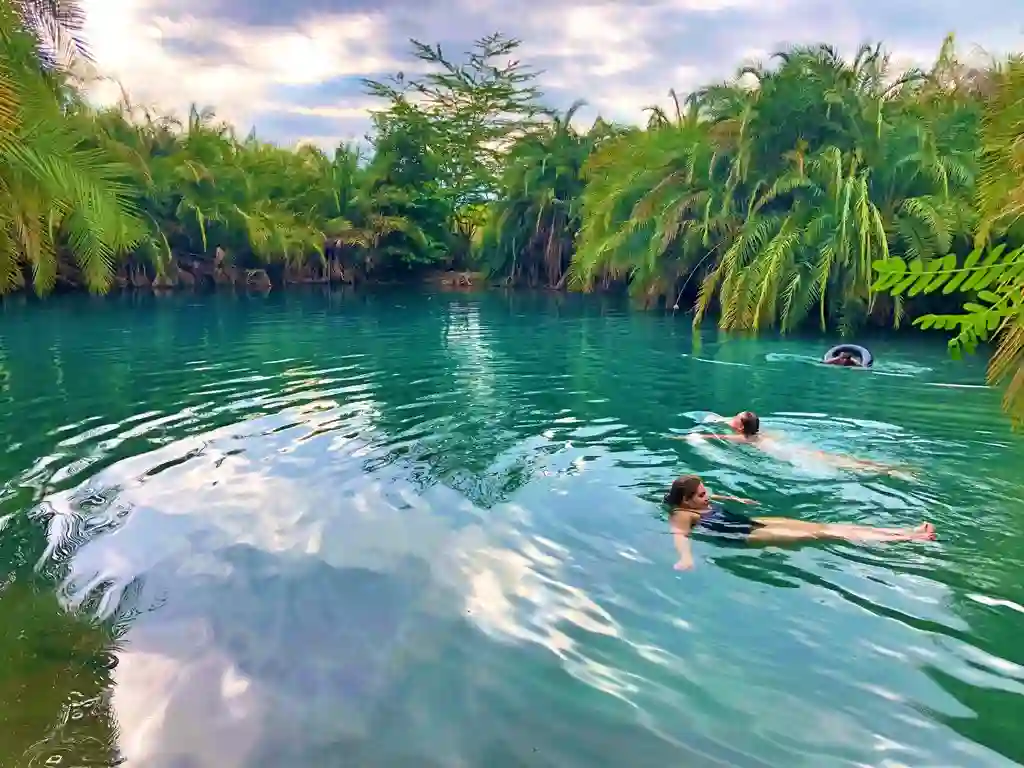


If you’re visiting Tanzania for the first time, you’re probably thinking about lions, elephants, the Serengeti, and Zanzibar’s white sandy beaches. While those iconic attractions deserve their reputation, there are many experiences that travelers only discover after they arrive.
Tanzania isn’t simply a destination where you tick animals off a checklist. It’s a country that surprises you every day—from the people you meet to the rhythm of nature and the unforgettable moments that no brochure can fully explain.
Before packing your bags, here are 9 things nobody tells you about visiting Tanzania, but every traveler should know.
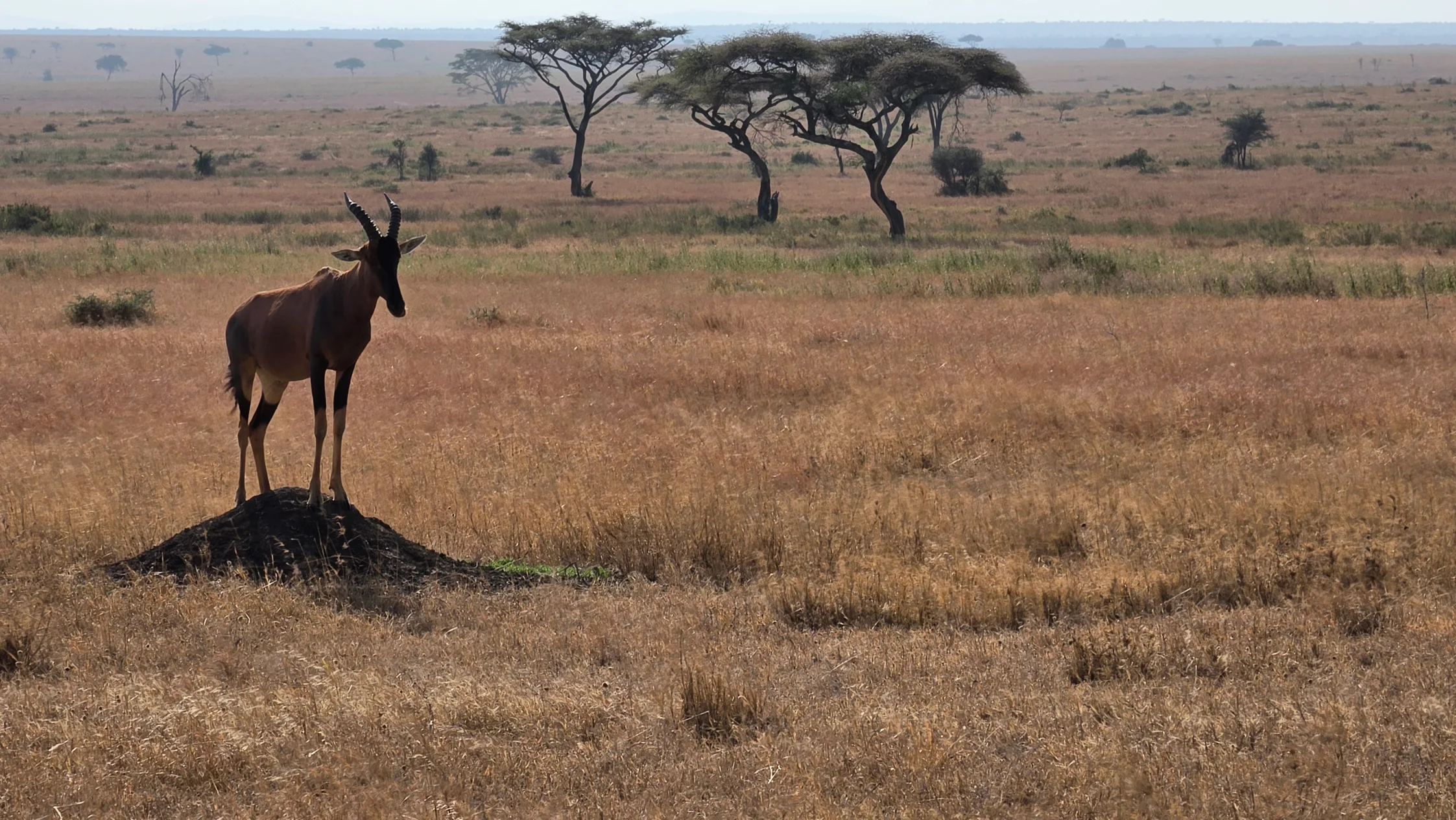
Your Safari Guide Is Worth More Than Your Camera
Most people invest thousands of dollars in cameras and lenses before coming to Tanzania. While great equipment certainly helps, your safari guide is your greatest asset.
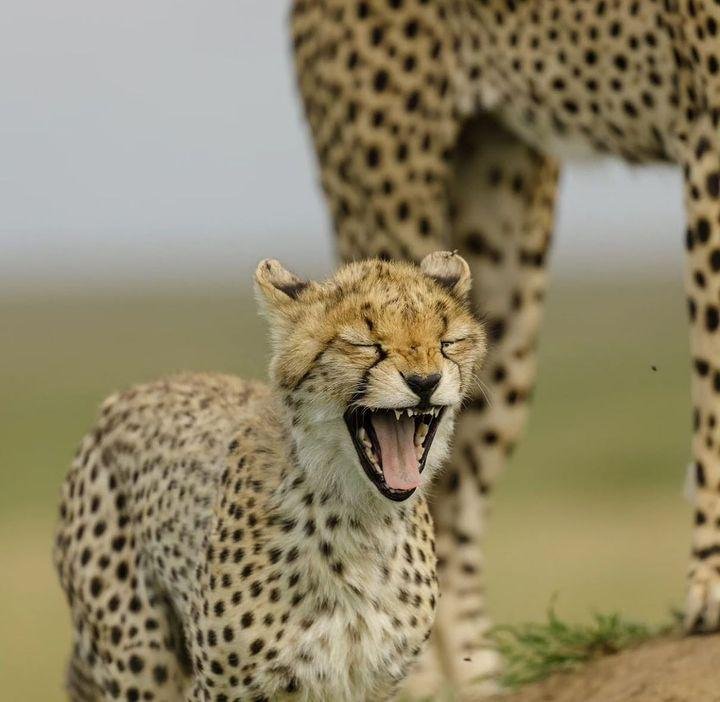
An experienced guide can spot a leopard sleeping in a tree from hundreds of meters away. They’ll recognize bird calls, fresh lion tracks, and understand animal behavior long before you notice anything unusual.
Many visitors return home saying the guide made the entire safari unforgettable not the camera.
A knowledgeable guide transforms an ordinary game drive into a fascinating wildlife story.
If Africa had a crown, Ngorongoro Crater would be its most precious jewel.
Unkown
The Dry Season Isn’t Always Better
Many travel websites claim that June to October is the only time to visit Tanzania.
That’s only part of the story.
While the dry season offers easier wildlife viewing because animals gather around water sources, the green season has advantages that many travelers overlook.
During the rainy months you’ll often enjoy:
- Fewer safari vehicles
- Greener landscapes
- Excellent birdwatching
- Better accommodation prices
- Beautiful photography with dramatic skies
Depending on your interests, the “best” season might not actually be the dry season.
The Great Wildebeest Migration Has a Secret Timing Window
Thousands of travelers believe the migration stays in one location throughout the year.
It doesn’t.
More than two million wildebeest constantly move across the Serengeti ecosystem following fresh grass and rainfall.
A delay of just a few weeks can completely change where the herds are located.
This is why choosing your travel dates carefully and working with an experienced safari company is far more important than simply booking a safari during the “migration season.”
Timing truly matters.
A One-Day Safari Is Never Enough
Many travelers add a one-day safari while spending most of their holiday in Zanzibar.
Almost everyone says the same thing afterward:
“I wish I had booked more days.”
Wildlife doesn’t follow schedules.
One day may be enough to see elephants and giraffes, but spending three to five days gives you a much greater chance of witnessing predator action, different ecosystems, breathtaking sunsets, and unforgettable wildlife encounters.
The longer you stay, the more Tanzania reveals itself.
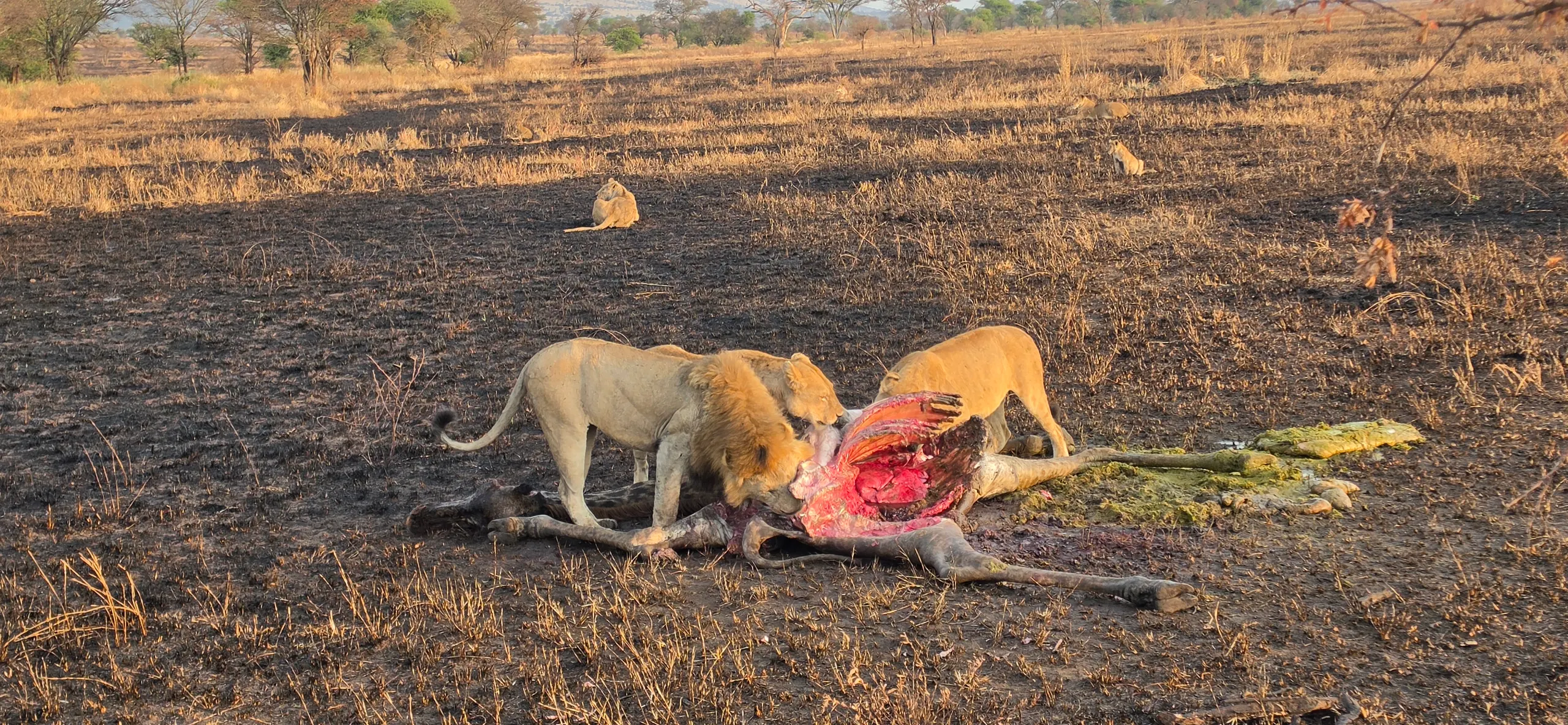
Learning Five Words of Swahili Changes Everything
You don’t need to become fluent in Swahili.
Learning just a few simple words instantly creates genuine connections with local people.
Here are five useful phrases:
- Jambo — Hello
- Asante — Thank you
- Karibu — Welcome
- Tafadhali — Please
- Hakuna Matata — No worries
You’ll notice more smiles, warmer conversations, and a stronger cultural experience.
Sometimes these small efforts create the biggest memories.
Malaria Prevention Is Non-Negotiable
Before visiting Tanzania, speak with your healthcare provider about malaria prevention.
While millions of tourists safely visit Tanzania every year, taking proper precautions is an important part of responsible travel.
Recommended precautions include:
- Taking prescribed malaria medication if advised
- Wearing long sleeves during the evening
- Using insect repellent
- Sleeping under mosquito nets where provided
These simple steps allow you to enjoy your safari with greater peace of mind.
Tanzania Has Seven UNESCO World Heritage Sites
Many visitors know about Serengeti National Park but are surprised to learn that Tanzania is home to seven UNESCO World Heritage Sites.
These include:
- Serengeti National Park
- Ngorongoro Conservation Area
- Kilimanjaro National Park
- Stone Town of Zanzibar
- Selous Game Reserve (part of Nyerere National Park)
- Kondoa Rock-Art Sites
- Ruins of Kilwa Kisiwani and Songo Mnara
Together, they showcase Tanzania’s extraordinary natural beauty, wildlife, archaeology, and cultural heritage.
Few countries offer such diversity in one destination
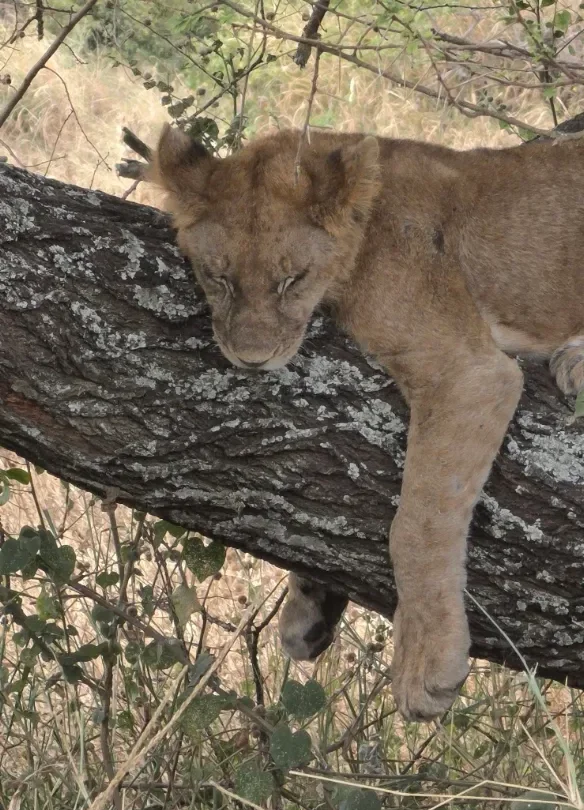
Safari Days Start Earlier Than You Expect
Forget sleeping in.
Some of the best wildlife sightings happen just after sunrise.
Many safari mornings begin before 6:00 AM because predators are still active and temperatures remain cool.
The early wake-up calls might feel challenging at first, but watching the African sunrise while hearing lions roar in the distance quickly makes it worthwhile.
Those quiet morning hours often become the highlight of the entire safari.
Tanzania Is More Than Wildlife
Yes, Tanzania has world-famous national parks.
But there’s much more beyond the safari.
You can:
- Climb Mount Kilimanjaro.
- Relax on Zanzibar’s beaches.
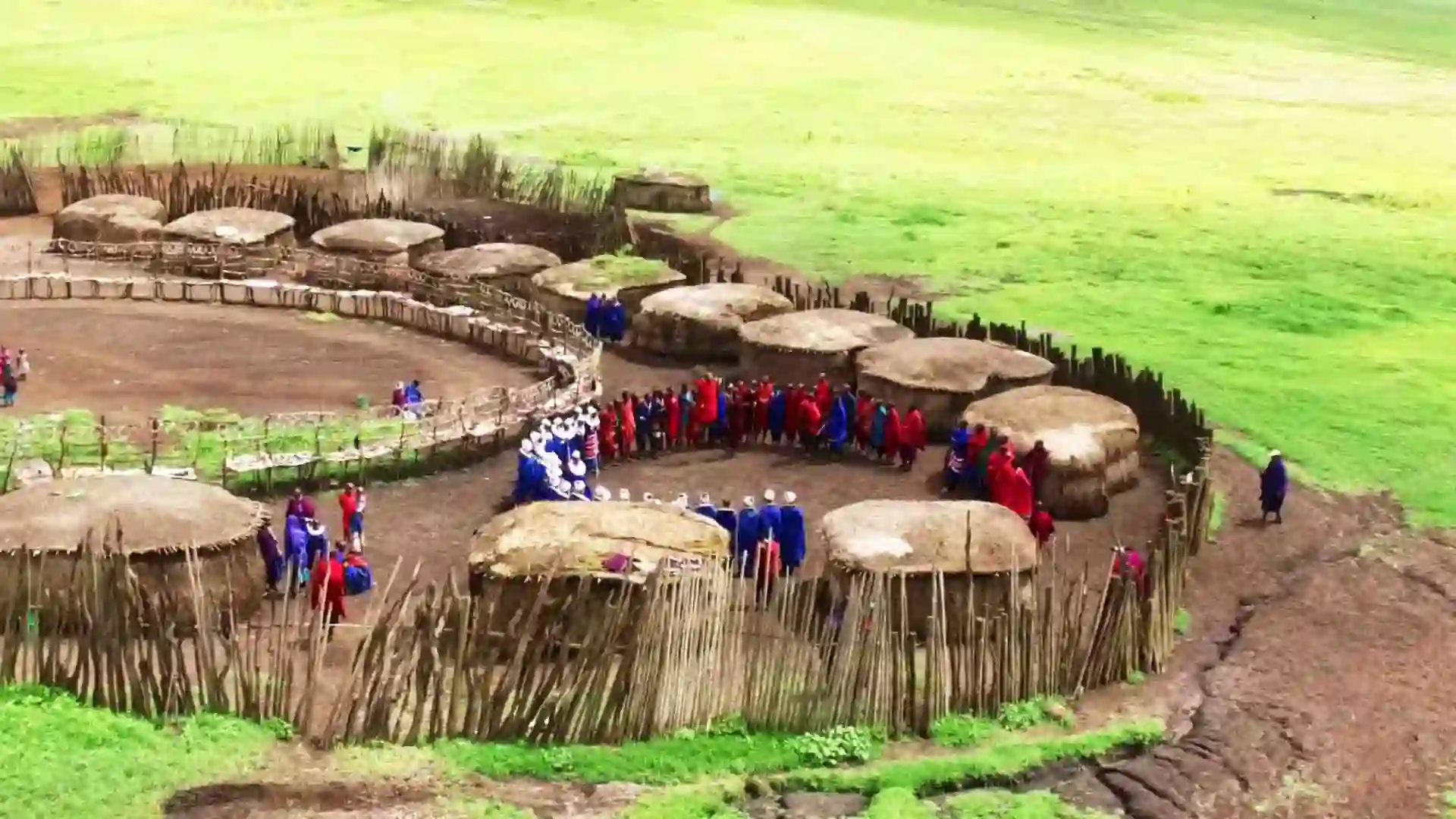
- Visit Maasai communities.
- Meet the Hadzabe hunter-gatherers.
- Explore coffee farms near Arusha.
- Discover local markets.
- Experience authentic Tanzanian cuisine.
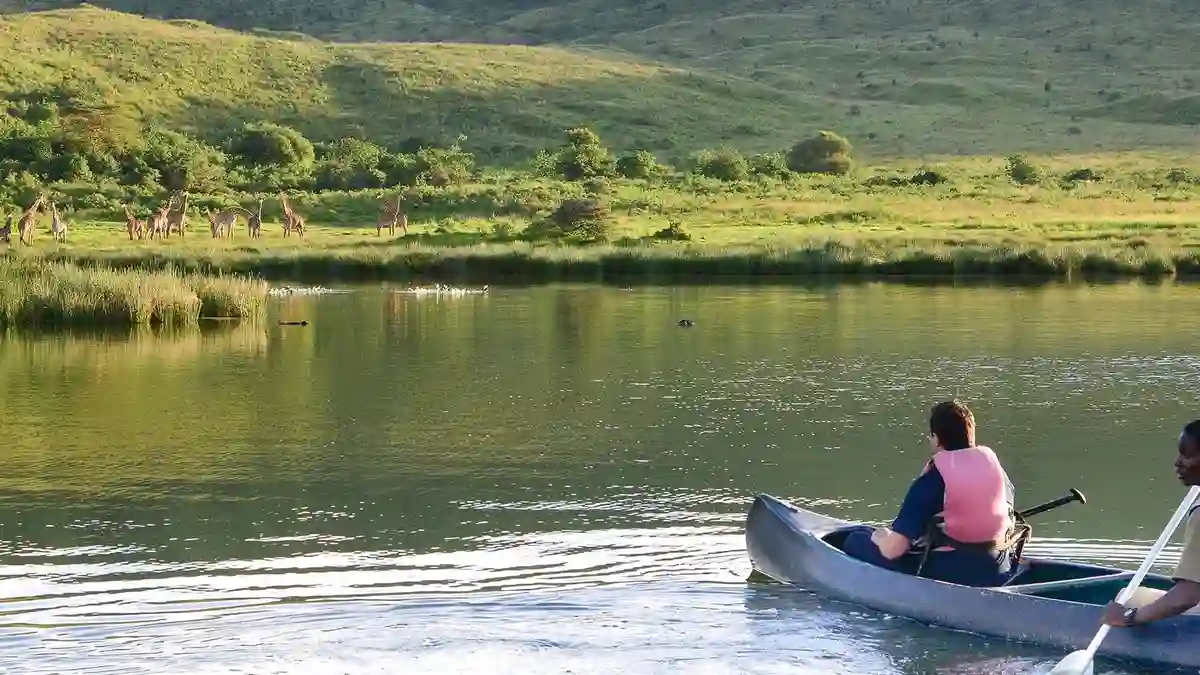
Every region offers a completely different experience, making Tanzania one of Africa’s most diverse travel destinations.
Why Visiting Tanzania Leaves a Lasting Impression
The beauty of visiting Tanzania isn’t just found in the wildlife.
It’s found in the silence of the savannah at sunrise.
It’s found in conversations with local people.
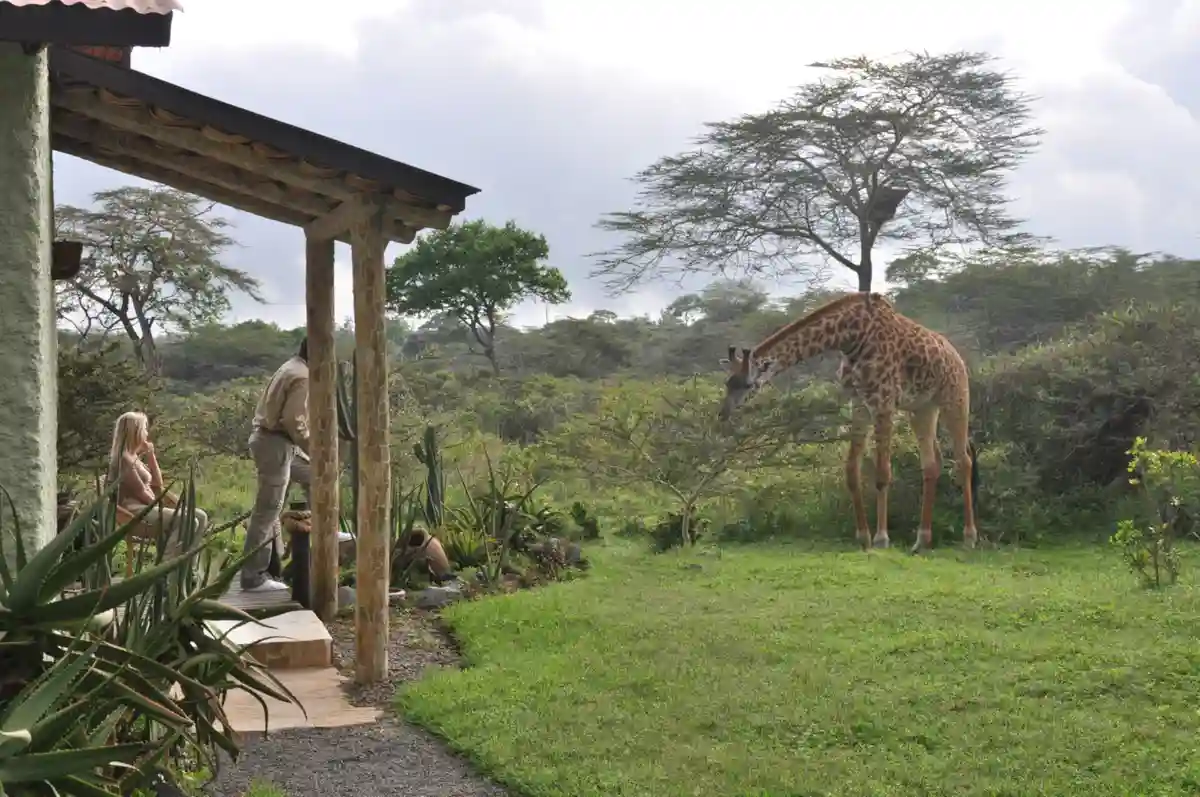
It’s found in watching elephants walk past your safari vehicle, hearing hyenas call at night, and seeing millions of stars above your campsite.
These are the moments that remain long after your trip ends.
Unlike many destinations, Tanzania doesn’t simply entertain visitors—it changes the way they see nature, adventure, and even themselves.
Final Thoughts
If you’re planning on visiting Tanzania, prepare for much more than incredible wildlife photographs.
Come with an open mind, trust your guide, learn a few words of Swahili, allow enough time for your safari, and remember that every season offers something unique.
Most importantly, don’t think of Tanzania as just another destination on your bucket list.
It’s an experience that stays with you for the rest of your life.