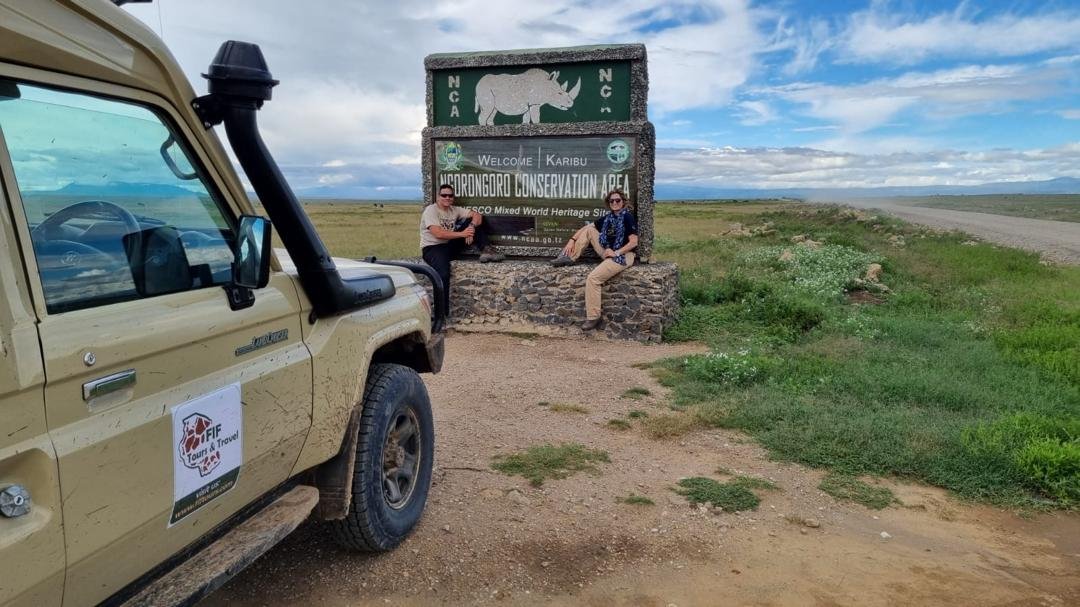
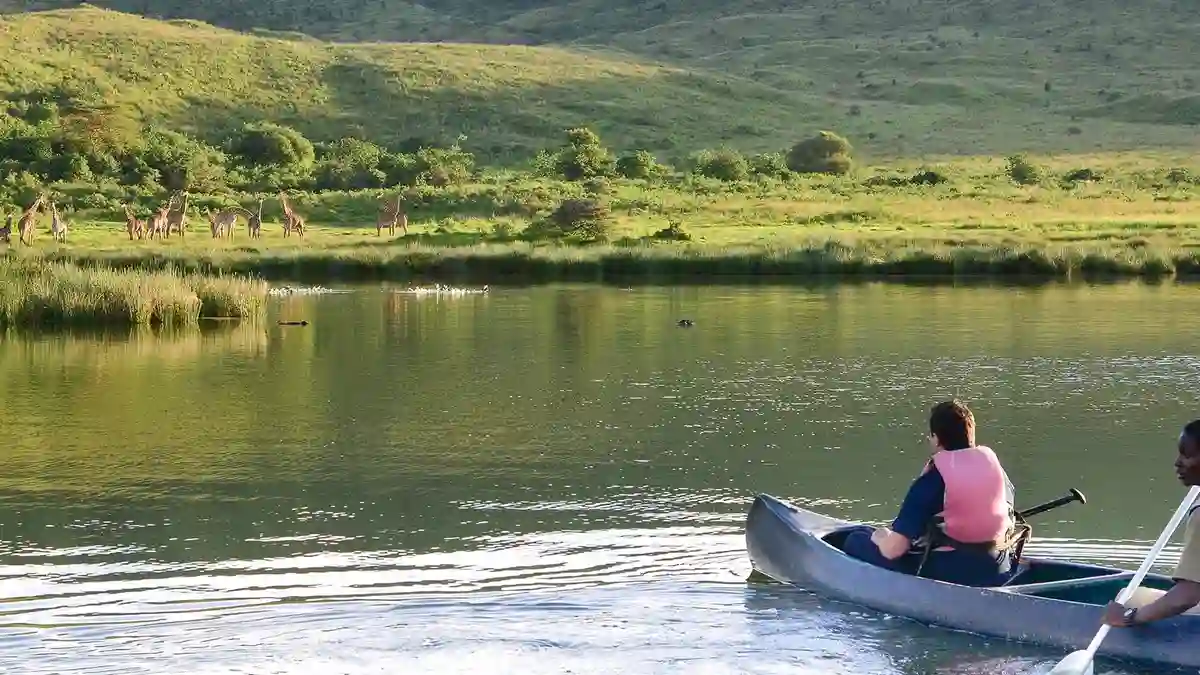
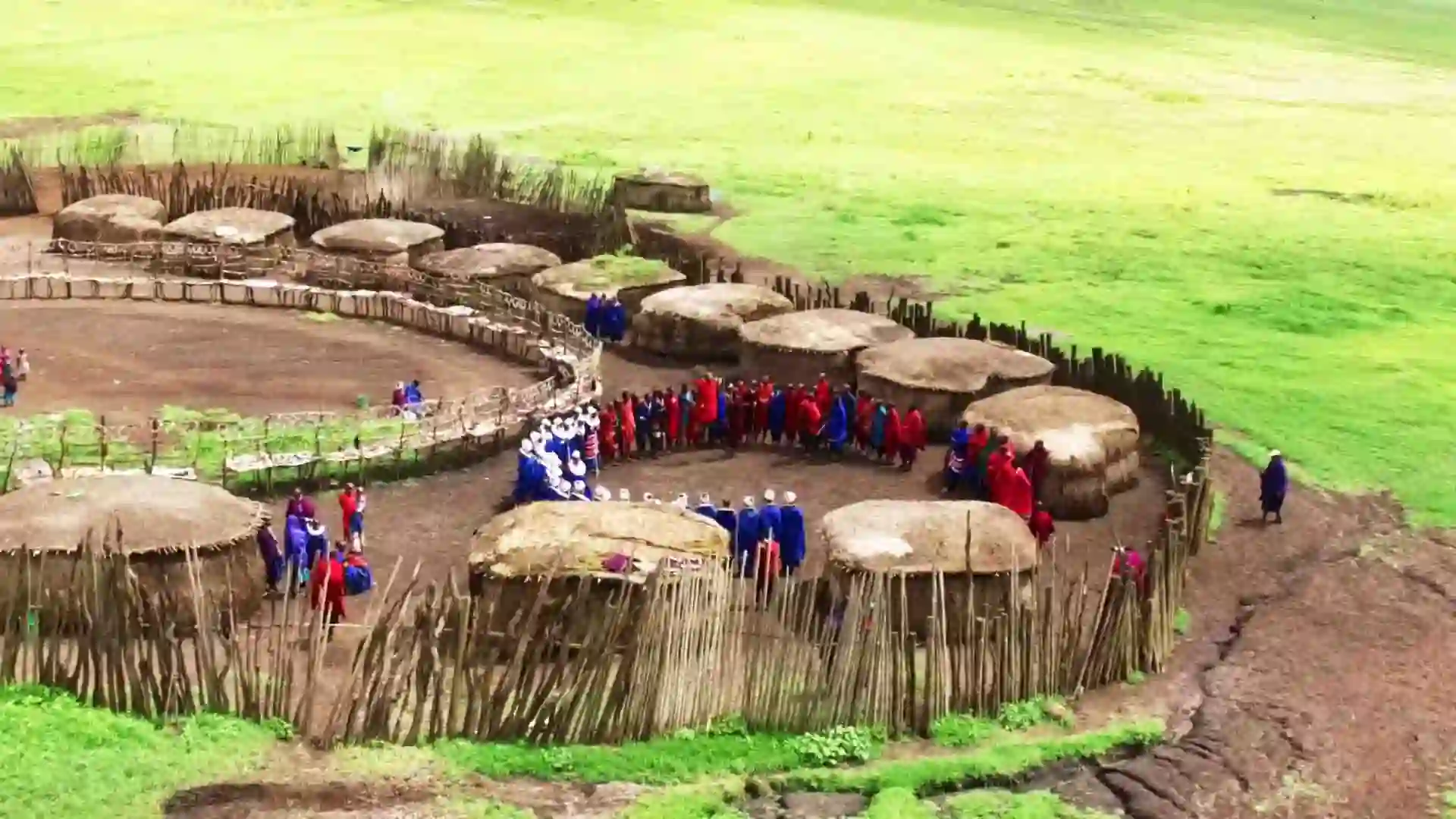

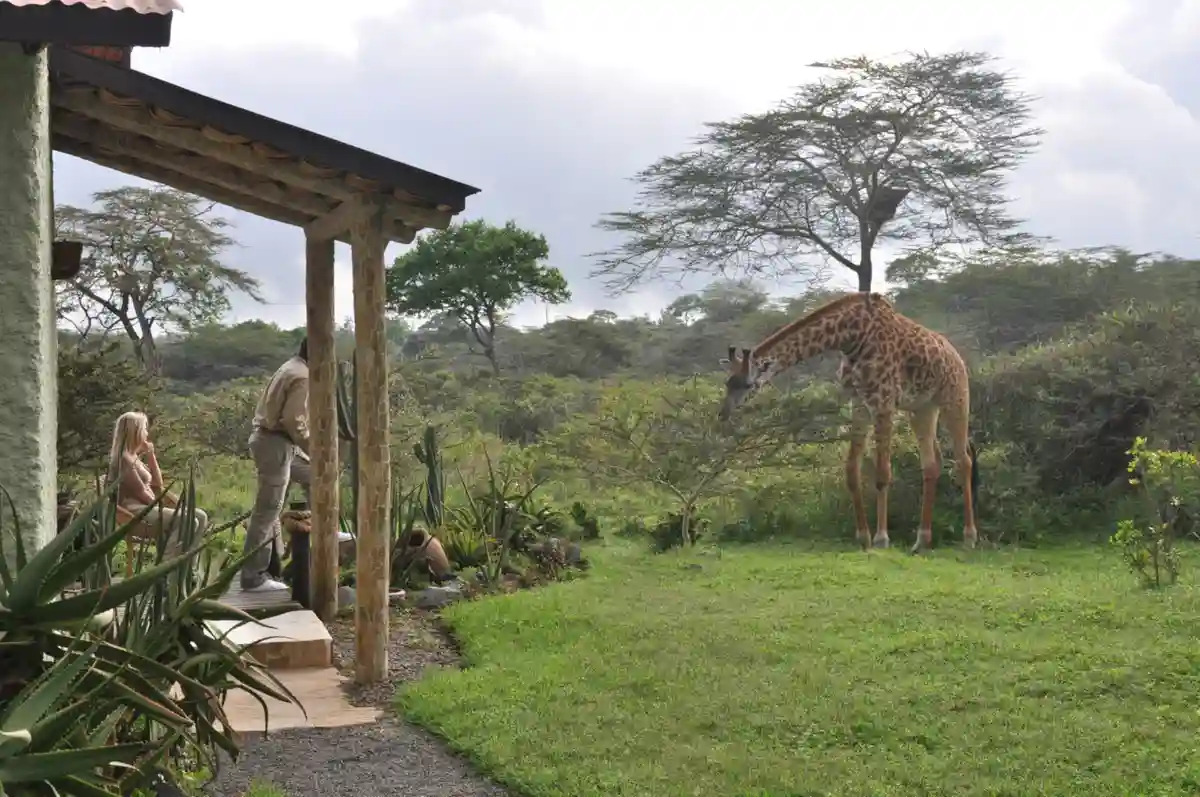


Yes, you can visit Ngorongoro Crater on a day trip from Arusha. However, whether it is the right choice depends on how much time you have, where you are staying, and what you expect from your safari.
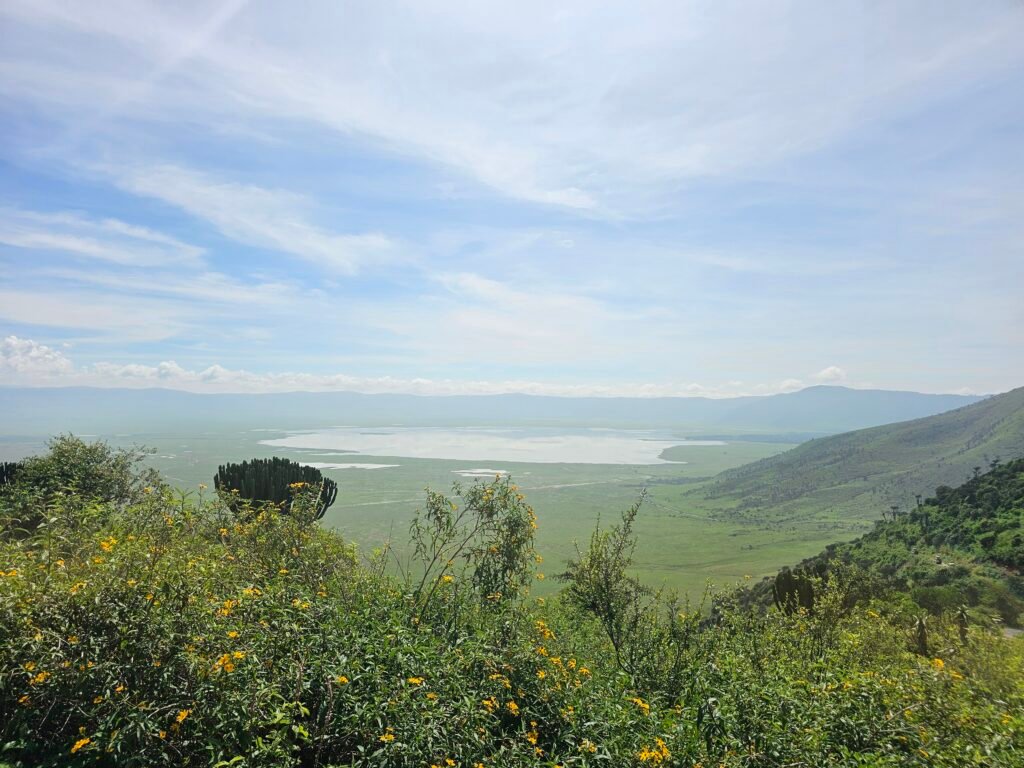
Imagine leaving Arusha before sunrise, watching the landscape change from busy town streets and cultivated farmland to cool highland forests, and finally reaching the rim of a vast volcanic caldera. Below you, open grasslands stretch toward a soda lake, herds of zebra and wildebeest move across the crater floor, and a lion may be resting beside a track used by safari vehicles.
It is possible to experience this remarkable landscape in one day. But there is an important distinction between reaching Ngorongoro Crater in a day and having enough time to explore it properly.
The Ngorongoro Conservation Area Authority (NCAA) identifies the crater as one of the area’s principal wildlife attractions, with game drives taking visitors from the forested descent roads to grasslands where predators and grazing animals share the same ecosystem.

For travellers planning a Tanzania safari, the decision is not simply whether a day trip is possible. It is whether the time spent travelling is worth the wildlife experience you can fit into the day.
Is a Ngorongoro Crater Day Trip Really Possible?
Yes. A day trip from Arusha is feasible with an early departure, a suitable safari vehicle, a professional guide and a carefully planned itinerary.
Arusha is approximately 180 to 190 kilometres by road from the Ngorongoro entrance area, depending on the starting point and route. The drive generally takes around three to four hours each way, although traffic, road conditions, gate formalities and stops can affect the schedule.
This means the journey alone can consume six to eight hours of the day.
That is the central planning challenge. A traveller who leaves Arusha at 5:00 a.m. may reach the conservation area during the morning, descend into the crater, enjoy a game drive and picnic lunch, and return to Arusha in the evening. The exact amount of time on the crater floor depends on the day’s schedule and the applicable park regulations.
A day trip is therefore most suitable for visitors who have limited time in northern Tanzania but consider Ngorongoro a priority.
It is less suitable for anyone expecting a relaxed safari with long breaks, several destinations or an extended evening wildlife drive.
What Makes Ngorongoro Crater Worth Visiting in One Day?
The crater offers a distinctive wildlife experience because a large variety of animals live within a relatively compact natural landscape.
The crater floor contains open grassland, woodland, wetland habitats and a lake. These environments support different species, allowing visitors to encounter a varied range of wildlife during a single game drive. Lions, buffaloes, zebras, wildebeest, hippos and elephants are among the animals visitors may see. The crater is also an important place to look for the endangered black rhinoceros, although sightings are never guaranteed.
This concentration of habitats is one reason Ngorongoro can work well for a short safari.
On a multi-park itinerary, travellers may need to cover considerable distances between destinations to experience different landscapes. At Ngorongoro, the crater floor brings several wildlife habitats together in one setting. That does not guarantee sightings of every species, but it can provide a rewarding introduction to Tanzania’s wildlife in a limited period.
The landscape itself is part of the experience. The descent through highland forest, the changing light on the crater walls and the transition to open plains make the journey memorable even before a major wildlife sighting occurs.
For a first-time safari visitor, this combination of scenery and wildlife can make a single day worthwhile, provided expectations are realistic.
How to Plan a Ngorongoro Crater Day Trip from Arusha
The best way to approach a one-day crater safari is to plan around the fixed travel window rather than simply choosing a departure time.
A practical schedule should allow for the drive from Arusha, conservation area entry formalities, the journey to the crater rim, the descent, wildlife viewing, lunch and the return drive. Delays before the descent can reduce the time available for game viewing, so an early start is essential.
Here is an illustrative itinerary. Actual timings depend on the departure point, road conditions, gate formalities and the day’s operating arrangements.
| Approximate time | Activity |
|---|---|
| 5:00 a.m. | Pickup from your hotel in Arusha |
| 5:00 to 8:30 a.m. | Drive towards the Ngorongoro Conservation Area |
| 8:30 to 9:30 a.m. | Entry formalities and approach to the crater, allowing for delays |
| Morning to early afternoon | Descend and enjoy a guided game drive |
| Midday | Picnic lunch at an authorised picnic site |
| By the applicable exit time | Leave the crater floor |
| Late afternoon to evening | Return to Arusha |
This schedule is a planning guide, not a guarantee of exact arrival or return times. Some operators estimate only two to four hours on the crater floor for a day trip from Arusha, particularly when road and entry delays reduce the available window.
Why the departure time matters
An early start is not simply about seeing animals before other vehicles arrive. It protects the most valuable part of a short safari: time inside the crater.
Consider two travellers. The first leaves Arusha at the agreed time and reaches the entrance as planned. The second leaves an hour late. Both still face the same return journey and applicable crater exit deadline. The second traveller may have to shorten the game drive, reduce time at wildlife sightings or rush lunch.
For a day trip, punctuality is part of the safari experience itself.
What happens during the crater descent?
The descent is one of the defining moments of the visit. The route passes through highland vegetation before opening onto the crater floor, where the landscape becomes more expansive.
Once inside, your guide selects routes based on wildlife activity, road conditions and the time remaining. A good game drive is not simply about covering the greatest distance. It is about using the available time intelligently, observing animal behaviour and responding to sightings without compromising the schedule.
If a lion is resting near the track, for example, your guide may assess whether it is worth pausing or whether moving towards another habitat offers a better chance of finding different wildlife. That judgment becomes especially important when your visit is limited to a few hours.
Which Animals Can You See in Ngorongoro Crater in One Day?
A single day can offer excellent wildlife viewing, but no responsible operator should promise that you will see every species.
The crater’s varied habitats support a rich range of mammals and birds. The most likely sightings vary with the season, recent rainfall, animal movements and the time spent exploring.
- Lions: The open grasslands and prey populations make the crater an important place to look for these predators.
- African elephants: Elephants may be seen moving through woodland or across open ground. Large tusked bulls are particularly memorable when encountered.
- Cape buffaloes: These powerful herbivores often occur in groups and may be seen grazing or resting.
- Zebras and wildebeest: These grazing animals are among the species that contribute to the crater’s busy grassland ecosystem.
- Hippopotamuses: Water habitats provide opportunities to observe hippos, often resting in pools during the day.
- Black rhinoceros: Ngorongoro is one of Tanzania’s important locations for this endangered species. A sighting is possible, but it is never guaranteed and may be at a distance.
- Hyenas and other predators: Your guide may encounter hyenas and other carnivores depending on their movements and the day’s conditions.
The most useful way to judge a short crater safari is not by the number of animals promised in an advertisement. It is by the quality of the wildlife experience, the habitats explored and the amount of time available to observe behaviour.
A traveller who sees a lion resting with its pride, watches elephants moving across the plains and learns how predators interact with grazing animals may gain more from the experience than someone who rushes between sightings simply to tick species off a list.
Is a Day Trip from Moshi to Ngorongoro Crater Worth It?
For most travellers, a same-day return from Moshi is considerably less practical than starting from Arusha.
Moshi is farther east of the crater, so the additional driving time makes an already long day even longer. Depending on the starting location and road conditions, the journey can leave very little time for wildlife viewing before the required exit. One recent operator analysis estimates that a Moshi-based day trip can stretch to approximately 17 to 18 hours door to door.
That matters if you are recovering from climbing Mount Kilimanjaro, travelling with young children or planning an international flight the following day.
Our practical recommendation: If you are staying in Moshi and Ngorongoro is a priority, consider spending a night in Karatu before the crater visit. If you have only one day for a safari and do not want an exhausting transfer, compare other parks that are more practical from your starting point.
The right itinerary is not always the one that includes the most famous destination. It is the one that gives you the best experience within the time you actually have.
Should You Stay in Karatu Instead of Returning to Arusha?
Karatu is a useful overnight base for travellers approaching Ngorongoro. Staying there the night before your crater visit can reduce the early-morning road journey and give you a more comfortable start.
This option changes the experience in three ways.
First, you can begin the day better rested. Second, you reduce the amount of driving that must be completed after the game drive. Third, your itinerary becomes easier to combine with other destinations in northern Tanzania.
For visitors who want Ngorongoro to be a highlight rather than a rushed stop, an overnight near the conservation area is often the better choice.
It can also work well within a longer Northern Circuit safari that includes destinations such as Tarangire National Park, Lake Manyara National Park and Serengeti National Park. The precise order should depend on the number of days available, accommodation preferences and the wildlife experiences you prioritise.
How Much Does a Ngorongoro Crater Day Trip Cost?
The price depends on the number of travellers, the vehicle arrangement, the starting location, accommodation, and the fees applicable to the visit.
When comparing safari quotations, check whether the price includes:
- Private 4×4 safari vehicle with a pop-up roof.
- Professional English, Spanish, French and Italian-speaking safari guide.
- Ngorongoro Conservation Area entry fees.
- Crater service fee and applicable vehicle charges.
- Hotel pickup and drop-off.
- Picnic lunch and drinking water.
- Any applicable taxes and other mandatory charges.
These costs should be itemised clearly in your quotation. The NCAA manages the conservation area and provides an official visitor portal for planning visits and paying conservation fees. Always confirm the applicable tariffs for your travel date rather than relying on an old online price list.
A cheaper quotation is not necessarily better value if it excludes mandatory charges or does not clearly explain the itinerary. Equally, a higher price does not automatically mean a better safari. The important comparison is what you receive, how the day is organised and how much time you can realistically spend enjoying the crater.
What Should You Pack for a One-Day Ngorongoro Safari?
Even when the safari lasts only one day, preparation affects your comfort.
Bring the following:
- A warm jacket or fleece for the early morning and cooler highland conditions.
- Comfortable, neutral-coloured clothing.
- Sunglasses, a sun hat and sunscreen.
- Binoculars for wildlife that may be far from the vehicle.
- A camera or smartphone with sufficient battery and storage.
- Drinking water and any personal essentials.
- Any necessary medication for motion sickness, if appropriate for you.
- A small day bag that can be kept inside the safari vehicle.
The crater rim is considerably higher than Arusha, so temperatures can be cooler, particularly early in the morning. Conditions on the crater floor may feel warmer as the day progresses. Dressing in layers is more practical than wearing one heavy garment throughout the day.
It is also worth asking your tour operator whether a picnic lunch and drinking water are included. Confirm the pickup time the evening before and be ready to depart as agreed.
The Final Verdict: Is a Ngorongoro Crater Day Trip Right for You?

A day trip to Ngorongoro Crater is possible, rewarding and practical for some travellers. But it is not the best arrangement for everyone.
If you are staying in Arusha, have only one day available and want to experience this famous natural landscape, an early departure with a well-organised private safari can make it happen.
If you are staying in Moshi, travelling with young children, recovering from a demanding trek or hoping for a slower wildlife experience, consider spending a night in Karatu or incorporating Ngorongoro into a multi-day safari.
The difference between a rushed visit and a well-planned safari often comes down to decisions made before departure: choosing the right base, allowing enough time for the journey, understanding the access schedule and setting realistic expectations for wildlife sightings.
At FIF Tours & Travel, the goal should be to match the safari to the traveller, not simply fit a famous destination into the shortest possible itinerary.

Planning a Ngorongoro Crater day trip from Arusha? Visit FIF Tours & Travel to enquire about a private safari, confirm the current inclusions and arrange an itinerary suited to your travel dates, group size and budget.
The crater is worth experiencing. Give it a plan that allows you to enjoy it.
Frequently Asked Questions About a Ngorongoro Crater Day Trip
Can you visit Ngorongoro Crater in one day from Arusha?
Yes. It is possible to leave Arusha early in the morning, visit the crater and return in the evening. However, the day involves several hours of driving, so the time available for wildlife viewing is limited compared with an overnight itinerary.
How many hours do you need in Ngorongoro Crater?
For a day trip from Arusha, plan around the available crater access window and confirm the current operating rules with your tour operator. Some itineraries allow approximately two to four hours on the crater floor after accounting for the journey and entry formalities. A longer stay in the area makes the visit less rushed.
Can you see the Big Five in one day?
It is possible to encounter all five animals traditionally known as the Big Five: lion, leopard, elephant, buffalo and rhinoceros. However, no one-day itinerary can guarantee all five sightings. Leopards and black rhinos can be particularly difficult to find, and sightings depend on wildlife movements and conditions.
Is Ngorongoro Crater worth visiting for one day?
Yes, especially if you are staying in Arusha, have limited time and consider Ngorongoro a priority. The crater offers a distinctive combination of landscapes and wildlife. The main compromise is the amount of time spent travelling compared with the time available for game viewing.
Is Ngorongoro Crater better than Tarangire for a day trip?
Neither destination is universally better. Ngorongoro offers a dramatic volcanic caldera with varied wildlife habitats, while Tarangire is known for its baobab landscapes and elephants. If your priority is seeing Ngorongoro itself, choose the crater. If your priority is a day safari with less travel time from certain starting points, compare the driving distances and itinerary before deciding.
What is the best time of year for a Ngorongoro Crater day trip?
Ngorongoro can be visited throughout the year. Weather, vegetation, road conditions and animal movements influence the experience. The best timing depends on your travel dates and interests, so it is worth discussing seasonal conditions with your safari operator rather than assuming that one month guarantees better sightings.