


Ngorongoro Crater is a breathtaking marvel of nature, often described as Africa’s Eden. This iconic destination attracts visitors from all over the world, eager to witness its unparalleled beauty and abundant wildlife. Being the world’s largest intact volcanic caldera is just the beginning of Ngorongoro’s fascinating story.

A Glimpse into Ngorongoro’s Origins
Over two million years ago, a massive volcano erupted, sending ash across the Serengeti before collapsing to form what is now the Ngorongoro Crater. Scientists estimate that before its collapse, this volcano stood as tall as Mount Kilimanjaro, reaching between 4,500 and 5,800 meters. The eruption enriched the surrounding plains with minerals, creating the perfect conditions for the lush grasslands that support one of the highest concentrations of wildlife in Africa.
If Africa had a crown, Ngorongoro Crater would be its most precious jewel.
Unkown
Ngorongoro Crater by the Numbers
- Size: 260 square kilometers
- Crater Wall Height: 610 meters
- Resident Wildlife: Over 30,000 animals
- Bird Species: More than 550 species recorded
- Human Population Nearby: Approximately 40,000 people, including Maasai communities
The Unique Wildlife of Ngorongoro
Ngorongoro is home to the legendary Big Five — lions, elephants, buffaloes, leopards, and rhinos. The crater’s lions are especially famous, with many boasting thick, dark manes. Other formidable predators such as cheetahs, jackals, and hyenas thrive here, maintaining the delicate balance of this unique ecosystem.
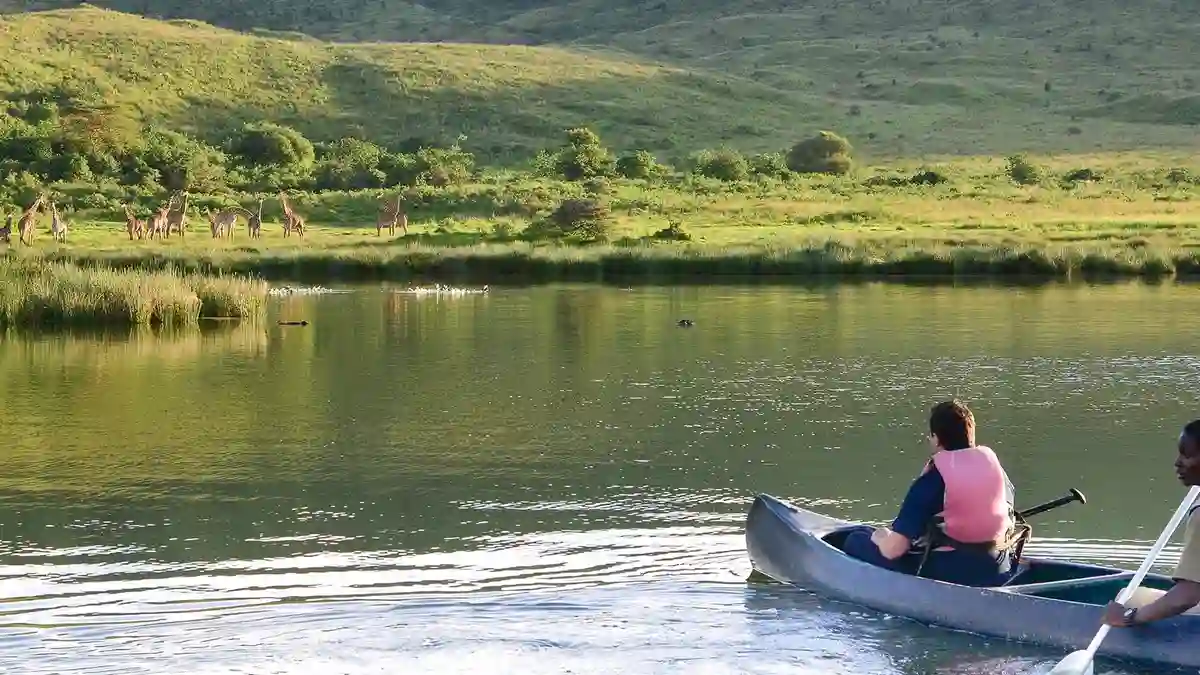
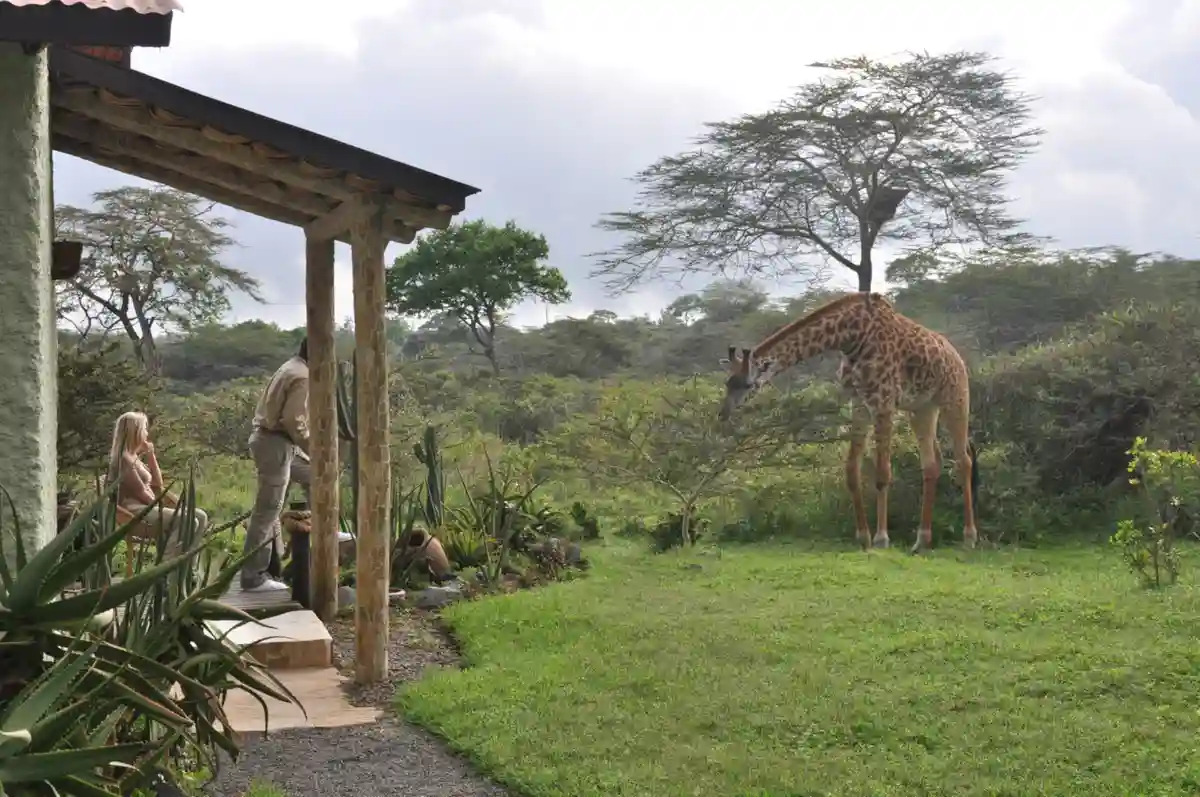
Interestingly, while giraffes roam the Serengeti plains surrounding the crater, they are rarely seen inside. This is likely because the steep walls make it difficult for them to descend into the crater.

A Paradise for Birdwatchers
Ngorongoro Crater is a haven for bird enthusiasts, hosting an astonishing variety of over 550 bird species. From vibrant flamingos gracing the soda lakes to the imposing Kori bustard, the diversity of birdlife here is simply mesmerizing.
Ngorongoro’s Cultural and Historical Significance
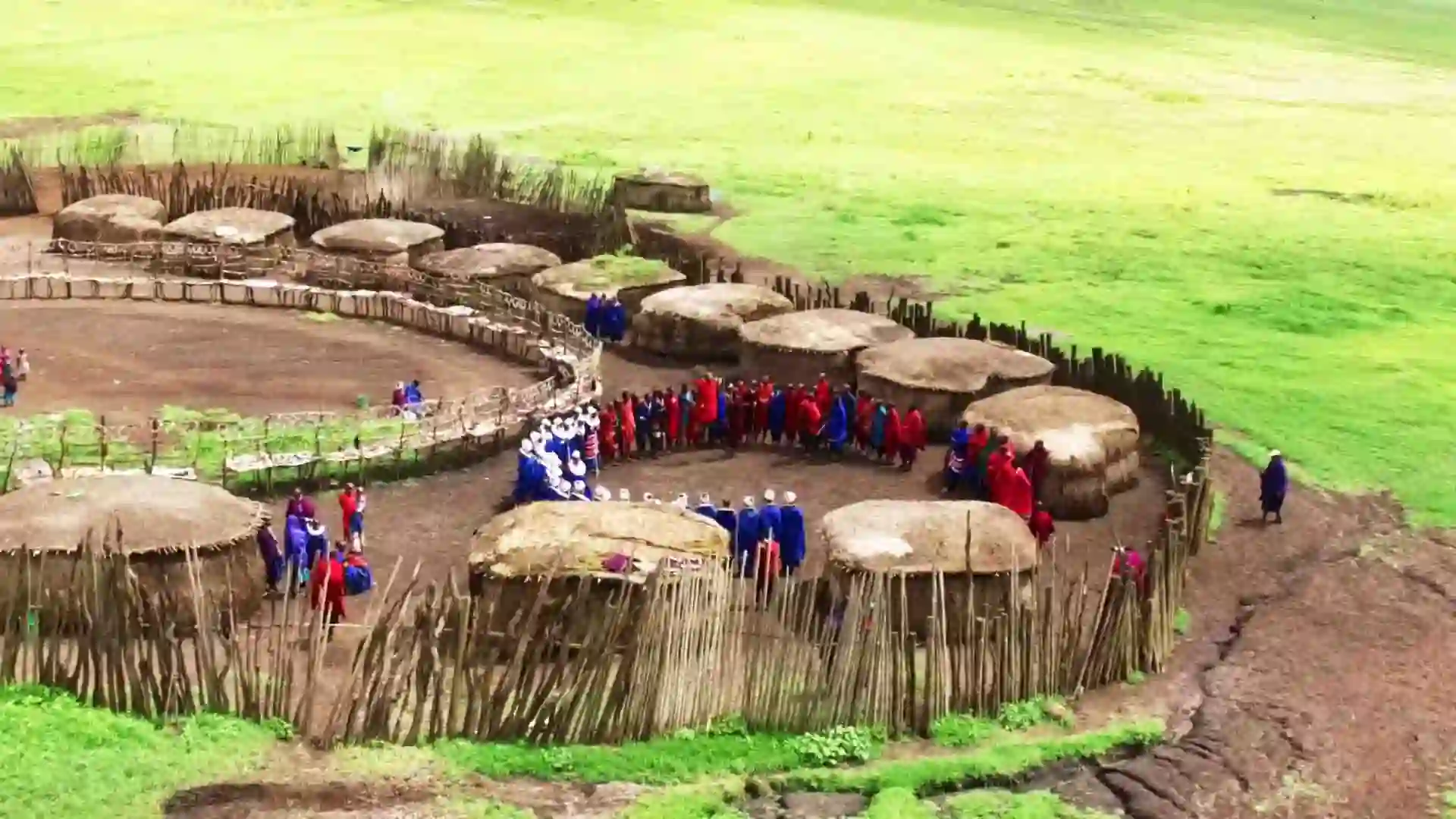
The Ngorongoro Conservation Area is not just about wildlife; it also safeguards human history. Some of the earliest known human fossils were discovered within the region, offering insights into mankind’s ancient past. Additionally, the Maasai people have lived harmoniously with the wildlife here for centuries, maintaining their rich cultural heritage.

Visiting Ngorongoro Crater: What You Need to Know
To protect this fragile ecosystem, the Ngorongoro Conservation Area Authority regulates tourism. Here’s what you need to know before visiting:
- Entry Permits: Required for all visitors.
- Annual Visitors: Limited to approximately 450,000 per year.
- Best Time to Visit: Year-round, but the dry season (June to October) offers prime wildlife viewing.
- Access: The crater is easily reachable via a scenic drive from Arusha or a flight to Kilimanjaro International Airport followed by a road transfer.
Conclusion
Ngorongoro Crater stands as one of the world’s most astonishing natural wonders. As the largest unbroken volcanic caldera that has never filled with water, it remains a hotspot for safari enthusiasts seeking dramatic landscapes and unparalleled wildlife encounters. Recognized as a UNESCO World Heritage Site, along with the nearby Olmoti and Empakaai craters, Ngorongoro continues to captivate adventurers, nature lovers, and conservationists alike. A journey here is nothing short of extraordinary.
Table of Contents
Feel Free to Get the Latest Updates!
Share Button
Facebook
Twitter
LinkedIn
Pinterest