6 Interesting Facts About The Serengeti
Serengeti National Park is one of the most iconic wildlife destinations on Earth—an endless wilderness where nature thrives, predators roam freely, and ancient landscapes stretch as far as the eye can see. Recognized as a UNESCO World Heritage Site, the Serengeti stands as a powerful reminder of how breathtakingly beautiful the natural world can be when it is protected, preserved, and allowed to flourish.
A Giant Wildlife Gathering
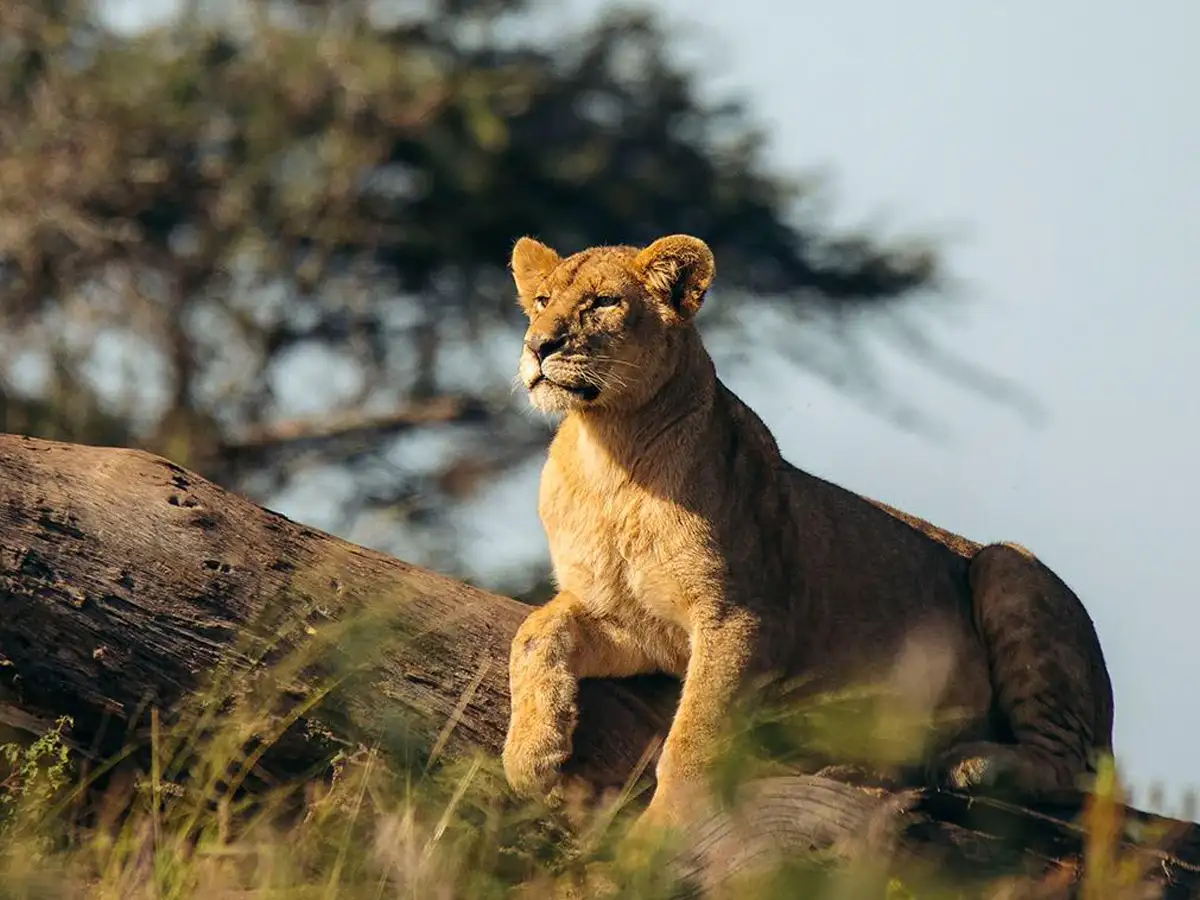
Home to millions of animals, the Serengeti hosts one of the highest concentrations of large mammals anywhere in the world. From wildebeest and zebras to elephants, giraffes and lions, the ecosystem is literally a giant animal party happening all year long.
Serengeti is not just a place — it’s a living heartbeat of nature, where every sunrise writes a new story of the wild
Fif Tours
A Landscape Like No Other
The Serengeti is famous for its sweeping savannas, golden grasslands, scattered acacia trees and dramatic skies. The scenery changes seasonally—from lush green plains during the rainy season to sun-baked golden landscapes in the dry months—each offering a different kind of natural beauty.
The Most Filmed Wildlife Destination on Earth
You’ve probably seen the Serengeti without even realizing it. Countless documentaries, including those by BBC Earth, DisneyNature and National Geographic, have been filmed here, showcasing its raw beauty and unforgettable wildlife moments.
As Old as Time Itself
The Serengeti ecosystem has existed for thousands of years. The migration routes, predator–prey relationships and seasonal cycles have been stable and unchanged for millennia, creating one of the oldest natural theatres on the planet.
A Protected Paradise
As a UNESCO World Heritage Site and one of Africa’s oldest national parks, the Serengeti enjoys strong conservation protection. It is a safe haven where wildlife populations continue to thrive and endangered species are carefully monitored.
A True Wildlife Home
For millions of animals, the Serengeti isn’t just a park—it’s home. It provides breeding grounds, water sources, migration routes and shelter for countless species, maintaining one of the world’s most complete ecosystems.
What Makes the Serengeti So Special?
Endless Grasslands
Nicknamed “the land of endless plains,” the Serengeti features vast open grasslands that stretch over 30,000 square kilometers. These plains support massive herbivore populations and create perfect hunting grounds for predators like lions and cheetahs.
The Big Five—and Beyond
Visitors have the opportunity to encounter the legendary Big Five: lions, leopards, elephants, buffaloes and rhinos. But the wildlife experience goes far beyond that, including cheetahs, hyenas, hippos, crocodiles, rare antelopes and over 500 bird species.
The Greatest Migration on Earth
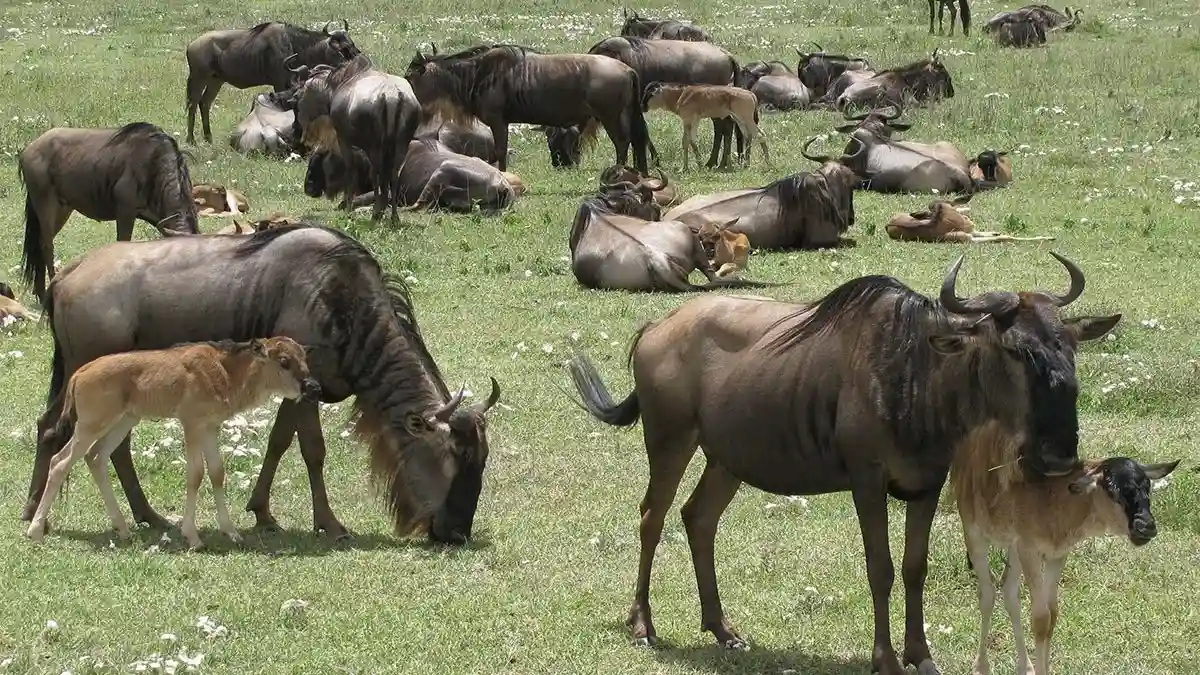
The Great Wildebeest Migration is a world wonder. Every year, more than 1.5 million wildebeest, 200,000 zebras and thousands of gazelles move through the Serengeti in search of fresh grazing. Watching them cross rivers filled with crocodiles or run across the open plains is one of the most breathtaking wildlife experiences humanity can witness.

Dramatic Predator–Prey Interactions
The Serengeti is often called “Africa’s wildlife stage” because it showcases some of the most intense predator–prey dynamics on the planet. Lions stalking zebras, cheetahs sprinting after gazelles and hyenas competing for food—these scenes unfold naturally every day.
Rich Culture and Ancient History
Beyond wildlife, the Serengeti is surrounded by centuries-old cultures, including the Maasai people whose traditions, respect for nature and pastoral lifestyle are closely tied to the land. Archaeological sites like Olduvai Gorge reveal early human history dating back millions of years.
Facts About the Serengeti for Kids
An Animal Wonderland
Kids can see some of the world’s most famous animals all in one place—elephants, giraffes, lions, zebras, hyenas and even huge herds of wildebeest.
A Bird-Watching Bonanza
With over 500 bird species, the Serengeti is a paradise for young bird lovers. From mighty eagles to colorful starlings, the skies are always full of life.
One of Africa’s Largest National Parks
The Serengeti is so big that it is larger than some countries. This gives animals plenty of room to roam, migrate and live freely.
Big Cats Everywhere
Lions, leopards and cheetahs thrive in the Serengeti. It is one of the best places in the world for kids to learn about and observe big cats in their natural habitat.
A Very Ancient Land
The land of the Serengeti has existed for thousands of years. Some of the earliest evidence of humans was discovered in nearby areas, making it a living window into the distant past.
