5 Rare & Unexpected Animals You’ll See on Safari in Tanzania
Rare safari animals Tanzania are often overlooked by most safari travelers who focus almost entirely on the Big Five. While lions, elephants, and leopards dominate expectations, they represent only a fraction of what actually exists in Tanzania’s ecosystems.
The reality is more nuanced. Many of the most fascinating species are rarely seen—not because they are absent, but because they operate outside the patterns that typical safari experiences are built around. These rare safari animals Tanzania tend to be nocturnal, highly elusive, or active in habitats that are not easily accessible during standard game drives.
Understanding this gap is critical. A safari is not just about visibility—it’s about awareness. And without that awareness, some of the most remarkable wildlife will remain completely unnoticed.
What Makes Rare Safari Animals Tanzania So Difficult to See
The challenge of spotting rare safari animals Tanzania is not random. It is driven by specific ecological and behavioral factors that most travelers never consider.
First, many of these animals are strictly nocturnal. Species like the aardvark and honey badger avoid daylight activity almost entirely. This immediately removes them from standard safari visibility, since most game drives take place in the early morning and late afternoon.
Second, habitat specialization plays a role. Animals such as the serval prefer dense grasslands where visibility is naturally low. Even if they are physically close, they remain visually undetectable.
Third, population density matters. Some species simply exist in lower numbers compared to common herbivores or predators. This does not make them endangered—it makes encounters statistically unlikely.
Lastly, behavior is a major factor. Rare safari animals Tanzania are often solitary, highly alert, and quick to retreat. Unlike lions that tolerate vehicles, these animals avoid any form of disturbance.
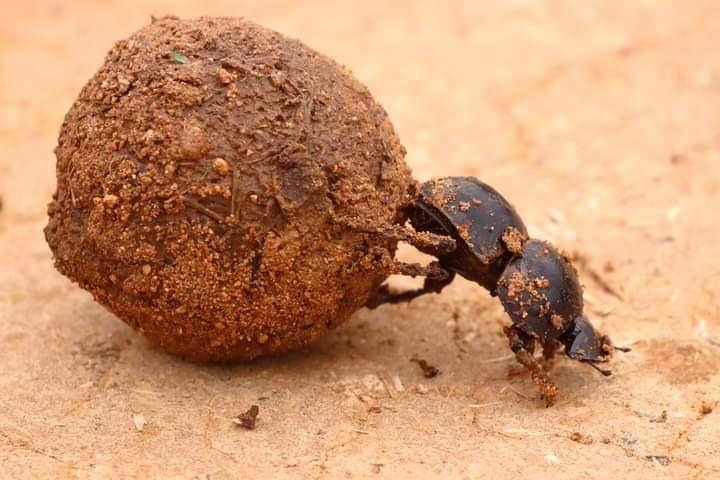
1. Dung Beetle – The Ecosystem Engineer You Ignore
Most people see a dung beetle and dismiss it instantly. That’s a mistake.
Dung beetles are critical to the survival of the entire ecosystem. They recycle waste, control parasites, and improve soil quality. Without them, the savannah would degrade quickly.
Why are they considered rare in safari context?
- They’re small and overlooked, not actually scarce
- Safari focus is biased toward large mammals
- They’re most active immediately after animal movement, not when vehicles stop
What makes them interesting is behavioral precision. A dung beetle can roll a perfectly shaped ball many times its size, navigating using the sun. That level of biological efficiency is rarely appreciated.
This is a case where “rare” doesn’t mean uncommon—it means systematically ignored.
Safari offers much more than just the Big Five; every animal has something worth seeing.
FIF Tours
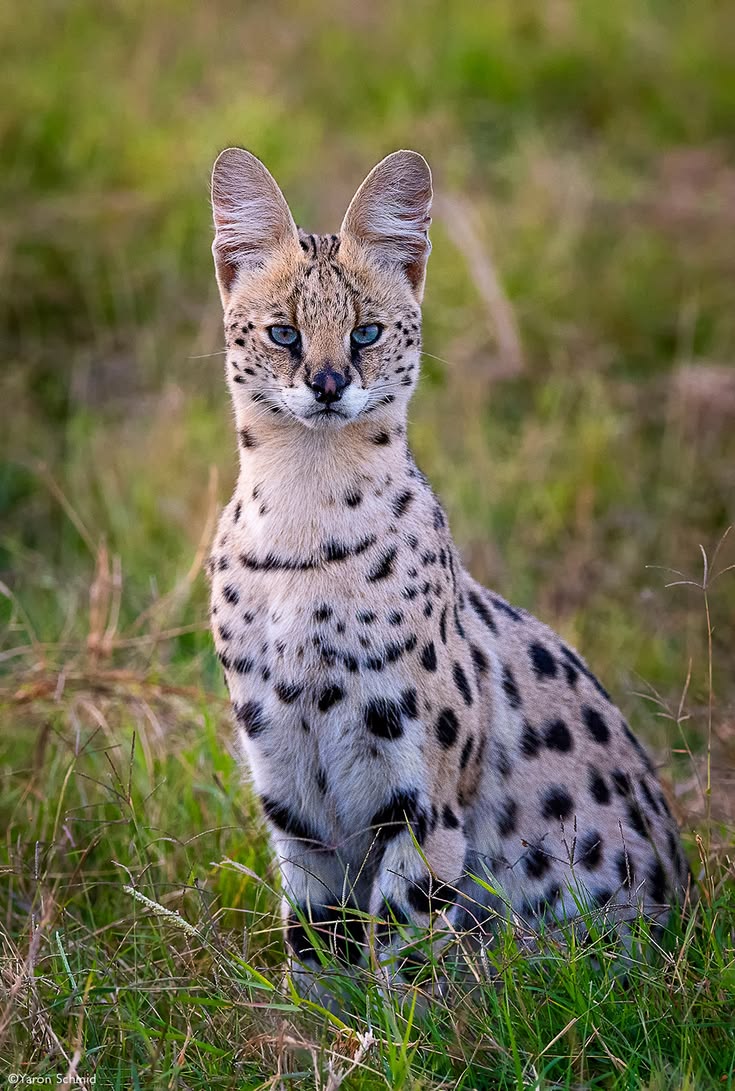
2. Serval Cat – Precision Hunter Hidden in Plain Sight
The serval is one of the most visually striking cats in Africa—long legs, large ears, and a spotted coat. Yet, most safari-goers never see one.
Why?
- It prefers tall grass habitats, not open plains
- It hunts alone, mostly at dawn and dusk
- It relies on stealth, not speed
Its hunting success rate is among the highest of all cats—largely due to its ability to detect prey through sound alone.
Even in areas like the Serengeti National Park, sightings are inconsistent. Not because servals are absent, but because they operate outside predictable visibility.
In short: they’re there—you just won’t notice them.
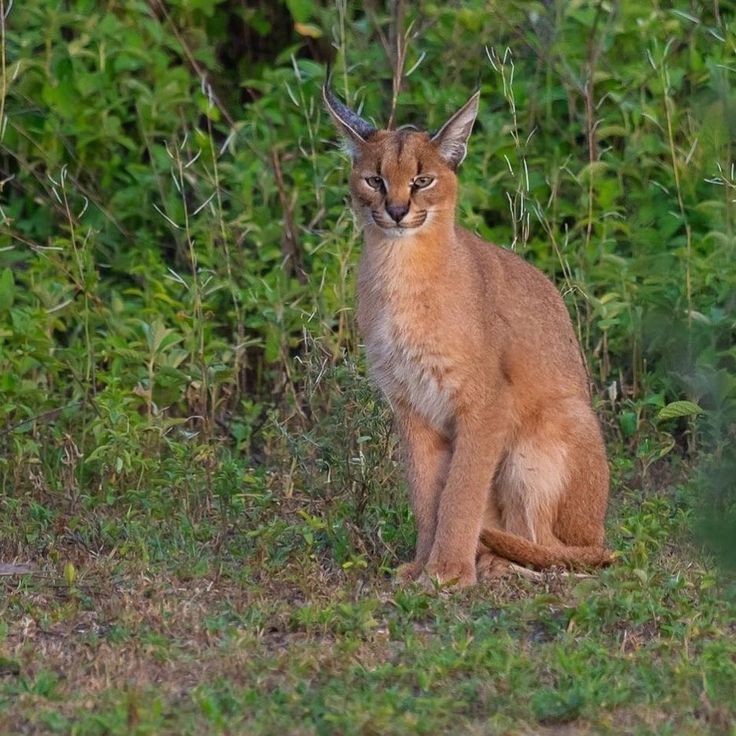
3. Caracal – The Silent Predator Few Ever See
Caracals are not just rare—they’re systematically elusive.
Unlike servals, caracals avoid open terrain. They prefer:
- rocky outcrops
- dry savannah edges
- low-visibility environments
They are also mostly nocturnal, which puts them outside standard safari timing.
What makes them exceptional is their explosive hunting ability. A caracal can leap into the air and take down birds mid-flight. That level of power is rarely witnessed because:
- hunts happen quickly
- often at low light
- far from roads
Even experienced guides may go months without a sighting.
This is not a visibility problem—it’s a behavioral mismatch with tourism patterns.
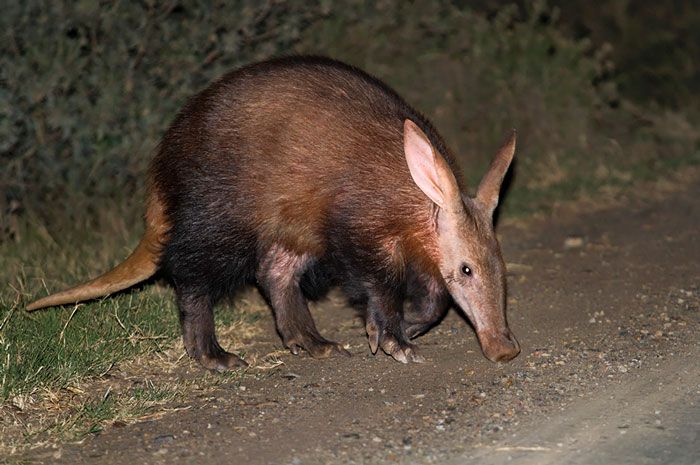
4. Aardvark – The Ghost of the Night Safari
If there is one animal that defines “rare safari animals Tanzania,” it’s the aardvark.
Not because it’s endangered—but because it is almost never seen.
Key reasons:
- strictly nocturnal
- extremely shy and sensitive to disturbance
- spends daytime in burrows underground
Aardvarks feed primarily on ants and termites. Their entire biology is specialized for digging and silent movement.
Even in wildlife-dense areas like the Ngorongoro Conservation Area, sightings are extremely rare.
Most recorded sightings happen:
- at night
- by chance
- far from typical safari routes
Realistically, if you see one, it’s not planned—it’s luck
5. Honey Badger – Aggressive, Intelligent, and Rarely Seen
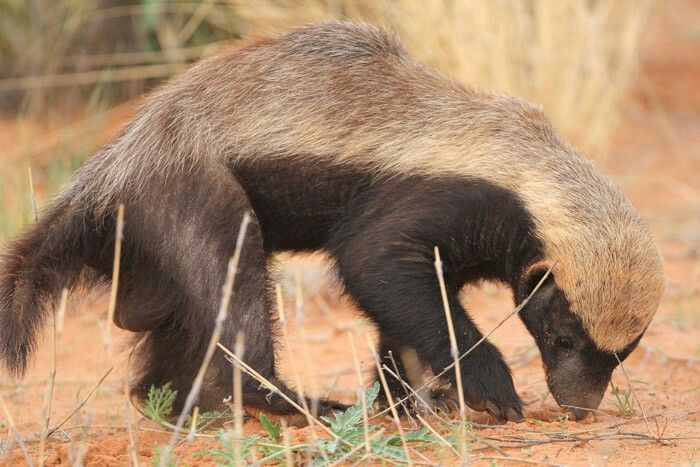
The honey badger has a reputation that exceeds its visibility.
It’s known for:
- fearlessness
- high intelligence
- ability to confront larger predators
Yet, sightings remain uncommon.
Why?
- largely nocturnal
- operates in wide territories
- avoids human presence effectively
Despite being adaptable, honey badgers don’t follow predictable patterns. They move based on food availability, not fixed routes.
Even in regions like Tarangire National Park, where wildlife density is high, honey badgers remain a rare encounter.
The paradox is simple: widely distributed, but rarely seen.
Rare Safari Animals Tanzania vs The Big Five
The Big Five dominate safari marketing because they are:
- large
- visible
- predictable
But that doesn’t make them more interesting—just easier to package.
In contrast, rare safari animals Tanzania require:
- patience
- timing
- environmental awareness
They represent a deeper layer of the ecosystem—one that isn’t staged for visibility.
Where to Increase Your Chances of Seeing Rare Safari Animals Tanzania
You won’t guarantee sightings, but you can improve odds:
- Night game drives (critical for aardvark and honey badger)
- Walking safaris (better for small, overlooked species)
- Private concessions (less traffic, more flexibility)
- Seasonal timing (dry season improves visibility slightly)
Most importantly: adjust expectations.
If you’re chasing rare sightings, you’re not controlling the outcome—you’re increasing probability.
Conclusion
The idea that a safari is defined by the Big Five is incomplete.
The reality is that rare safari animals Tanzania offer a more accurate representation of how ecosystems function—quiet, complex, and often invisible.
These animals are not performing. They are not predictable. And they are not guaranteed.
That’s exactly why they matter.