
Tanzania’s diverse landscapes and rich biodiversity make it a prime destination for bird enthusiasts. With over 1,000 bird species, including many endemic and migratory birds, Tanzania offers an unparalleled bird-watching experience. However, timing is crucial to maximize your chances of spotting these winged wonders in their natural habitat. In this guide, we’ll delve into the best seasons for bird-watching safaris in Tanzania, ensuring you make the most of your avian adventure.
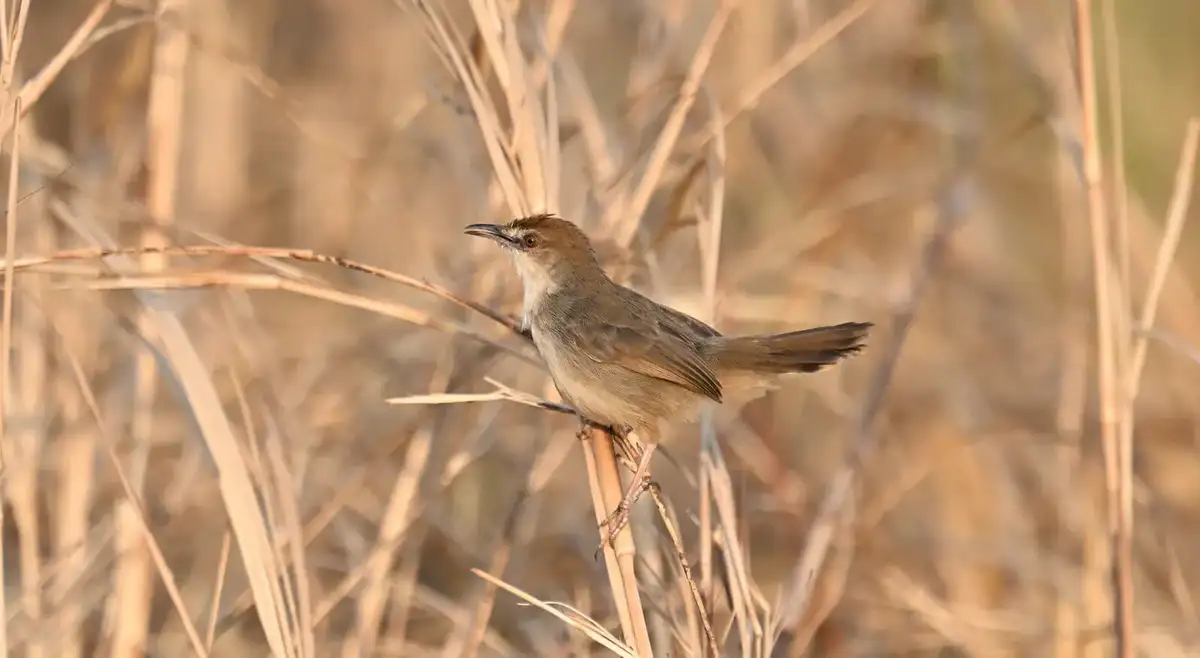
Understanding Bird Migration Patterns:
Before delving into the best seasons for bird-watching safaris in Tanzania, it’s essential to understand the patterns of bird migration in the region. Tanzania serves as a vital stopover for migratory birds traveling between breeding and wintering grounds. The country’s diverse ecosystems, including savannas, forests, wetlands, and coastal regions, provide habitat and resources for a plethora of bird species throughout the year.

Best Bird-watching Seasons in Tanzania:
Wet Season (March to May): During Tanzania’s wet season, which typically spans from March to May, the landscape undergoes a transformation as lush vegetation blankets the plains and fills the riverbeds. While this period may not seem ideal for safari adventures, it offers unique opportunities for bird-watching enthusiasts. The abundance of water and vegetation attracts migratory birds, including species such as European bee-eaters, yellow-throated longclaws, and various waterfowl.
Dry Season (June to October): The dry season in Tanzania, extending from June to October, is renowned as the best time for wildlife viewing due to sparse vegetation and concentrated water sources. Similarly, this period presents excellent opportunities for bird-watching safaris, especially in the country’s northern and southern parks. Birders can expect to encounter a plethora of species congregating around waterholes and rivers, including vibrant bee-eaters, storks, hornbills, and birds of prey.
Shoulder Seasons (November to February): Tanzania’s shoulder seasons, spanning from November to February, offer a balanced compromise between the wet and dry seasons. During this time, the landscape is verdant from recent rains, yet wildlife remains abundant before the onset of the long dry season. Bird-watching enthusiasts can enjoy comfortable temperatures and fewer crowds while spotting an array of resident and migratory species across Tanzania’s national parks and conservation areas.

Factors Influencing Bird-watching Seasons:
Several factors influence the optimal seasons for bird-watching safaris in Tanzania, including weather patterns, bird migration cycles, and vegetation dynamics. Understanding these factors can help travelers plan their safari adventures to coincide with peak bird activity and optimal viewing conditions.
Conclusion:
Embarking on a bird-watching safari in Tanzania promises an unforgettable journey through diverse ecosystems teeming with avian life. By strategically timing your visit to coincide with the best bird-watching seasons, you can maximize your chances of encountering a wide array of species in their natural habitat. Whether you choose to explore during the wet season, dry season, or shoulder seasons, Tanzania offers boundless opportunities for bird enthusiasts to connect with nature and witness the splendor of its feathered inhabitants.
Unlock the door to Tanzania’s breathtaking marvels with us. Our tailored tours offer an exclusive gateway to the heart of Africa’s treasures. Immerse yourself in the untamed beauty of the Serengeti, the cultural richness of local communities, and the pristine shores of Zanzibar. Each journey is crafted to resonate with your wanderlust, ensuring that every step you take in this enchanting land becomes a memory you’ll treasure forever.
FIF Tours and Travel
Typically replies within minutes
Any questions related to When to go?
WhatsApp Us
🟢 Online | Privacy policy
WhatsApp us