Cultural Charisma – Embracing Maasai Village Traditions
Exploring the Essence of Maasai Culture in Tanzania's Villages
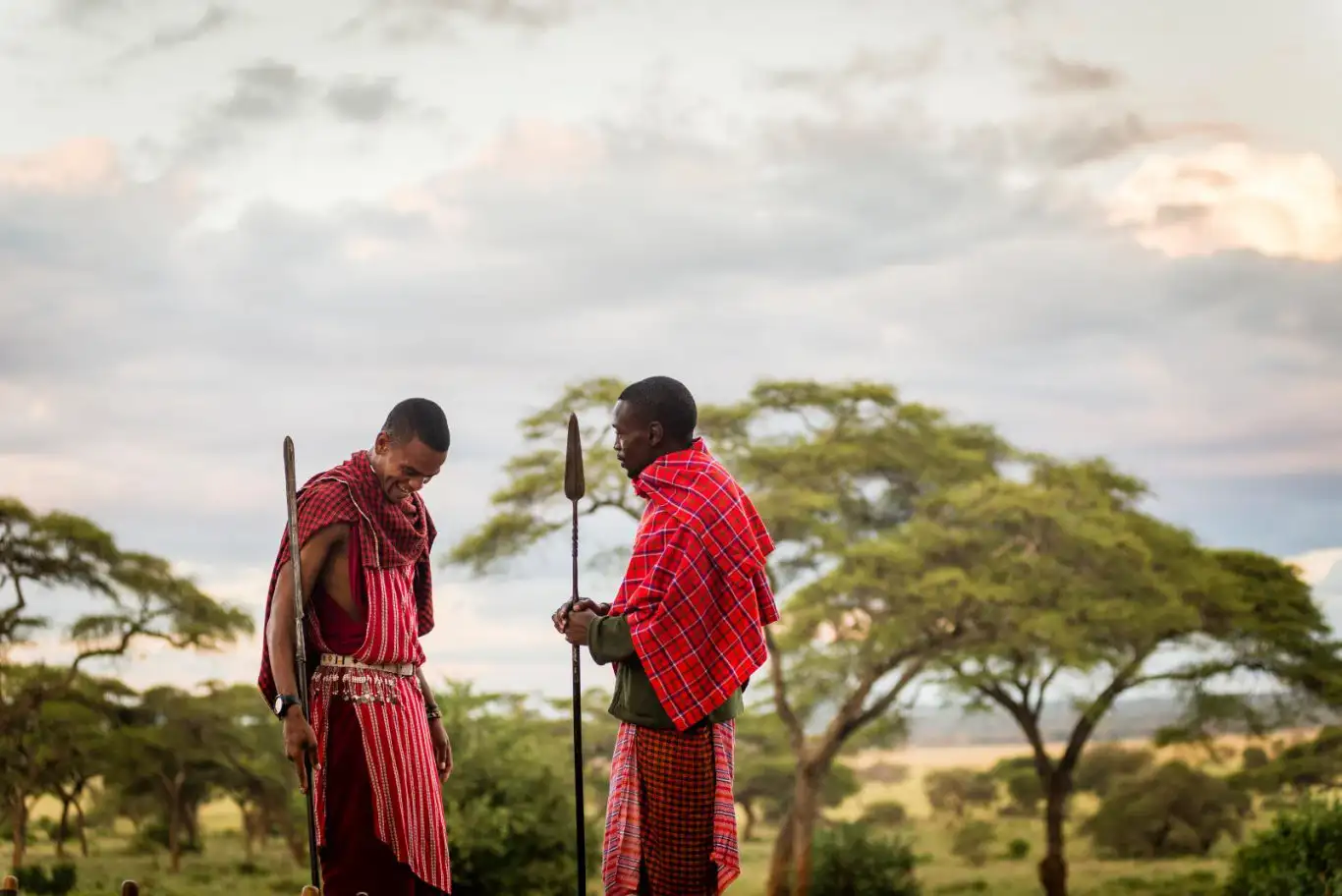
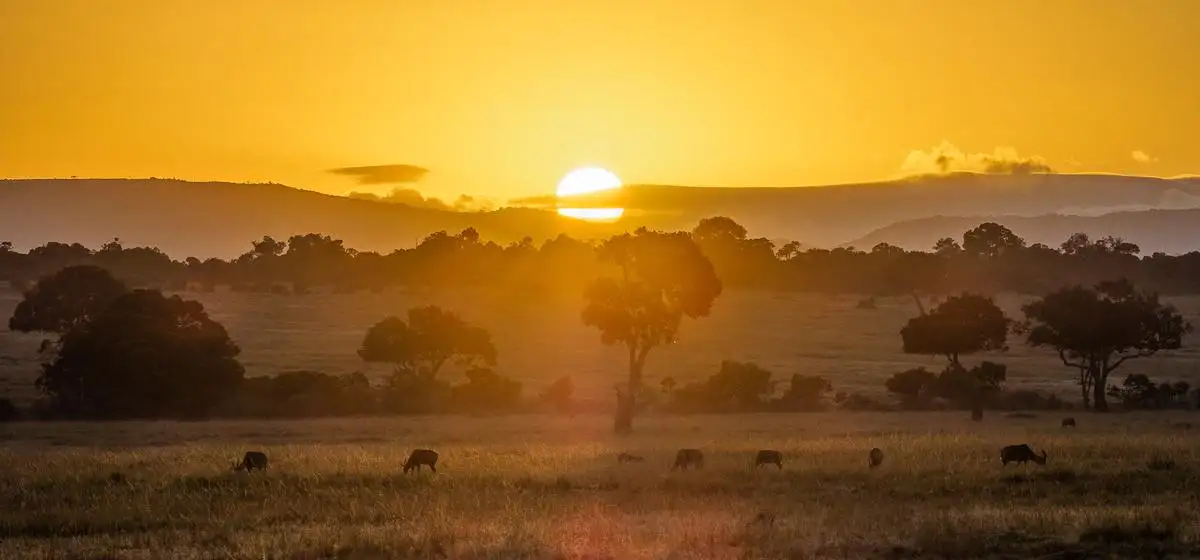
Envision a land where vast savannahs stretch as far as the eye can see, where acacia trees sway gently in the breeze, and where the rhythm of life beats in harmony with the pulse of nature. This is northern Tanzania, a region renowned for its breathtaking landscapes and rich cultural heritage. At the heart of this landscape lies the Maasai people, guardians of a tradition that spans centuries and a culture that captivates the imagination.
Nestled amidst the sweeping plains of northern Tanzania, the Maasai people uphold a vibrant cultural heritage that intertwines seamlessly with the breathtaking landscapes of the region. From their traditional villages to their deep-rooted customs, the Maasai offer a captivating glimpse into a way of life shaped by tradition, resilience, and reverence for the land.
Understanding Maasai Culture: A Tapestry of Tradition and Heritage
The heart of Maasai culture beats with a profound connection to the land, echoing through the vast expanses of the Arusha, Manyara, and Mara regions. Here, amid the iconic Serengeti National Park and the Ngorongoro Conservation Area, the Maasai’s nomadic roots and intricate social structures reflect a deep reverence for their ancestral heritage. Delving into the customs and rituals that define Maasai identity reveals a rich tapestry of tradition, woven amidst the stunning backdrop of Tanzania’s northern landscapes.
The Maasai Way of Life: A Closer Look at Daily Traditions
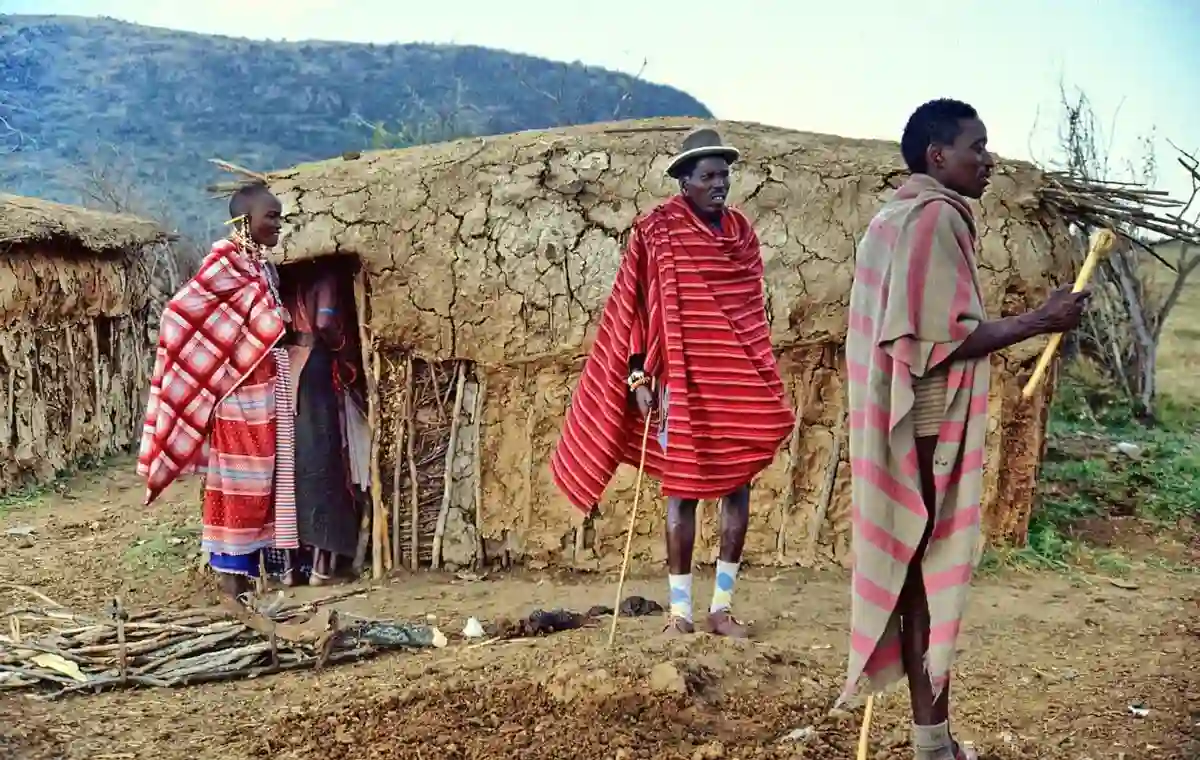
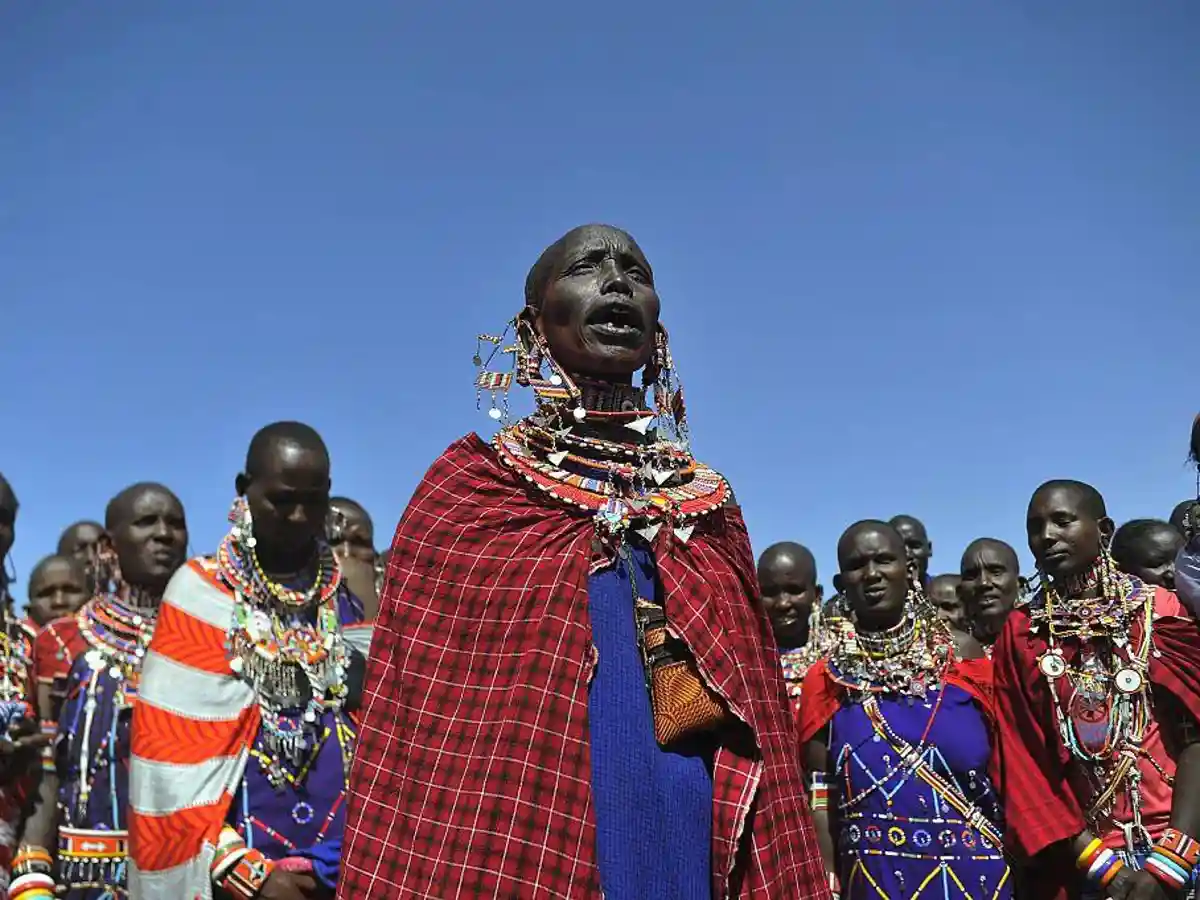
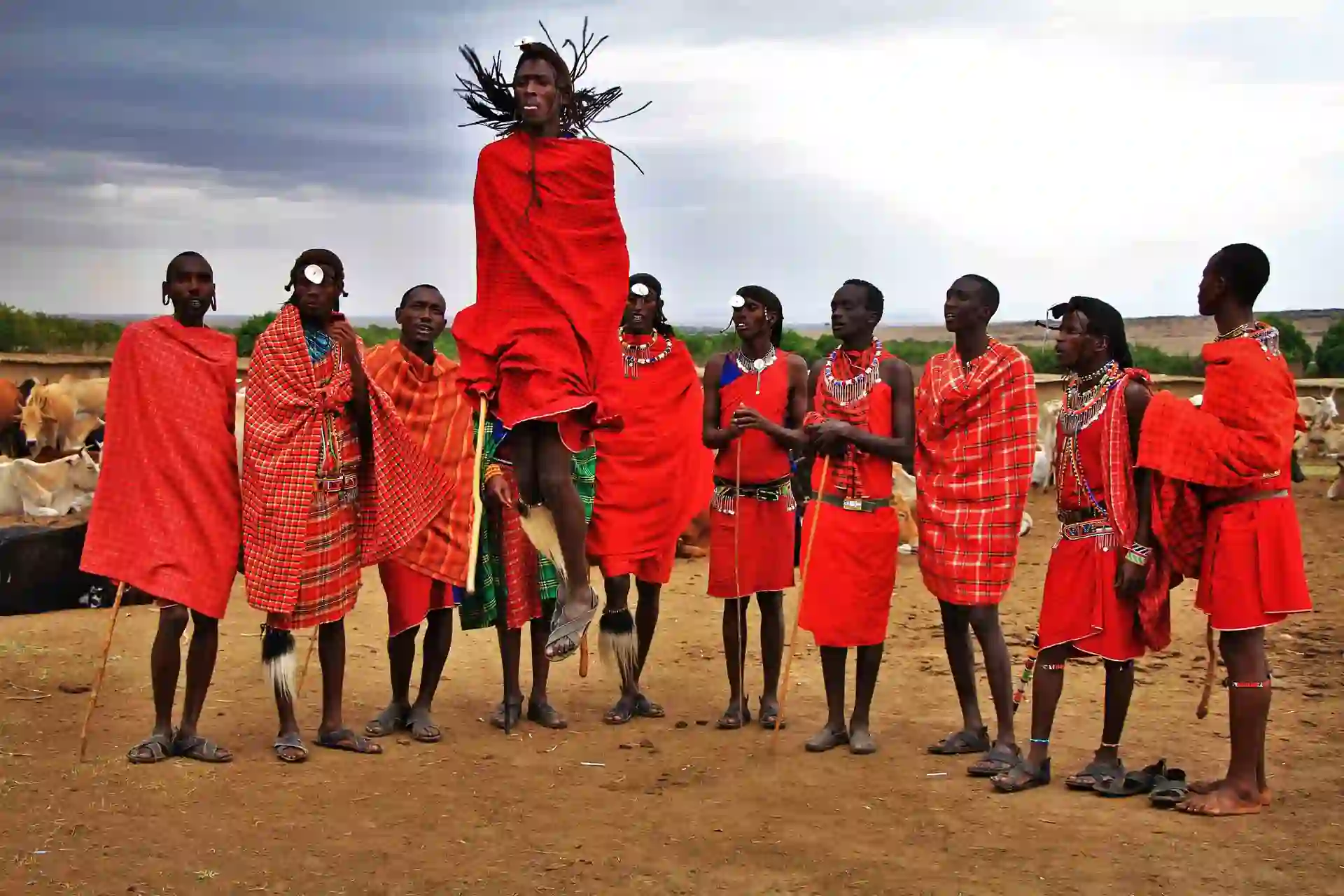
Each day in a Maasai village unfolds with a rhythm all its own, resonating with the timeless practices that have sustained generations. From the crackling of morning fires to the rhythmic chants of evening prayers, visitors are immersed in the essence of Maasai life. Witnessing the art of milking cattle, a sacred ritual passed down through the ages, and the intricate beadwork adorning their clothing, one gains insight into the values and beliefs that anchor the Maasai community to the land.
The Role of Cattle in Maasai Culture: Symbolism and Significance
Central to Maasai culture is their intimate relationship with cattle, which transcends mere economic value to symbolize wealth, status, and cultural identity. Across the plains of northern Tanzania, cattle are not just livestock but revered symbols of prosperity and blessings from the spirits. Through ceremonies such as weddings and coming-of-age rituals, the significance of cattle in Maasai society is celebrated, reinforcing the bonds between the people and their land.
Maasai Art and Craftsmanship: Honoring Tradition through Creativity
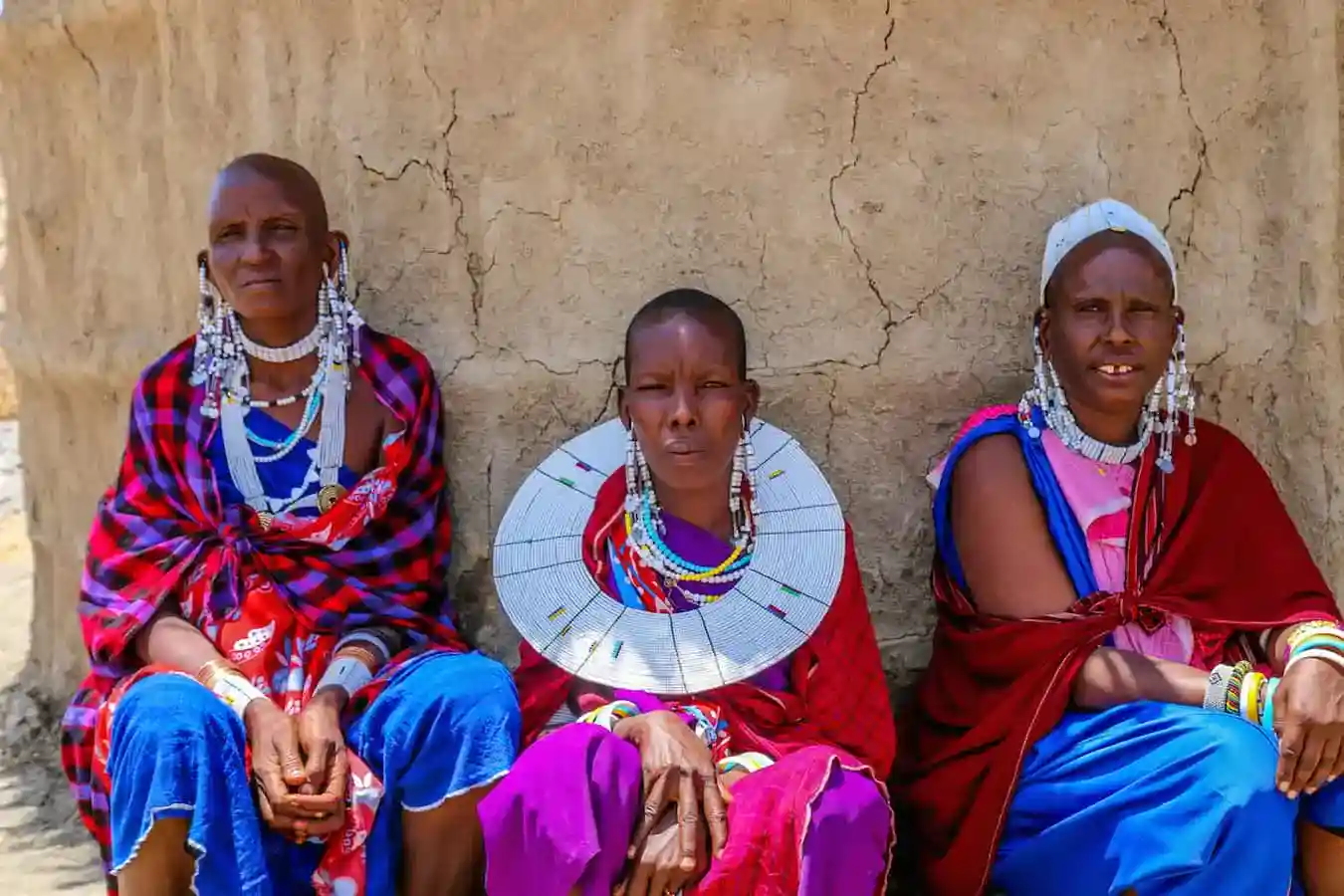
Artistic expression flourishes within Maasai culture, manifesting in the intricate beadwork and craftsmanship that adorn their daily lives. From vibrant jewelry to handcrafted spears, Maasai artisans showcase their skills with pride, preserving their cultural heritage for future generations. Beyond serving as symbols of identity, these works of art also serve as sources of income, supporting the livelihoods of Maasai communities across the northern landscapes of Tanzania.
Navigating Modern Challenges: Balancing Tradition and Progress
In the face of modernization and environmental pressures, Maasai communities are confronted with challenges that test their resilience. Yet, across the Arusha, Manyara, and Mara regions, the Maasai adapt while holding steadfast to their cultural heritage. Community-led conservation projects and sustainable development initiatives are underway, demonstrating their commitment to preserving their way of life amidst a changing landscape.
Education and Empowerment: Investing in the Future of Maasai Youth
Education plays a vital role in empowering Maasai youth to navigate the complexities of the modern world while preserving their cultural identity. In schools scattered across northern Tanzania, traditional teachings blend harmoniously with modern curriculum subjects, instilling pride in cultural heritage. Scholarships and vocational training programs offer pathways to success, ensuring that Maasai traditions endure in the hearts and minds of future generations.
Sustainability and Environmental Conservation: Preserving Maasai Lands for Future Generations
The Maasai’s deep connection to the land drives their commitment to environmental conservation across northern Tanzania. Through traditional land management practices and community-driven initiatives, they safeguard natural resources for posterity. These efforts not only protect biodiversity but also uphold the traditional way of life that is inseparable from the land itself.
Spirituality and Belief Systems: Exploring the Maasai Cosmology
At the core of Maasai spirituality lies a reverence for nature and the interconnectedness of all living beings. Belief in a supreme being, Ngai, permeates Maasai cosmology, guiding their daily lives with a sense of harmony and respect for the natural world. Ceremonies and rituals serve as expressions of gratitude and celebration, reinforcing the spiritual bond between the Maasai people and their environment.
Tourism and Economic Empowerment: Harnessing the Potential of Cultural Tourism
Tourism presents both opportunities and challenges for Maasai communities seeking to balance economic development with cultural preservation. Sustainable tourism initiatives that prioritize community involvement and environmental stewardship are essential for ensuring that tourism benefits Maasai communities while respecting their cultural heritage.
Location of Maasai Villages in Tanzania
The Maasai people predominantly inhabit the northern regions of Tanzania, particularly in areas surrounding the Serengeti National Park and the Ngorongoro Conservation Area. These regions include the Arusha, Manyara, and Mara regions, where Maasai villages are scattered amidst the stunning landscapes of the Tanzanian savannah. Additionally, Maasai communities can also be found in parts of southern Kenya and other regions of Tanzania, but their presence is most concentrated in the northern areas of the country.
conclusion
In conclusion, the exploration of Maasai culture offers a multifaceted journey into the heart of Tanzania’s cultural landscape. From their deep-rooted traditions and intricate social structures to their resilience in the face of modern challenges, the Maasai people embody a rich cultural heritage that is both timeless and dynamic. By engaging with their communities, supporting sustainable development initiatives, and advocating for their rights, we can ensure that the Maasai culture continues to thrive for generations to come. As we celebrate their legacy and embrace their traditions, let us do so with humility, respect, and a deep appreciation for the diversity of human experience.