
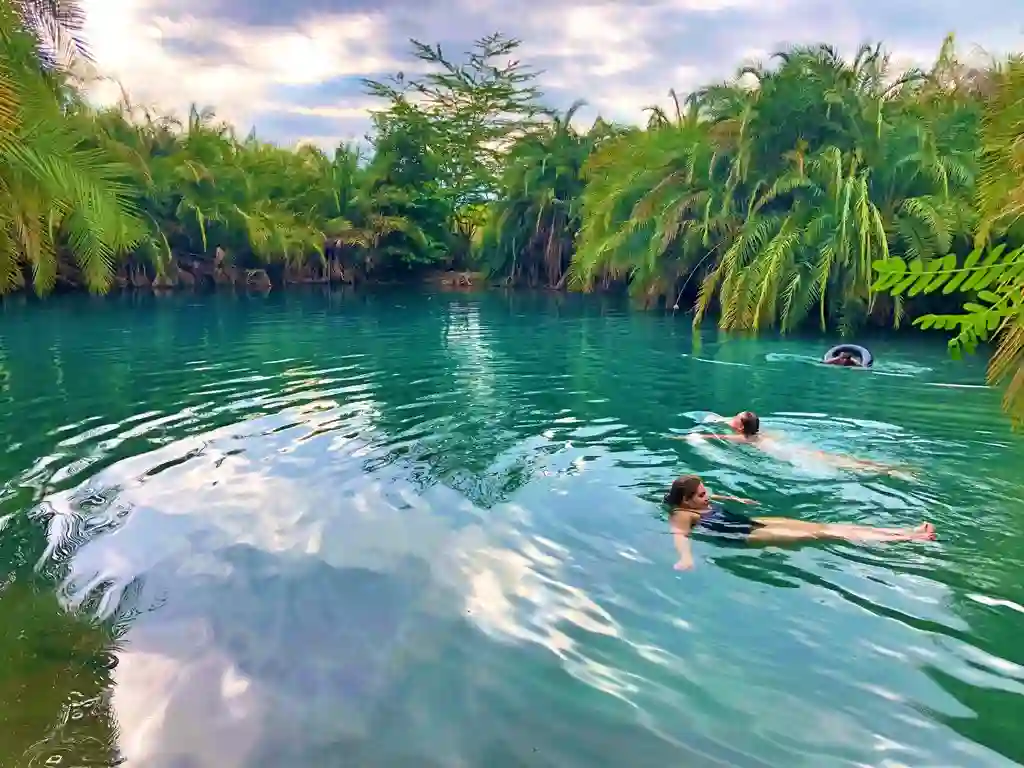


Tanzania is home to some of Africa’s most breathtaking destinations, but few places compare to the beauty and ecological importance of the Ngorongoro Crater. Located inside the famous entity “point_of_interest”,”Ngorongoro Conservation Area“,”Arusha Region, Tanzania”, this remarkable destination attracts travelers from around the world because of its incredible wildlife, rich cultural heritage, and dramatic landscapes. Often referred to as Africa’s Garden of Eden, the Ngorongoro Crater safari offers a safari experience unlike anywhere else on the continent.
The crater is the world’s largest inactive and intact volcanic caldera. Over thousands of years, nature transformed this ancient volcano into a thriving ecosystem filled with grasslands, forests, lakes, and swamps. Today, the Ngorongoro Crater is recognized as one of the best safari destinations in Africa and a UNESCO World Heritage Site.
Whether you are searching for wildlife encounters, cultural experiences, or unforgettable landscapes, the Ngorongoro Crater delivers an experience that stays with visitors long after the journey ends.

If Africa had a crown, Ngorongoro Crater would be its most precious jewel.
Unkown
Geological Background of Ngorongoro Crater
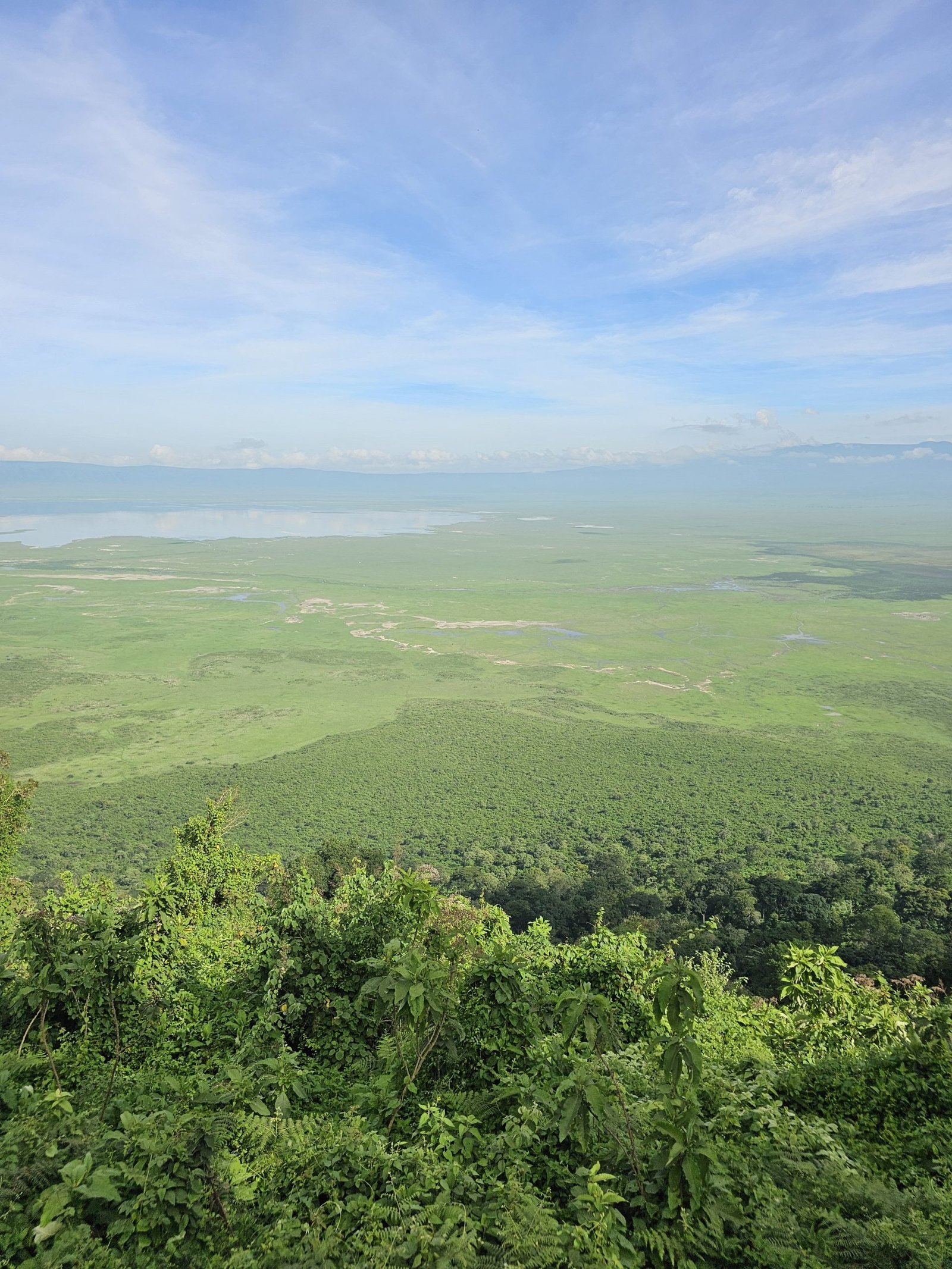
The Ngorongoro Crater was formed nearly three million years ago when a massive volcano erupted and collapsed inward, creating the giant caldera visible today. The crater floor stretches over 260 square kilometers and is surrounded by steep walls rising approximately 600 meters high.
This geological wonder created a self-contained ecosystem capable of supporting thousands of animals throughout the year. The fertile volcanic soil encourages the growth of grasslands and vegetation, which in turn sustain a large concentration of wildlife.
Because of its unique geography, the Ngorongoro Crater remains one of the few places in Africa where visitors can witness such a dense population of animals within a relatively small area. The dramatic landscape also provides stunning panoramic views that make the crater one of the most photographed destinations in Tanzania.
Resident Wildlife in Ngorongoro Crater Safari
One of the biggest reasons travelers visit the Ngorongoro Crater is its extraordinary wildlife population. The crater is home to more than 25,000 large animals, making it one of the most concentrated wildlife regions in Africa.
Visitors can spot lions resting in the grasslands, elephants moving through forested areas, and large herds of zebras and wildebeests grazing across the crater floor. The Ngorongoro Crater is also one of the few places where endangered black rhinos can still be seen in their natural habitat.
Other common animals found inside the crater include:
- Buffaloes
- Hippos
- Hyenas
- Jackals
- Gazelles
- Cheetahs
- Leopards
- Warthogs
The presence of permanent water sources allows many animals to remain inside the crater year-round instead of migrating. This gives travelers a higher chance of seeing a wide variety of species during a single safari drive.
Biodiversity and Wildlife Conservation
The Ngorongoro Crater is internationally recognized for its biodiversity and conservation efforts. Different habitats inside the crater support a broad range of species, including mammals, birds, reptiles, and plant life.
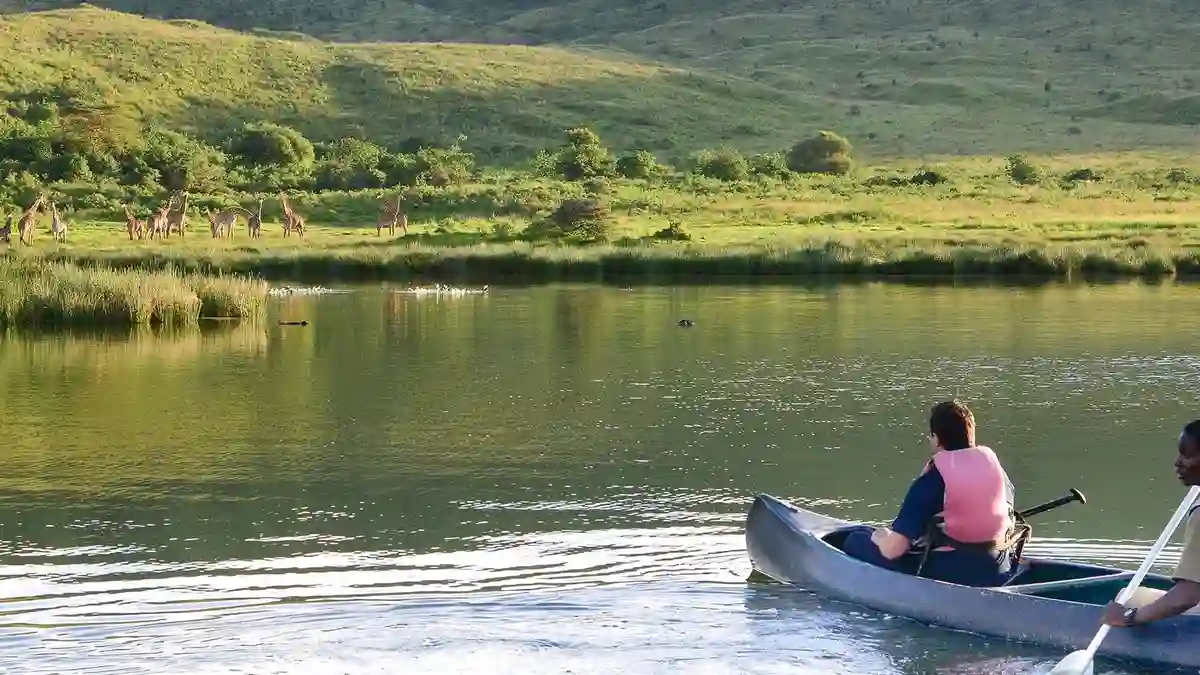
Lake Magadi, located on the crater floor, attracts thousands of flamingos and other water birds during certain seasons. Forested areas provide shelter for elephants and monkeys, while open plains support predators and grazing animals.
Conservation plays a major role in protecting the ecosystem of the Ngorongoro Crater. Authorities work closely with local communities and conservation organizations to maintain the delicate balance between tourism, wildlife, and traditional human activities.
The area is also important for scientific research because it demonstrates how wildlife and humans can coexist within a protected environment.
Cultural Experience with the Maasai People
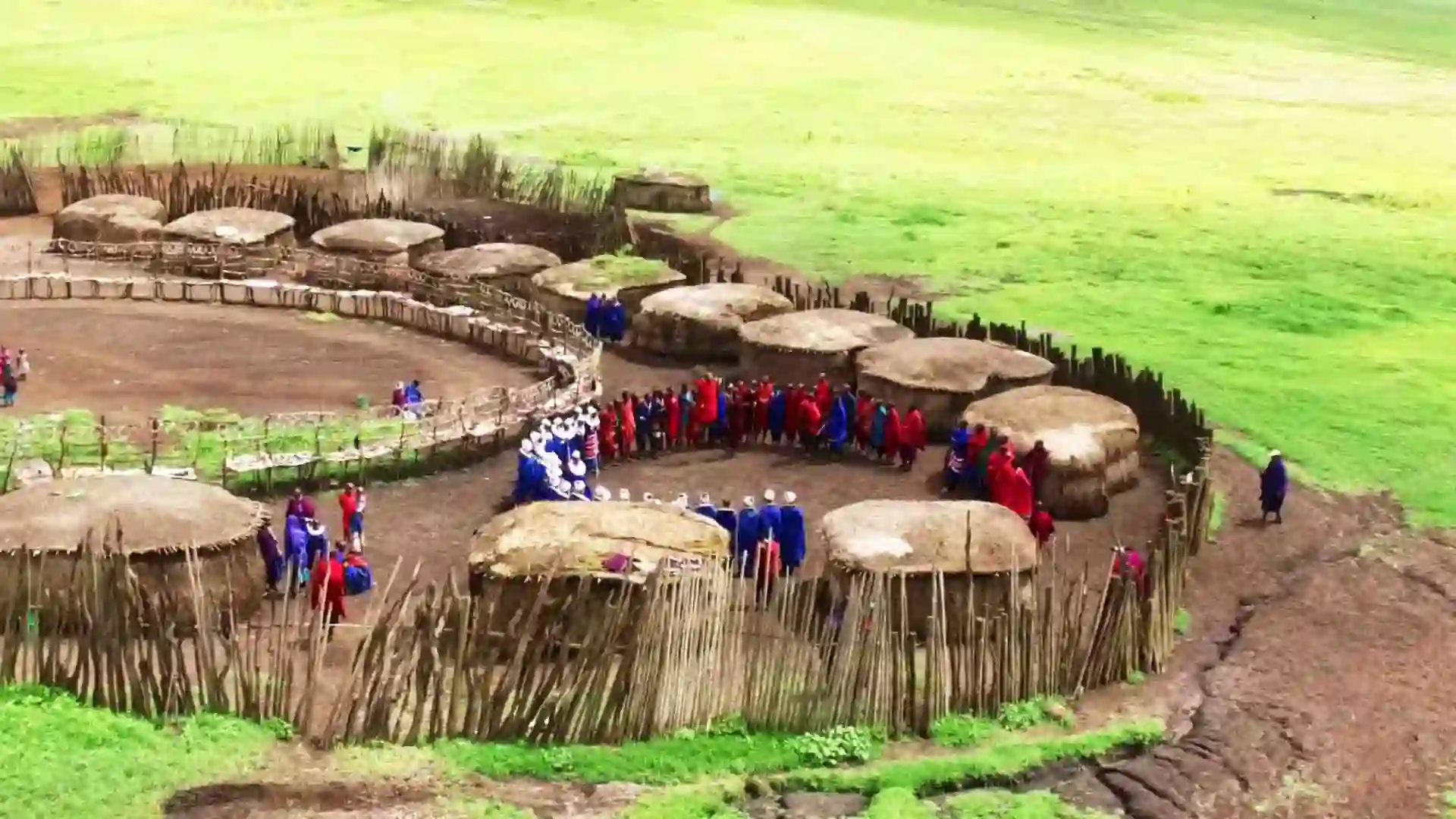
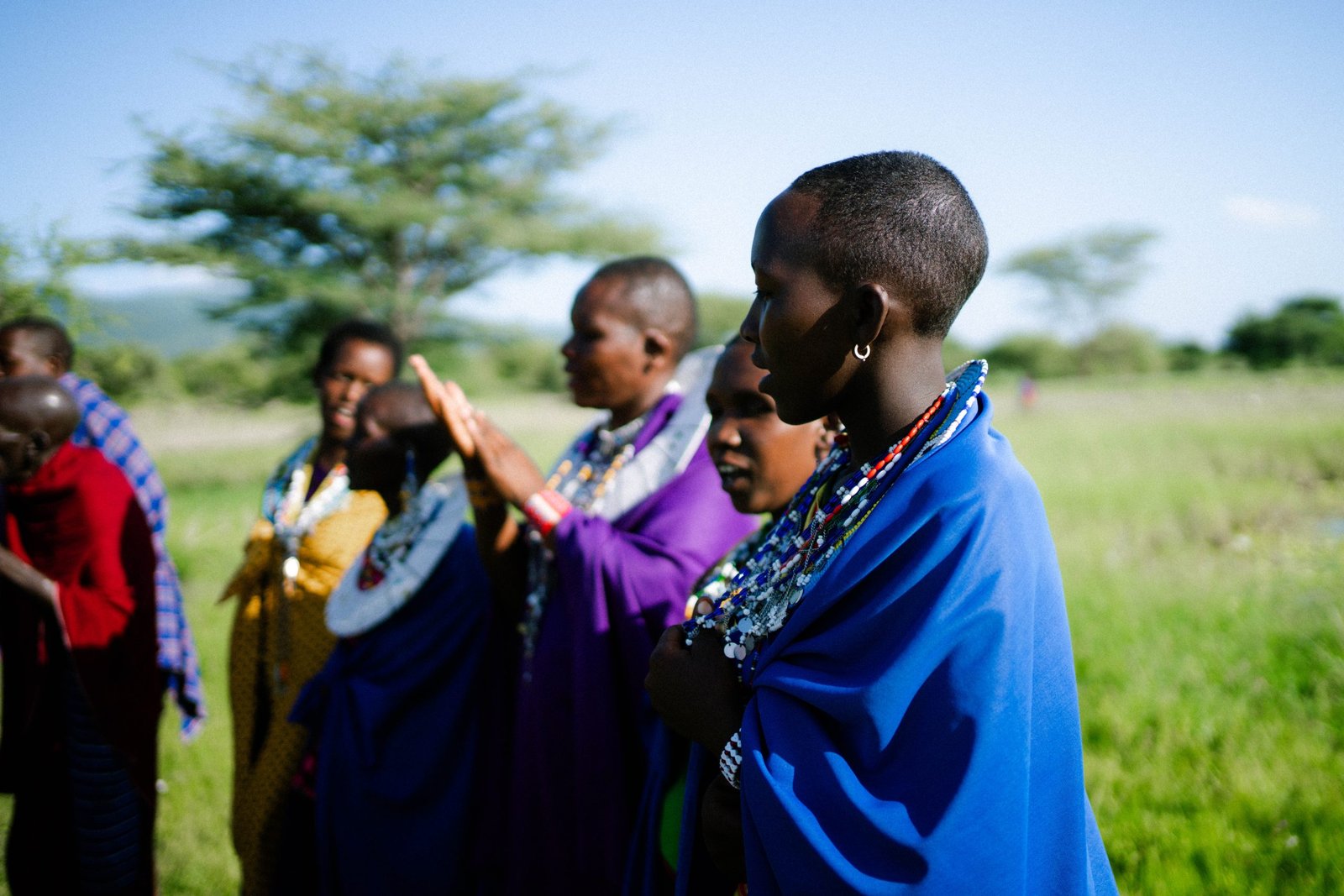
Beyond wildlife, the Ngorongoro Crater offers visitors an opportunity to experience the traditions and lifestyle of the Maasai people. The Maasai are among East Africa’s most recognized indigenous communities and have lived in the Ngorongoro Conservation Area for generations.
A cultural tour allows travelers to visit Maasai villages, learn about traditional customs, and understand how the community continues to preserve its heritage while adapting to modern changes.
During a Maasai cultural experience, visitors may:
- Watch traditional dances
- Learn about Maasai clothing and jewelry
- Visit traditional homes known as bomas
- Discover cattle-herding traditions
- Learn about local survival skills and medicinal plants
The cultural connection adds depth to the safari experience because it allows travelers to understand the relationship between local communities and the surrounding environment.
Best Ways to Experience Ngorongoro Crater
1. Safari Drives in Ngorongoro Crater
Game drives are the most popular way to explore the Ngorongoro Crater. Guided safaris usually begin early in the morning when animals are most active.
A safari drive offers opportunities to see the Big Five, including lions, elephants, buffaloes, rhinos, and leopards. Because wildlife density is high, even a single day inside the crater can provide exceptional wildlife sightings.
Professional guides also share information about animal behavior, conservation, and the geological history of the area.
2. Walking Safari Experience
For travelers seeking a closer connection with nature, walking safaris provide a completely different perspective of the Ngorongoro Crater region.
Walking safaris are usually conducted in designated areas outside the crater floor and are led by experienced guides and armed rangers. Visitors can observe smaller wildlife, native plants, and natural landscapes while learning tracking techniques and survival knowledge.
This experience creates a more intimate and adventurous atmosphere compared to traditional vehicle safaris.
3. Cultural Tours
Cultural tours remain one of the most rewarding activities in the Ngorongoro Crater area. Meeting the Maasai people allows travellers to experience authentic traditions and local hospitality.
These tours are especially valuable for visitors interested in history, anthropology, and community-based tourism.
4. Bird Watching in Ngorongoro Crater
Bird watching is another major attraction in the Ngorongoro Crater. The region supports more than 500 bird species, making it a paradise for bird enthusiasts.
Some commonly spotted birds include:
- Flamingos
- Ostriches
- Crowned cranes
- Eagles
- Vultures
- Secretary birds
- Hornbills
The combination of lakes, forests, and open grasslands creates ideal conditions for both resident and migratory birds.
Best Time to Visit Ngorongoro Crater
January to February
This period is considered one of the best times to visit the Ngorongoro Crater because the landscape becomes greener after seasonal rains. Wildlife viewing remains excellent, and the weather is generally comfortable.
It is also an ideal season for photography because the scenery appears vibrant and beautiful.
June to October
The dry season from June to October is the peak safari season in Tanzania. During this period, animals gather around water sources, making wildlife easier to spot.
Road conditions are also better, and cooler temperatures create comfortable conditions for safari activities.
November to December
Short rains usually occur between November and December, but the Ngorongoro Crater still remains attractive for visitors.
The scenery becomes lush again, bird activity increases, and tourist crowds are generally smaller compared to peak season.
Why Ngorongoro Crater Should Be on Your Next Trip
The Ngorongoro Crater offers one of the most complete travel experiences in Africa. It combines breathtaking scenery, world-class wildlife viewing, rich Maasai culture, and extraordinary geological history within a single destination.
Unlike many safari destinations where wildlife can be spread across vast distances, the Ngorongoro Crater provides concentrated wildlife encounters inside a spectacular natural setting. This makes it ideal for photographers, adventure travelers, nature lovers, and first-time safari visitors.
The crater also stands out because of its balance between conservation and culture. Visitors not only experience wildlife but also gain insight into the traditions and lifestyle of the Maasai people who continue to live within the conservation area.
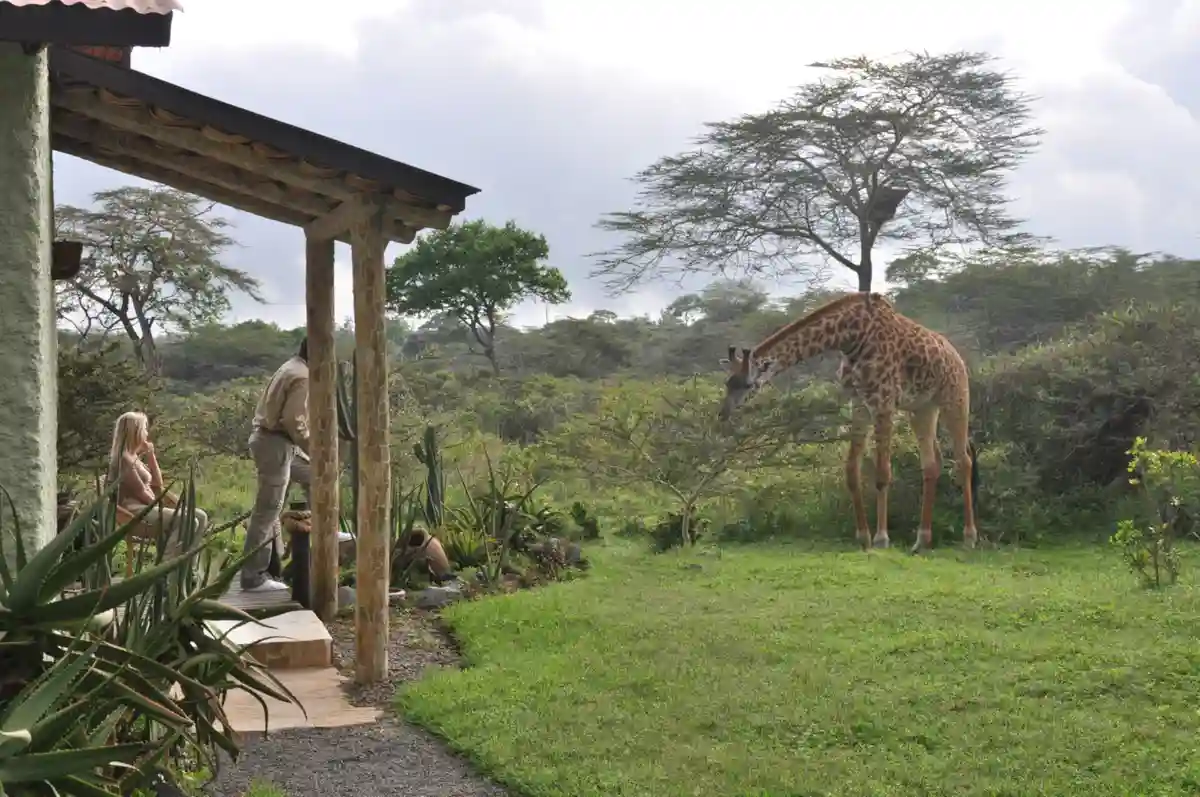
Whether you choose a luxury safari lodge, a cultural tour, bird watching adventure, or a walking safari, every moment inside the Ngorongoro Crater feels unique and memorable.
Final Thoughts
The Ngorongoro Crater remains one of Tanzania’s greatest natural treasures and one of Africa’s most iconic safari destinations. From its volcanic origins to its extraordinary wildlife population and deep cultural significance, the crater delivers an unforgettable travel experience.
For travelers planning a safari in Tanzania, the Ngorongoro Crater deserves a top position on the itinerary. Its beauty, biodiversity, and cultural richness create a destination that truly lives up to its reputation as a natural wonder in the heart of Tanzania.
If you are planning your next African adventure, the Ngorongoro Crater is a destination worth experiencing at least once in a lifetime.
Table of Contents
Feel Free to Get the Latest Updates!
Share Button
Facebook
Twitter
LinkedIn
Pinterest