The Crater That Changes You
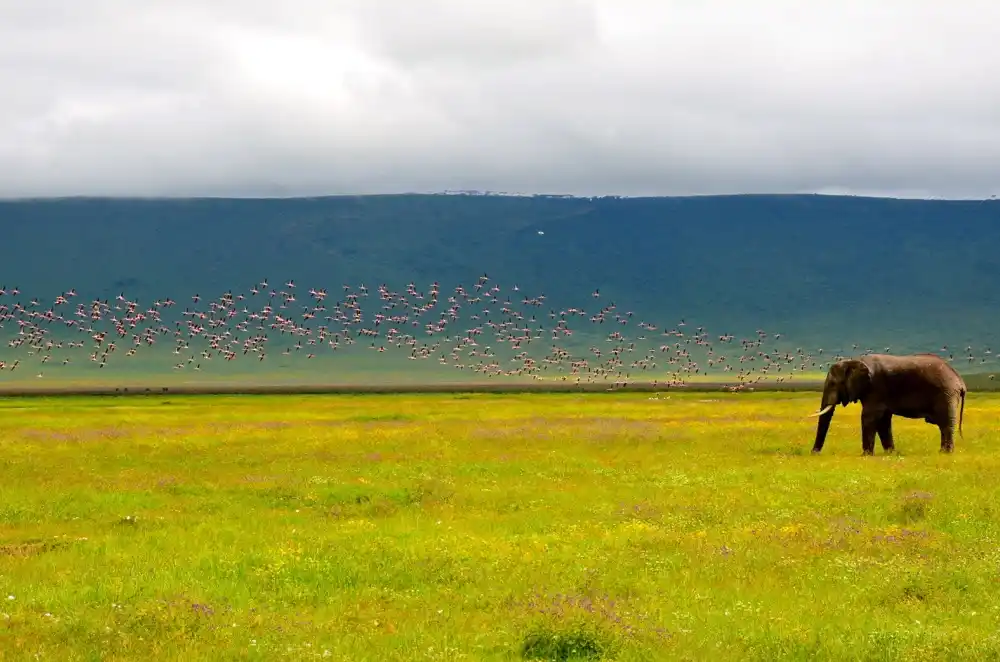
Imagine waking up to the soft hum of nature, the golden rim of the world’s largest intact caldera rising before your eyes. Below, the vast Ngorongoro Crater teems with life: elephants strolling across dew-soaked plains, lions basking in morning light, and flamingos painting the alkaline lake pink. This isn’t just a safari — it’s a spiritual encounter with Earth at its most ancient and alive.
Whether it’s your first time in East Africa or your return to the soul of the wild, this guide offers essential, soul-rich travel advice for exploring Ngorongoro Crater.
Best Time to Visit: June to October (dry season) for wildlife; Jan to March for calving
Where to Stay: Crater rim lodges for views, Karatu for affordability
Entry Permits: Required; check fees and conservation rules
Transport: 4×4 with pop-up roof; drive from Arusha or fly to Manyara airstrip
Packing Must-Haves: Layers, binoculars, insect repellent, waterproof bags
Wildlife is easier to spot as animals gather around scarce water sources.
Pleasant temperatures and minimal rainfall ensure comfortable game drives.
Peak tourist season – book accommodations early to secure the best lodges.
Vibrant greenery and blooming flowers create picturesque scenery.
The calving season (January – February) attracts predators, offering dramatic wildlife encounters.
Best time for birdwatching, as migratory species arrive.
Luxury with a View: Lodges like &Beyond Ngorongoro Crater Lodge perch on the rim, offering unmatched views and early game drive access.
Karatu Comfort: Just outside the conservation area, Karatu offers charming guesthouses, midrange lodges, and a cultural feel.
Camping Options: Budget travelers can find public and special campsites both on the rim and near the crater floor.
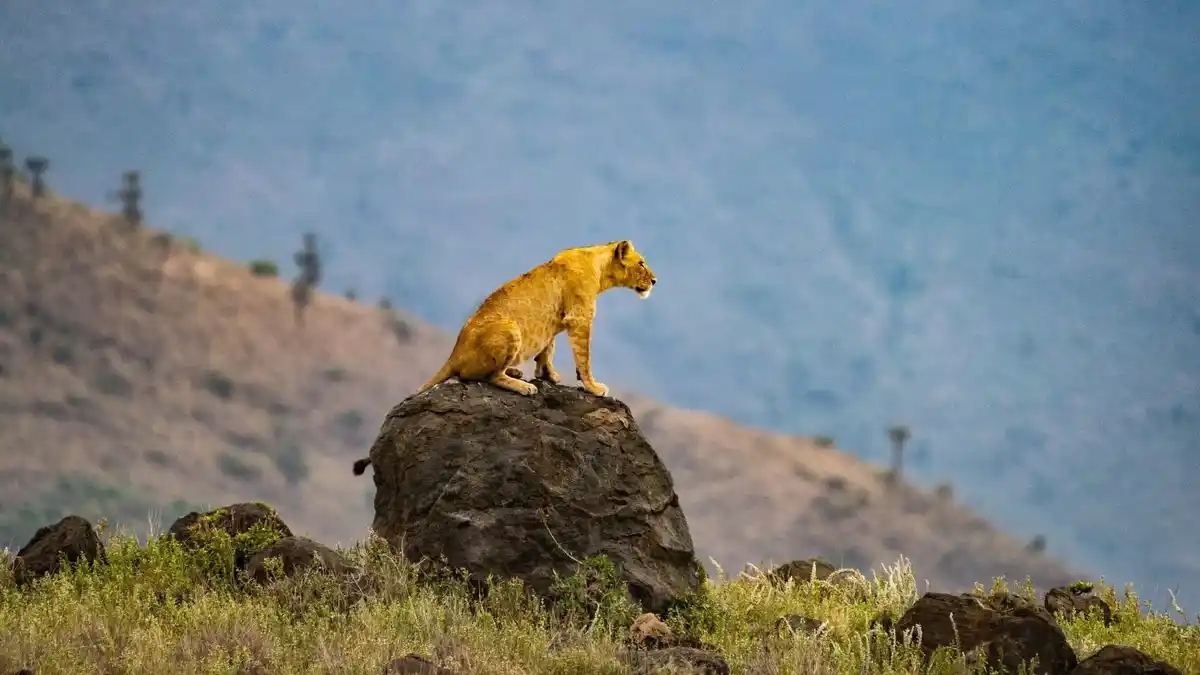
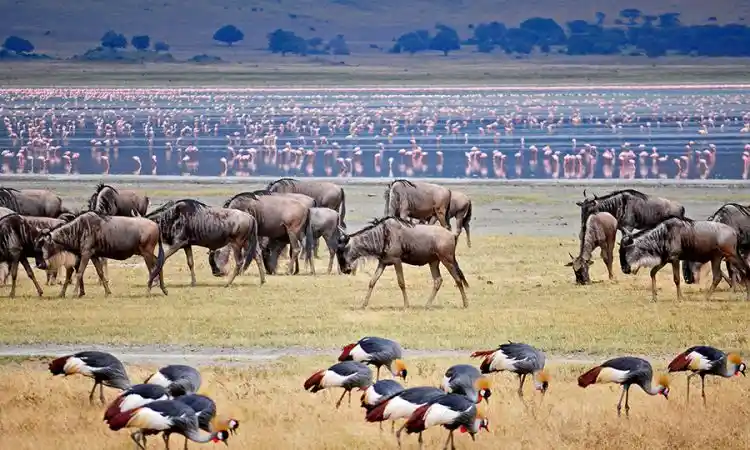
A guided game drive is the best way to explore Ngorongoro Crater’s wildlife-rich caldera. Expect to see lions, elephants, buffaloes, leopards, and rhinos, alongside zebras, hippos, and cheetahs.
For a more immersive experience, opt for a walking safari along the crater rim. This unique adventure offers breathtaking views and a chance to learn about the region’s diverse flora and fauna.
With over 500 bird species, Ngorongoro Crater is a haven for bird lovers. Look out for the striking flamingos at Lake Magadi, colorful sunbirds, and majestic eagles soaring above the plains.
Explore nearby Maasai villages to learn about their fascinating traditions, unique architecture, and deep connection with the land.

Most travelers fly into Kilimanjaro International Airport or Arusha Airport. From Arusha, it’s a 3-4 hour scenic drive to Ngorongoro via the Great Rift Valley. Some prefer to fly into Manyara Airstrip, cutting travel time for luxury packages.
Tour operators often arrange 4×4 vehicles with guides, which is the recommended way to explore the crater due to terrain restrictions.
Ngorongoro Conservation Area is governed by its own authority. Fees vary depending on nationality, age, and vehicle type.
Park Entry Fee: ~$70 per adult per day (non-residents)
Vehicle Fee: Depending on size/type
Guide Requirement: Local certified guide strongly recommended
Time Limit: Game drives limited to specific hours to preserve the ecosystem
The Ngorongoro Conservation Area Authority (NCAA) charges an entry fee, which contributes to wildlife conservation.
Tourists typically need a guide and 4×4 safari vehicle to explore the crater.
Clothing: Lightweight, neutral-colored safari attire, a warm jacket for cool mornings, and sturdy walking shoes.
Sun Protection: Sunscreen, sunglasses, and a wide-brimmed hat.
Binoculars & Camera: Capture stunning landscapes and close-up wildlife encounters.
Insect Repellent: Essential for protection against mosquitoes and other insects.
The crater’s high altitude (2,200m/7,200ft) may cause mild altitude sickness—stay hydrated and take it easy.
Follow conservation rules: No littering, no feeding animals, and respect the natural habitat.
Layered clothing (mornings are cold, afternoons warm)
Wide-brim hat and sunscreen
Binoculars (a must for wildlife viewing)
Camera with zoom lens
Rain jacket (especially in green season)
Refillable water bottle
Travel insurance and passport copies
Be silent at sightings — it enhances the moment and respects the animals
Avoid standing or shouting in vehicles
Stay in designated areas
Sunrise drives are ideal for catching lions and hyenas on the move
Keep a respectful distance from animals
Want a quieter crater experience? Visit in April, May, or November. These are low-tourist months with discounted lodging and lush scenery. Early morning game drives also help you avoid crowds and catch animals at their most active.
Crater Rim Hikes with Maasai guides
Hot-Air Balloon Rides over the plains (offered nearby in Ndutu/South Serengeti)
Cultural Visits to Maasai bomas
Combine with Serengeti, Tarangire, or Lake Eyasi for a full Northern Circuit safari
A trip to Ngorongoro Crater is a once-in-a-lifetime safari experience. Whether you’re coming for the legendary Big Five, the stunning landscapes, or the deep-rooted Maasai culture, this destination promises unforgettable memories.
For more Ngorongoro Crater travel advice, itineraries, and exclusive safari deals, stay connected with us and plan your ultimate adventure today!
Unlock the door to Tanzania’s breathtaking marvels with us. Our tailored tours offer an exclusive gateway to the heart of Africa’s treasures. Immerse yourself in the untamed beauty of the Serengeti, the cultural richness of local communities, and the pristine shores of Zanzibar. Each journey is crafted to resonate with your wanderlust, ensuring that every step you take in this enchanting land becomes a memory you’ll treasure forever.
FIF Tours and Travel
Typically replies within minutes
Any questions related to Travel Advice?
WhatsApp Us
🟢 Online | Privacy policy
WhatsApp us