Use this list with us or anyone else. A good operator answers all of it plainly.
How hard is Kilimanjaro?
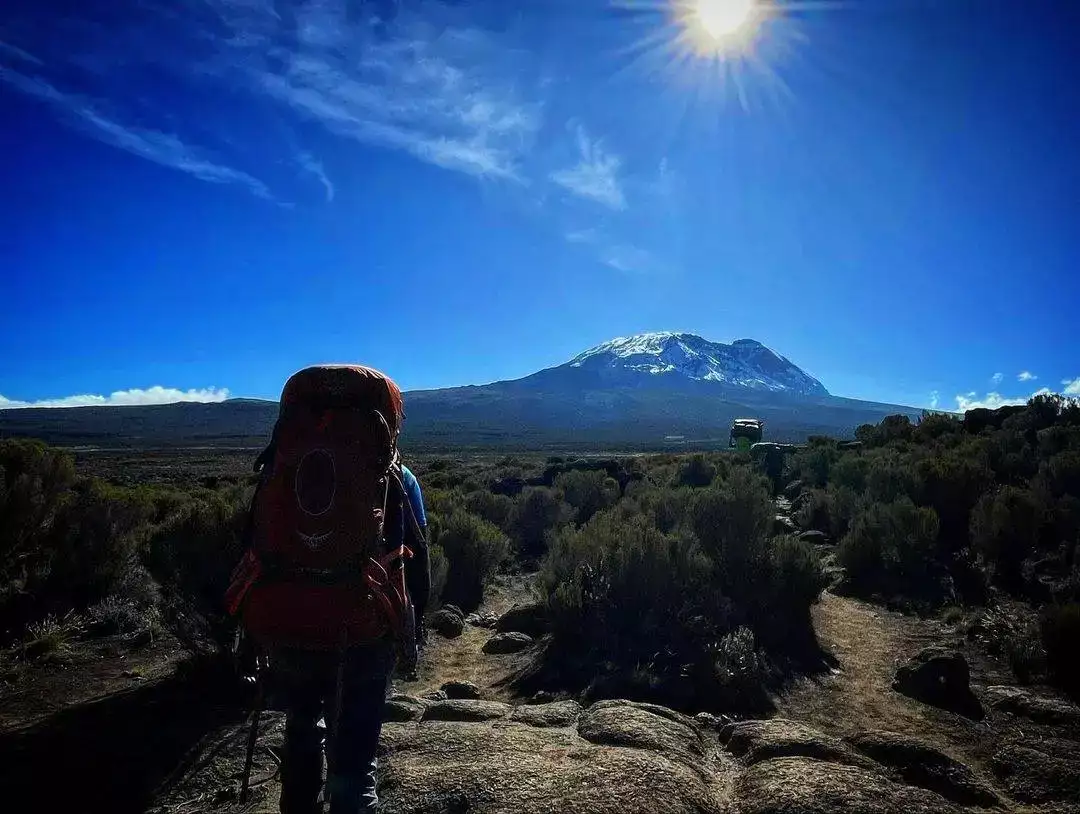
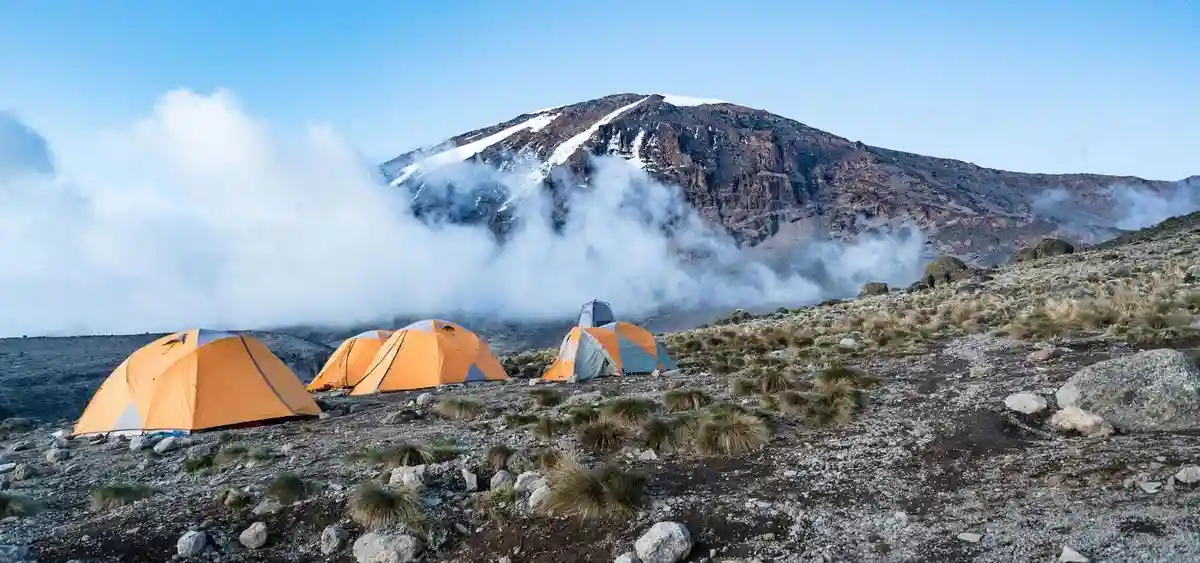
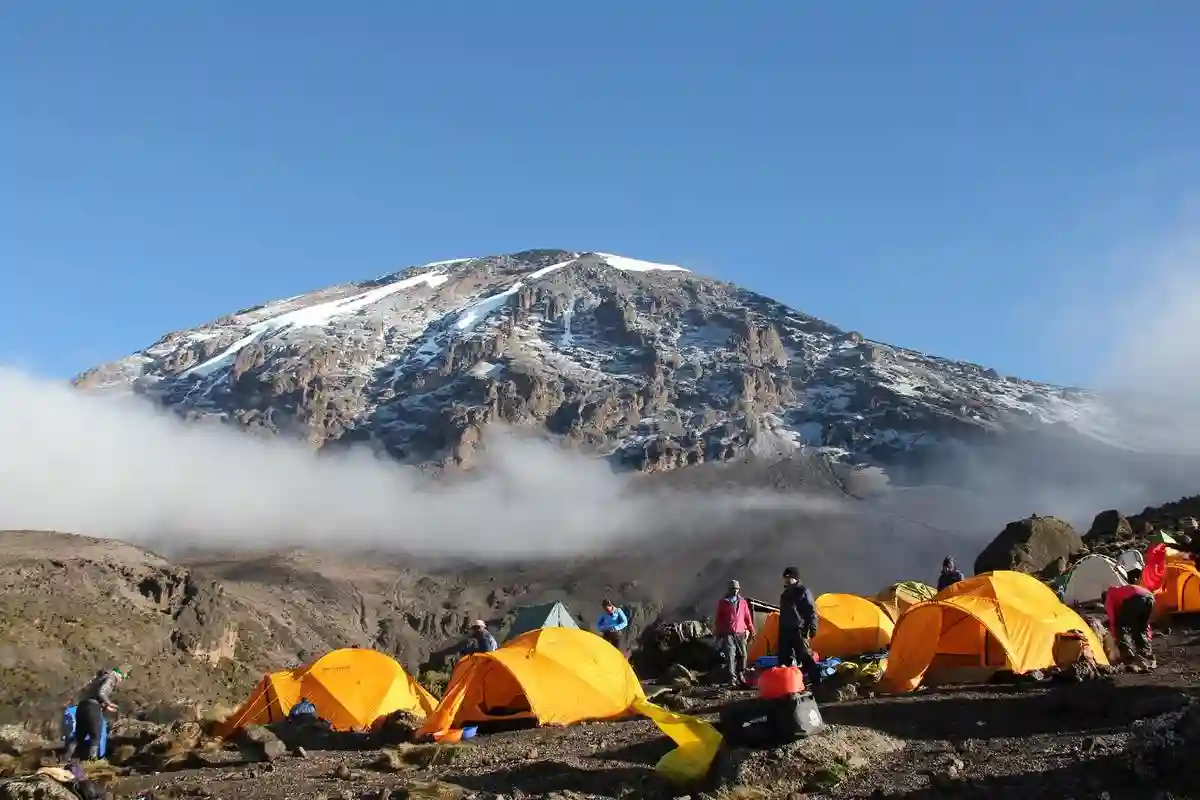
There is no climbing: it is a long, steady walk at altitude. What makes it hard is the thin air, the cold summit night and the length of the days. Fitness helps, but the biggest factor is how slowly you go and how many days you give your body to adapt.
What are the chances of reaching the top?
It depends mostly on the route length. Seven to nine day routes are commonly quoted at 85 to 95 percent, and five-day routes noticeably lower. Nobody can promise the summit, and a good guide will turn you around if it is not safe.
What is altitude sickness and how do I avoid it?
It is your body struggling to adapt to less oxygen: headache, nausea, poor sleep. You lower the risk by choosing a longer route, walking slowly, drinking well, and sleeping lower than your highest point of the day. If symptoms get worse, you go down. That is the one rule that never changes.
Which month is best?
January to March and June to October are the dry seasons. July to September are the clearest and busiest; February and the shoulder months are quieter. April, May and November are the rains.
Can children or older people climb?
The park sets a minimum age of 10. Older hikers do very well on longer routes, and we would pick a slower, longer route and ask for a doctor’s opinion first. For young children, look at Meru, the day hike or the hot-spring walk instead.
Which trek should I start with?
If you are new to altitude, Mount Meru or a longer Kilimanjaro route are the usual choices, and the day hikes and village walks need no experience at all. Tell us how much time and fitness you have and we will suggest one.
Do I need to be an experienced hiker?
No technical skill is needed. You do need to be comfortable walking for 6 to 8 hours with a day pack, and to have trained for it. Use the readiness check on this page to see where you stand.