New Ndutu Calving Season 2027: Safari Guide and Black Friday Offers Read more →

Home › Trekking in Tanzania

Every mountain, trail and walk worth doing

Trekking in Tanzania

From Kilimanjaro and Mount Meru to the Usambara hills, the Southern Highlands and the chimpanzee forests of Lake Tanganyika. Check your fitness first, then pick the trek that fits you.

  • 14mountains and trails
  • 5,895 mUhuru Peak
  • 7summit routes compared
  • $1,189treks start from, per person

Mountains and trails across Tanzania

Kilimanjaro is the headline, but the whole country is walking territory: volcanoes, crater rims, misty hills and chimpanzee forests. Mix them for a longer trip, or use one to prepare for the big climb.

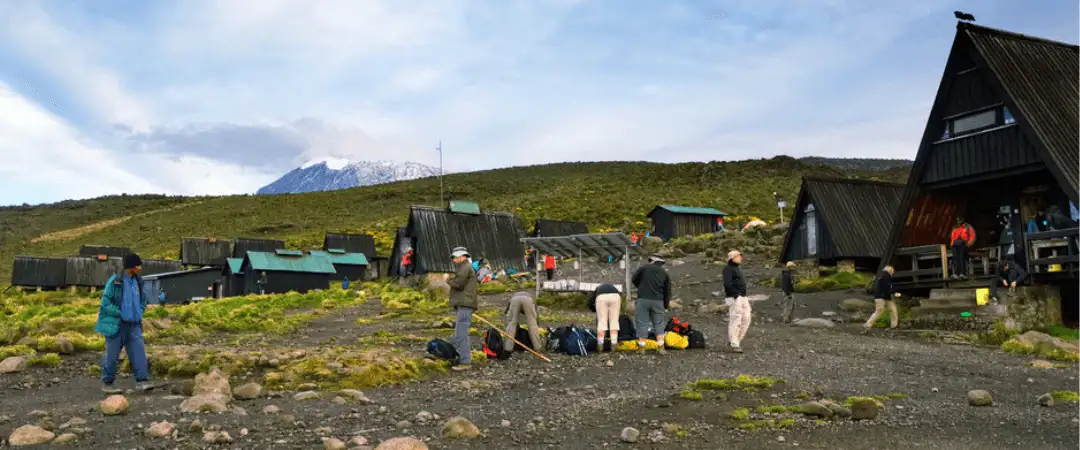
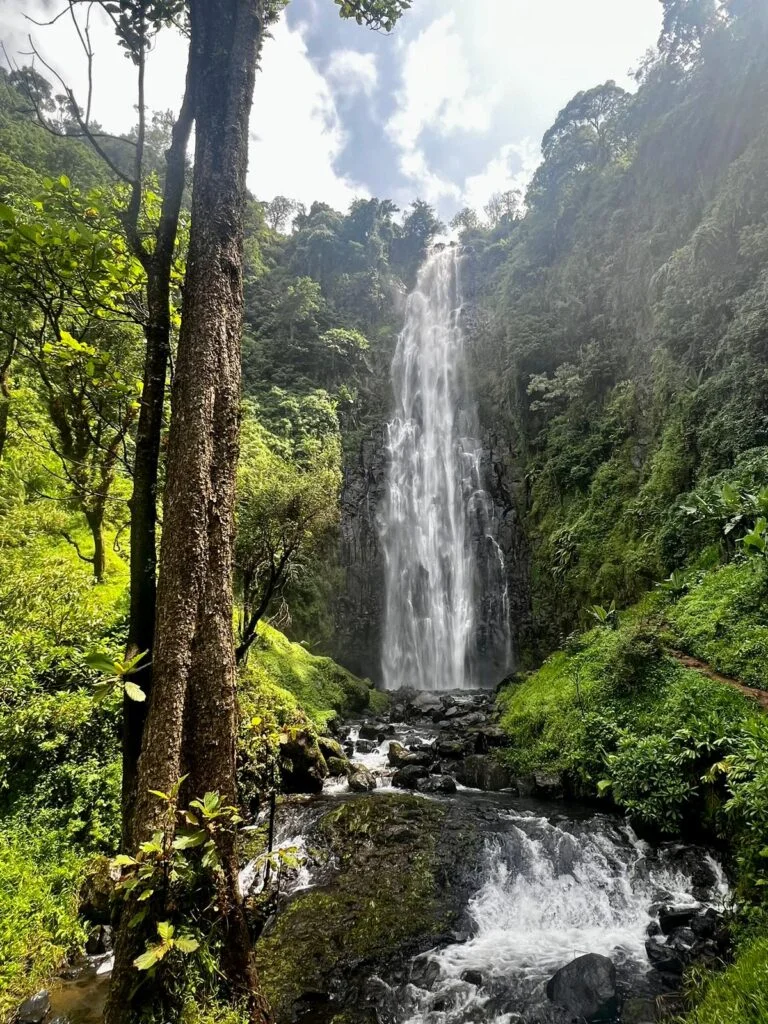
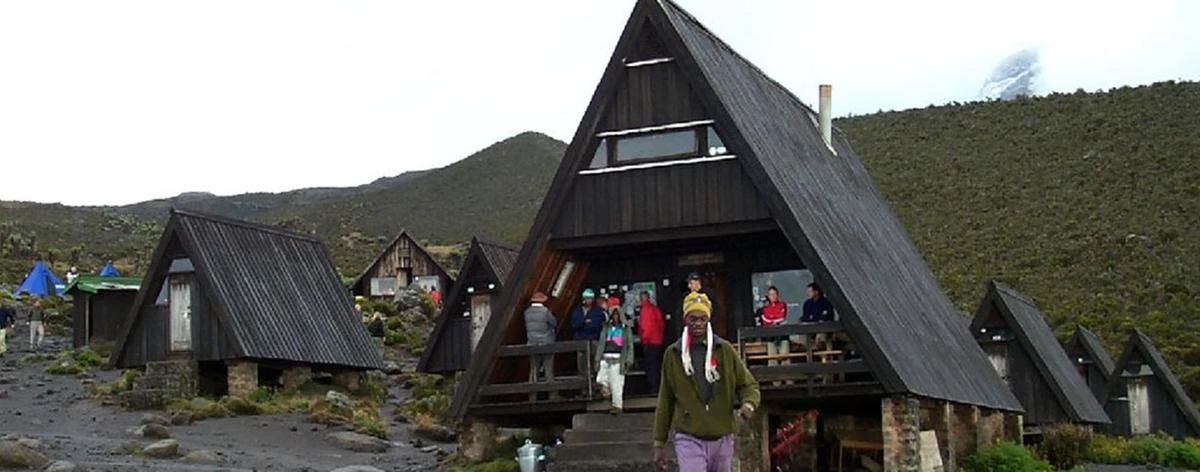
Scenic views along the 5-Day Kilimanjaro Marangu Route.Mount Hanang Moderate 1–2 days.Mount Hanang

ABOUT 3,417 M · MANYARA REGION

Mount Hanang

Tanzania’s fourth-highest mountain, rising alone from the plains near Katesh. A steady walk through farmland and forest to the crater rim, with far views in every direction.

Good for Strong walkers who want a high summit without the crowds.

Best months Jun–Oct, Jan–Feb

Let's make your holiday special

Heights are approximate and conditions change with the season. We confirm every detail when you enquire.

Kilimanjaro: pick your way up

Same mountain, very different walks. Longer routes give your body more time to adapt, which is the single biggest reason people reach the top.

* Typical summit rates quoted by operators for the longer version of each route. They are a guide, not a promise: weather, health and pace decide on the day.

Compare the routes side by side

LemoshoMachameNorthern CircuitRongaiMaranguUmbweMount Meru
Days7–86–796–75–65–63–4
SleepingCampingCampingCampingCampingHutsCampingHuts
Start height2,100 m1,640 m2,100 m1,950 m1,880 m1,600 m1,500 m
Summit rate*~90%~75%~95%~80%~65%~60%~80%
Challenge
Scenery
Quiet trail
Adapts well
Watch out forThe most expensive of the common routes because of the extra days and the long drive to the gate.Busy on the trail and at camp. The 6-day version is quick; the 7-day version is the one we would choose.Nine days off work and the highest cost. The last camp before the summit is a big jump.You come down the busier Marangu side, so the scenery is a little less varied.Up and down the same path, busy, and the quick climb makes altitude the main risk. Always take the rest day.We do not recommend it for a first Kilimanjaro. Poor adaptation if done in 5 days.Steep and exposed near the top, and a big jump up to Saddle Hut. Do not treat it as an easy walk.

Our trekking itineraries

Day-by-day plans with prices. Tap one for the full itinerary, or ask us to tailor it.

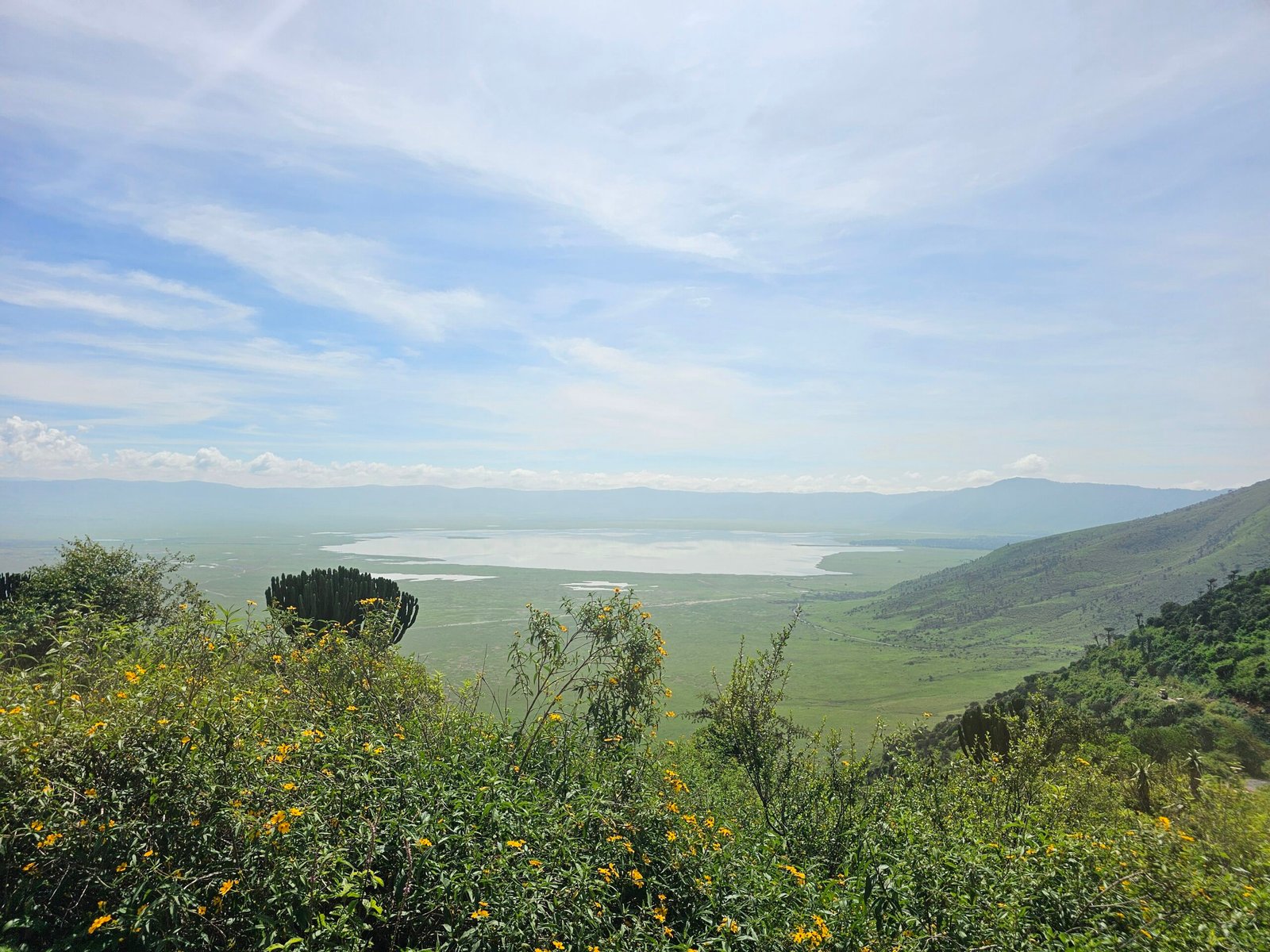
Ngorongoro’s Cultural and Historical Significance 3-Day Budget Cultural Tour (Lake Manyara NP, Lake Eyasi & Ngorongoro Crater) Budget 3 days.Lake Manyara National Park

3 DAYS · Lake Manyara National Park · Ngorongoro Crater · Lake Eyasi

3-Day Budget Cultural Tour (Lake Manyara NP, Lake Eyasi & Ngorongoro Crater)

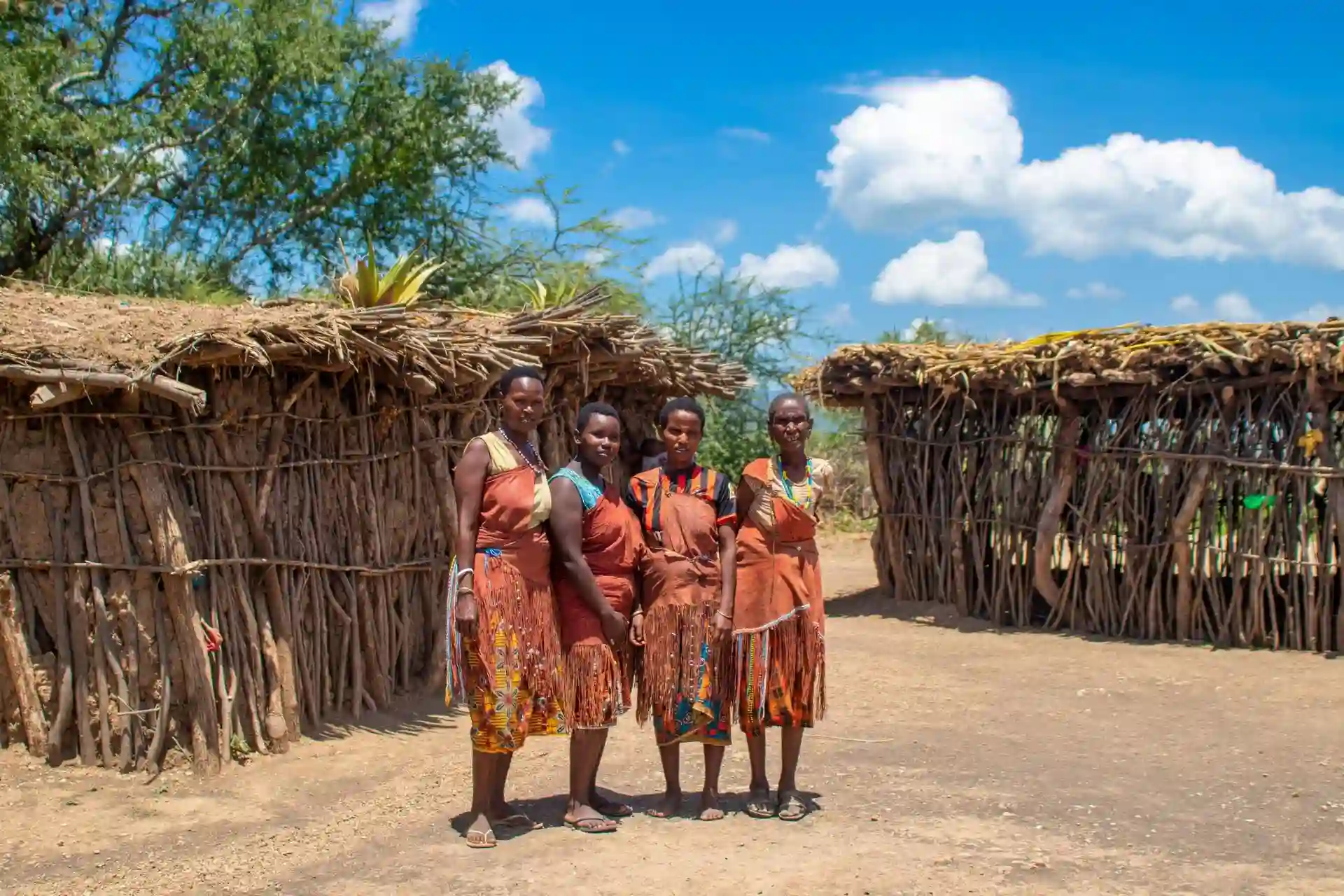
Manyara, the Hadzabe and Datoga, then the crater

  • Jan: good. Lake Manyara National Park: Explore a compact yet diverse park known for tree-climbing lions and birdlife. Ngorongoro Crater: Explore the Ngorongoro Crater, a natural enclosure teeming with diverse wildlife.
  • Feb: good. Ngorongoro Crater: Explore the world's largest intact volcanic caldera, home to diverse wildlife.
  • Mar: prime time. Lake Manyara National Park: Delve into Lake Manyara's bird-watching paradise in April. Ngorongoro Crater: Explore the unique caldera teeming with wildlife. Lake Eyasi: Immerse in the culture of Hadzabe and Datoga tribes.
  • Apr: prime time. Lake Manyara National Park: Delve into bird-watching paradise amid green landscapes. Ngorongoro Crater: Spot the Big Five in the Ngorongoro Crater, surrounded by a lush ecosystem. Lake Eyasi: Experience authentic cultural encounters with the Hadzabe and Datoga tribes in April.
  • May: prime time. Lake Manyara National Park: Enjoy bird-watching amidst lush greenery. Ngorongoro Crater: Experience Big Five encounters in a unique crater. Lake Eyasi: Explore authentic Hadzabe and Datoga tribal cultures.
  • Jun: good. Lake Manyara National Park: Experience prime bird-watching and tree-climbing lions. Ngorongoro Crater: June is perfect for spotting the Big Five in the Ngorongoro Crater. Lake Eyasi: Experience authentic cultural encounters with the Hadzabe and Datoga tribes.
  • Jul: good. Lake Manyara National Park: Witness diverse birdlife, tree-climbing lions, and lush greenery. Ngorongoro Crater: July is ideal for spotting the Big Five in the Ngorongoro Crater. Lake Eyasi: Immerse in authentic cultural experiences with the Hadzabe and Datoga tribes.
  • Aug: good. Lake Manyara National Park: September creates a bird-watching paradise with abundant species. Ngorongoro Crater: Experience the Big Five and breathtaking crater views. Lake Eyasi: Immerse in cultural experiences with the Hadzabe and Datoga tribes.
  • Sep: good. Lake Manyara National Park: October maintains Lake Manyara's status as a bird-watching paradise with lush vegetation. Ngorongoro Crater: Encounter the Big Five in the Ngorongoro Crater amid comfortable conditions. Lake Eyasi: Immerse in authentic cultural experiences with the Hadzabe and Datoga tribes.
  • Oct: good. Lake Manyara National Park: November transforms Lake Manyara into a bird-watching haven with lush vegetation. Ngorongoro Crater: October continues to provide remarkable opportunities for Big Five sightings in the Ngorongoro Crater. Lake Eyasi: Immerse in authentic cultural experiences with the Hadzabe and Datoga tribes in October.
  • Nov: good. Lake Manyara National Park: December keeps Lake Manyara as a birder's paradise with flourishing vegetation. Ngorongoro Crater: November invites you to encounter the Big Five in the Ngorongoro Crater. Lake Eyasi: Immerse in authentic cultural experiences with the Hadzabe and Datoga tribes.
  • Dec: good. Ngorongoro Crater: December invites you to spot the Big Five in the Ngorongoro Crater amid mild weather. Lake Eyasi: December is ideal for authentic cultural experiences with the Hadzabe and Datoga tribes.
From $1,189per person View itinerary
Let's make your holiday special
Ngorongoro’s Cultural and Historical Significance 3-Day Mid-Range Cultural Tour (Lake Manyara NP, Lake Eyasi & Ngorongoro Crater) Mid Range 3 days.Lake Manyara National Park

3 DAYS · Lake Manyara National Park · Ngorongoro Crater · Lake Eyasi

3-Day Mid-Range Cultural Tour (Lake Manyara NP, Lake Eyasi & Ngorongoro Crater)

Manyara, the Hadzabe and Datoga, then the crater

  • Jan: good. Lake Manyara National Park: Explore a compact yet diverse park known for tree-climbing lions and birdlife. Ngorongoro Crater: Explore the Ngorongoro Crater, a natural enclosure teeming with diverse wildlife.
  • Feb: good. Ngorongoro Crater: Explore the world's largest intact volcanic caldera, home to diverse wildlife.
  • Mar: prime time. Lake Manyara National Park: Delve into Lake Manyara's bird-watching paradise in April. Ngorongoro Crater: Explore the unique caldera teeming with wildlife. Lake Eyasi: Immerse in the culture of Hadzabe and Datoga tribes.
  • Apr: prime time. Lake Manyara National Park: Delve into bird-watching paradise amid green landscapes. Ngorongoro Crater: Spot the Big Five in the Ngorongoro Crater, surrounded by a lush ecosystem. Lake Eyasi: Experience authentic cultural encounters with the Hadzabe and Datoga tribes in April.
  • May: prime time. Lake Manyara National Park: Enjoy bird-watching amidst lush greenery. Ngorongoro Crater: Experience Big Five encounters in a unique crater. Lake Eyasi: Explore authentic Hadzabe and Datoga tribal cultures.
  • Jun: good. Lake Manyara National Park: Experience prime bird-watching and tree-climbing lions. Ngorongoro Crater: June is perfect for spotting the Big Five in the Ngorongoro Crater. Lake Eyasi: Experience authentic cultural encounters with the Hadzabe and Datoga tribes.
  • Jul: good. Lake Manyara National Park: Witness diverse birdlife, tree-climbing lions, and lush greenery. Ngorongoro Crater: July is ideal for spotting the Big Five in the Ngorongoro Crater. Lake Eyasi: Immerse in authentic cultural experiences with the Hadzabe and Datoga tribes.
  • Aug: good. Lake Manyara National Park: September creates a bird-watching paradise with abundant species. Ngorongoro Crater: Experience the Big Five and breathtaking crater views. Lake Eyasi: Immerse in cultural experiences with the Hadzabe and Datoga tribes.
  • Sep: good. Lake Manyara National Park: October maintains Lake Manyara's status as a bird-watching paradise with lush vegetation. Ngorongoro Crater: Encounter the Big Five in the Ngorongoro Crater amid comfortable conditions. Lake Eyasi: Immerse in authentic cultural experiences with the Hadzabe and Datoga tribes.
  • Oct: good. Lake Manyara National Park: November transforms Lake Manyara into a bird-watching haven with lush vegetation. Ngorongoro Crater: October continues to provide remarkable opportunities for Big Five sightings in the Ngorongoro Crater. Lake Eyasi: Immerse in authentic cultural experiences with the Hadzabe and Datoga tribes in October.
  • Nov: good. Lake Manyara National Park: December keeps Lake Manyara as a birder's paradise with flourishing vegetation. Ngorongoro Crater: November invites you to encounter the Big Five in the Ngorongoro Crater. Lake Eyasi: Immerse in authentic cultural experiences with the Hadzabe and Datoga tribes.
  • Dec: good. Ngorongoro Crater: December invites you to spot the Big Five in the Ngorongoro Crater amid mild weather. Lake Eyasi: December is ideal for authentic cultural experiences with the Hadzabe and Datoga tribes.
From $1,189per person View itinerary
Let's make your holiday special

The readiness lab

Five quick tools to judge your own fitness, choose a route, understand altitude and get packed. Nothing is stored or sent unless you choose to message us.

A 3-minute step test you can do at home

  1. Find a sturdy step or bench about 30 cm (12 in) high.
  2. Step up and down at a steady beat of 24 steps a minute (up-up-down-down) for 3 minutes. Set a metronome to 96 beats.
  3. Stop, sit down at once, and count your pulse for one full minute.
  4. Enter your age and that pulse below.

This is a rough self-check of how fast you recover, not a medical test. Stop if you feel dizzy, faint or have chest pain.

How to judge any trek operator

Use this list with us or anyone else. A good operator answers all of it plainly.

  • How many days is the route? Seven or more for Kilimanjaro gives far better odds than five.
  • Do guides check oxygen and pulse every day? A pulse oximeter morning and night is standard, and guides should be trained in altitude illness.
  • Is there emergency oxygen and a rescue plan? Ask exactly who carries it and how a descent works.
  • How are porters treated and paid? Look for fair wages, weight limits, proper gear and a clear tipping guide.
  • What is the group size and guide ratio? Small groups with a guide for every few hikers let the pace match each person.
  • Is the licence real? Ask for the operator’s Tanzanian licence and check it.

Questions we hear most

How hard is Kilimanjaro?

There is no climbing: it is a long, steady walk at altitude. What makes it hard is the thin air, the cold summit night and the length of the days. Fitness helps, but the biggest factor is how slowly you go and how many days you give your body to adapt.

What are the chances of reaching the top?

It depends mostly on the route length. Seven to nine day routes are commonly quoted at 85 to 95 percent, and five-day routes noticeably lower. Nobody can promise the summit, and a good guide will turn you around if it is not safe.

What is altitude sickness and how do I avoid it?

It is your body struggling to adapt to less oxygen: headache, nausea, poor sleep. You lower the risk by choosing a longer route, walking slowly, drinking well, and sleeping lower than your highest point of the day. If symptoms get worse, you go down. That is the one rule that never changes.

Which month is best?

January to March and June to October are the dry seasons. July to September are the clearest and busiest; February and the shoulder months are quieter. April, May and November are the rains.

Can children or older people climb?

The park sets a minimum age of 10. Older hikers do very well on longer routes, and we would pick a slower, longer route and ask for a doctor’s opinion first. For young children, look at Meru, the day hike or the hot-spring walk instead.

Which trek should I start with?

If you are new to altitude, Mount Meru or a longer Kilimanjaro route are the usual choices, and the day hikes and village walks need no experience at all. Tell us how much time and fitness you have and we will suggest one.

Do I need to be an experienced hiker?

No technical skill is needed. You do need to be comfortable walking for 6 to 8 hours with a day pack, and to have trained for it. Use the readiness check on this page to see where you stand.

Talk to a guide

Tell us your dates, your fitness and who is coming. We reply with a route, a plan and a price, usually within a few hours.

Ask us on WhatsApp