
Jozani Chwaka Bay, nestled within the enchanting landscapes of Zanzibar, offers a mesmerizing blend of pristine beaches, lush mangrove forests, and diverse wildlife. Planning your visit to this coastal gem requires careful consideration of the best time to experience its beauty and vibrant ecosystem.
Factors to Consider for Your Trip
Before embarking on your journey to Jozani Chwaka Bay, there are several key factors to take into account to ensure a memorable and fulfilling experience.

Seasonal Variations
Understanding the seasonal variations in weather and wildlife activity is crucial for planning your trip to Jozani Chwaka Bay. Zanzibar experiences two distinct seasons: the dry season and the wet season.
During the dry season, which typically spans from June to October, the weather is characterized by clear skies, sunny days, and minimal rainfall. This makes it an ideal time to visit Jozani Chwaka Bay for outdoor activities such as hiking, birdwatching, and beach exploration. Additionally, wildlife sightings are more frequent during this time as animals gather around water sources, offering excellent opportunities for photography and wildlife observation.

Conversely, the wet season, extending from November to May, brings occasional showers and higher humidity levels to the region. While the lush vegetation becomes even more vibrant during this time, heavy rainfall can disrupt outdoor activities and limit wildlife sightings. However, the wet season also coincides with the birthing season for many species, presenting unique opportunities to witness adorable baby animals in their natural habitat.
Weather Conditions
The weather plays a significant role in determining the best time to visit Jozani Chwaka Bay. During the dry season, temperatures are pleasantly warm, ranging from 25°C to 30°C (77°F to 86°F), making it comfortable for outdoor exploration and water-based activities. In contrast, the wet season brings higher humidity levels and occasional downpours, so it’s essential to pack appropriate rain gear and plan indoor activities as backups.
Wildlife Behavior
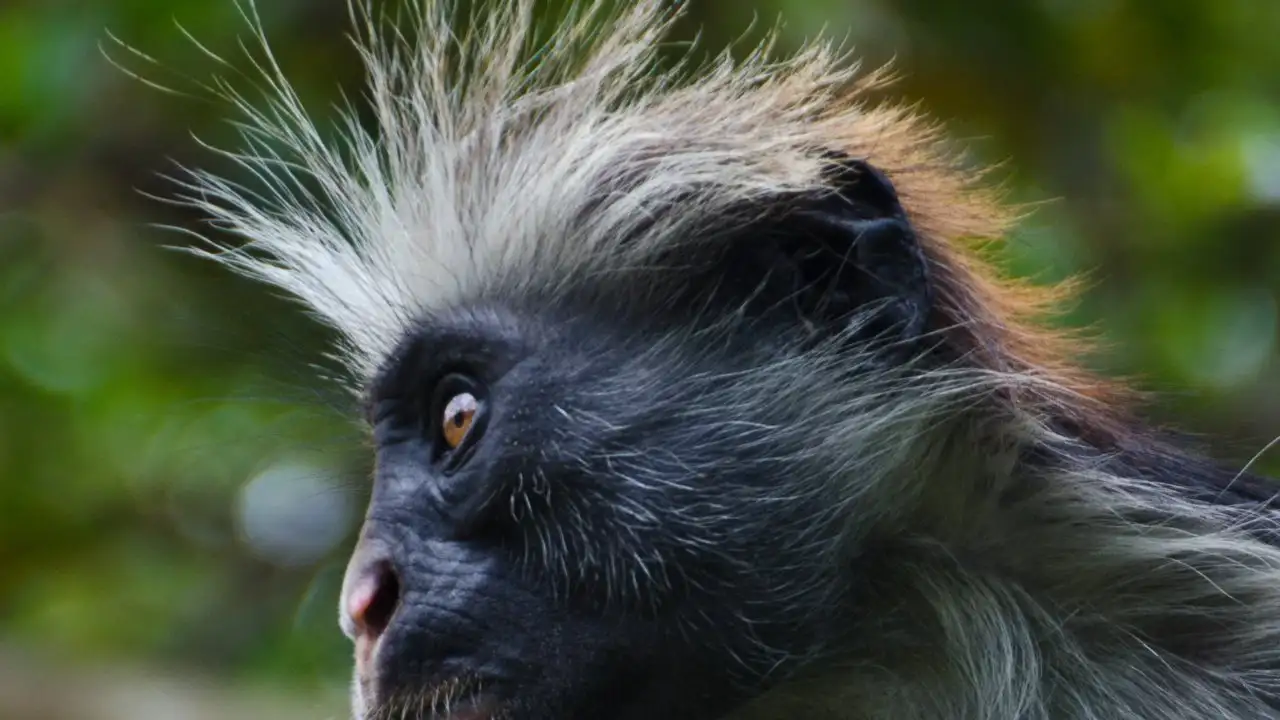
Jozani Chwaka Bay is renowned for its diverse array of wildlife, including the iconic Zanzibar red colobus monkey, which is endemic to the island. Understanding the behavior patterns of these species can enhance your wildlife viewing experience. During the dry season, animals are more active during the cooler mornings and evenings, while seeking shade and shelter during the midday heat. In contrast, the wet season offers opportunities to observe different behaviors, such as mating rituals and parental care.
Crowd Levels
Consideration of crowd levels is crucial for those seeking a more tranquil and immersive experience at Jozani Chwaka Bay. The dry season tends to attract more tourists, especially during peak months like July and August. Therefore, travelers seeking a quieter atmosphere may prefer visiting during the shoulder seasons of May–June or September-October when crowds are thinner, and accommodation prices are more affordable.

Conclusion:
In conclusion, the best time to visit Jozani Chwaka Bay depends on your preferences and priorities. Whether you prefer sunny skies and abundant wildlife sightings during the dry season or lush landscapes and fewer crowds during the wet season, each season offers its unique charm and allure. By considering these factors and planning accordingly, you can ensure a memorable and rewarding experience at this captivating destination.
Unlock the door to Tanzania’s breathtaking marvels with us. Our tailored tours offer an exclusive gateway to the heart of Africa’s treasures. Immerse yourself in the untamed beauty of the Serengeti, the cultural richness of local communities, and the pristine shores of Zanzibar. Each journey is crafted to resonate with your wanderlust, ensuring that every step you take in this enchanting land becomes a memory you’ll treasure forever.
FIF Tours and Travel
Typically replies within minutes
Any questions related to When to go?
WhatsApp Us
🟢 Online | Privacy policy
WhatsApp us