3-Day Budget Tanzania (Serengeti) Safari
- Jan: good
- Feb: good
- Mar: good
- Apr: prime time
- May: prime time
- Jun: good
- Jul: good
- Aug: good
- Sep: good
- Oct: good
- Nov: prime time
- Dec: prime time

Imagine standing in the middle of an endless African plain, watching thousands of wildebeest move across the grasslands while lions rest beneath distant acacia trees. In the background, the sounds of birds fill the air, and the African sun slowly disappears beyond the horizon.
This is the experience that makes Serengeti National Park one of the most extraordinary safari destinations in the world.
Located in northern Tanzania, Serengeti takes its name from the Maasai word Siringet, meaning “endless plains.” The name perfectly describes its vast open landscapes, rolling grasslands, rocky outcrops, and remarkable wildlife populations.
The park is internationally famous for the Great Wildebeest Migration, an annual movement involving more than two million wildebeest, alongside hundreds of thousands of zebras and gazelles. However, the migration is only one part of what makes this destination special.
From incredible predator sightings and birdwatching opportunities to ancient cultural heritage and spectacular sunsets, Serengeti offers experiences throughout the year.
Whether you are planning your first African safari, a photography expedition, or a longer Tanzania holiday, this guide covers everything you need to know before visiting Serengeti National Park.
Before planning your visit, here are some important facts about the park.
| Feature | Information |
|---|---|
| Location | Northern Tanzania |
| Maasai Name | Siringet |
| Meaning | Endless Plains |
| Park Size | Approximately 27,000 km² |
| Greater Ecosystem | Approximately 30,000 km² |
| Famous For | Great Wildebeest Migration |
| Main Wildlife | Lions, elephants, leopards, cheetahs, wildebeest and zebras |
| Birdlife | More than 500 recorded species |
| Best General Wildlife Viewing | June – October |
| Calving Season | January – March |
| Landscape | Grasslands, woodlands, hills and riverine forests |
Here are some of the experiences that make the park particularly attractive to travellers:
One of the biggest reasons travellers visit Serengeti is the Great Wildebeest Migration.
Every year, more than two million wildebeest, accompanied by approximately 900,000 Thomson’s gazelles and 300,000 zebras, move across the Serengeti ecosystem in search of fresh grass and water.
This is not a single event that happens in one location. It is a continuous journey influenced by rainfall, grazing conditions, and the changing seasons.
The migration follows a circular route of approximately 1,000 kilometres through northern Tanzania and southwestern Kenya, creating different wildlife experiences throughout the year.
Wildebeest Calving Season
Between January and March, the southern Serengeti and Ndutu region become important calving grounds. Hundreds of thousands of wildebeest calves are born during this period.
It is also an excellent time to observe predator activity, as lions, cheetahs, hyenas, and other carnivores take advantage of the abundance of young animals.
Grumeti River Crossing
Around June and July, migrating herds move through the western Serengeti towards the Grumeti River. Crossing the river exposes the animals to crocodiles and other natural dangers.
Mara River Crossing
Between August and October, parts of the migration reach the northern Serengeti, where the herds attempt to cross the Mara River towards Kenya’s Maasai Mara.
These crossings are unpredictable. Animals may gather along the riverbanks before attempting to cross, so patience is important when planning this experience.
| Migration Experience | Approximate Period | Main Location |
|---|---|---|
| Wildebeest Calving | January – March | Southern Serengeti / Ndutu |
| Movement Towards the West | April – June | Central and Western Serengeti |
| Grumeti River Crossing | June – July | Western Serengeti |
| Mara River Crossing | August – October | Northern Serengeti |
| Return Towards Southern Plains | November – December | Central and Southern Serengeti |
Important: Migration dates are approximate. The actual movement depends on rainfall and grazing conditions, so sightings cannot be guaranteed on specific dates.
Serengeti is not simply a destination of endless grasslands. Its geography changes considerably from one region to another, creating different habitats for wildlife.
The park’s major regions include the Serengeti Plains, Western Corridor, and Northern Serengeti.
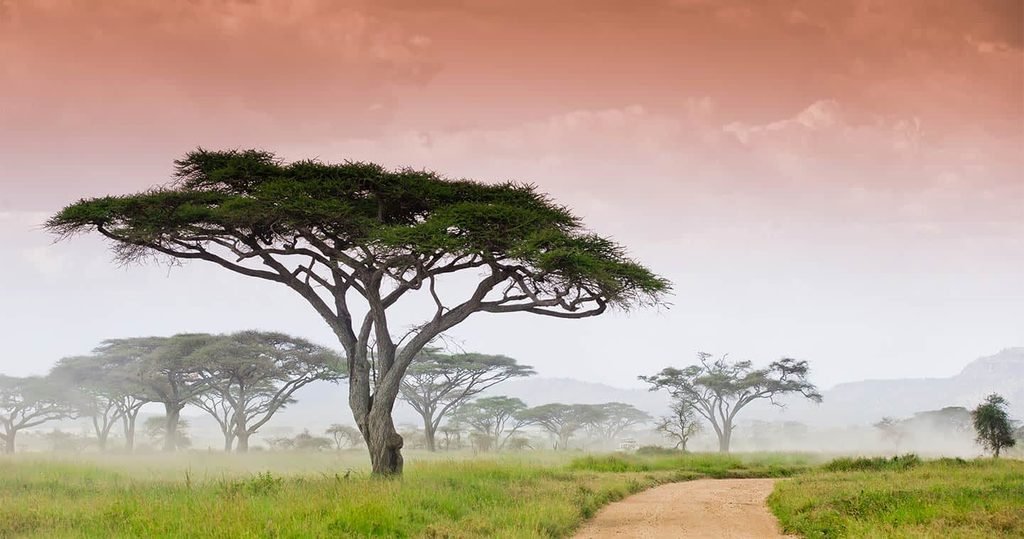
The open plains are among the most recognisable landscapes in Tanzania. They provide extensive grazing grounds for wildebeest, zebras, and gazelles.
Because of the relatively open terrain, visitors often have excellent opportunities to observe wildlife from a distance.
The Western Corridor is characterised by riverine forests, woodlands, and grasslands. The Grumeti River is one of its most important natural features and a significant location during the Great Migration.
Northern Serengeti features rolling hills, river systems, and rocky landscapes. It is particularly popular during the Mara River crossing season.
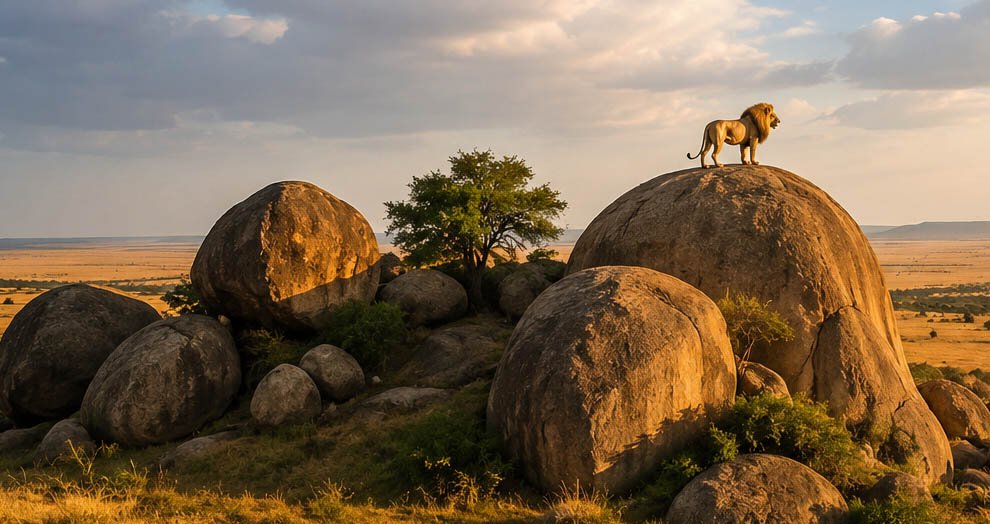
Kopjes are isolated granite rock formations scattered across the Serengeti plains.
These rocky outcrops provide shelter and resting places for different animals. They are also favourite observation points for predators, particularly lions, which use elevated positions to watch the surrounding grasslands.
The combination of open plains, rocky formations, rivers, and woodlands makes Serengeti an important habitat for an extraordinary range of wildlife.
Serengeti is home to an impressive variety of mammals, reptiles, and birds. Its different habitats support both resident and migratory wildlife, making almost every safari drive an opportunity for discovery.
One of the most exciting safari experiences is searching for Africa’s Big Five.
| Animal | What Makes It Special |
|---|---|
| Lion | One of Africa’s most iconic predators, often seen resting or hunting in prides. |
| Leopard | A secretive big cat frequently found resting in trees or rocky areas. |
| African Elephant | The largest land mammal, often seen moving through woodlands and open plains. |
| African Buffalo | Powerful herd animals that can be encountered in large groups. |
| Black Rhinoceros | A rare and protected species that requires patience and luck to spot. |
Although all five species are associated with the Serengeti ecosystem, sightings are never guaranteed.
Beyond the Big Five, visitors may encounter:
The following figures are estimates included in the supplied wildlife information.
| Wildlife Species | Estimated Population |
|---|---|
| Blue Wildebeest | 2,000,000 |
| Thomson’s Gazelles | 900,000 |
| Zebras | 300,000 |
| African Buffaloes | 70,000 |
| Topis | 27,000 |
| Hartebeests | 18,000 |
| Warthogs | 15,000 |
| Elands | 7,000 |
| Giraffes | 4,000 |
| Elephants | 2,700 |
| Waterbucks | 3,000 |
Wildlife populations fluctuate, and estimates vary between sources and survey periods.
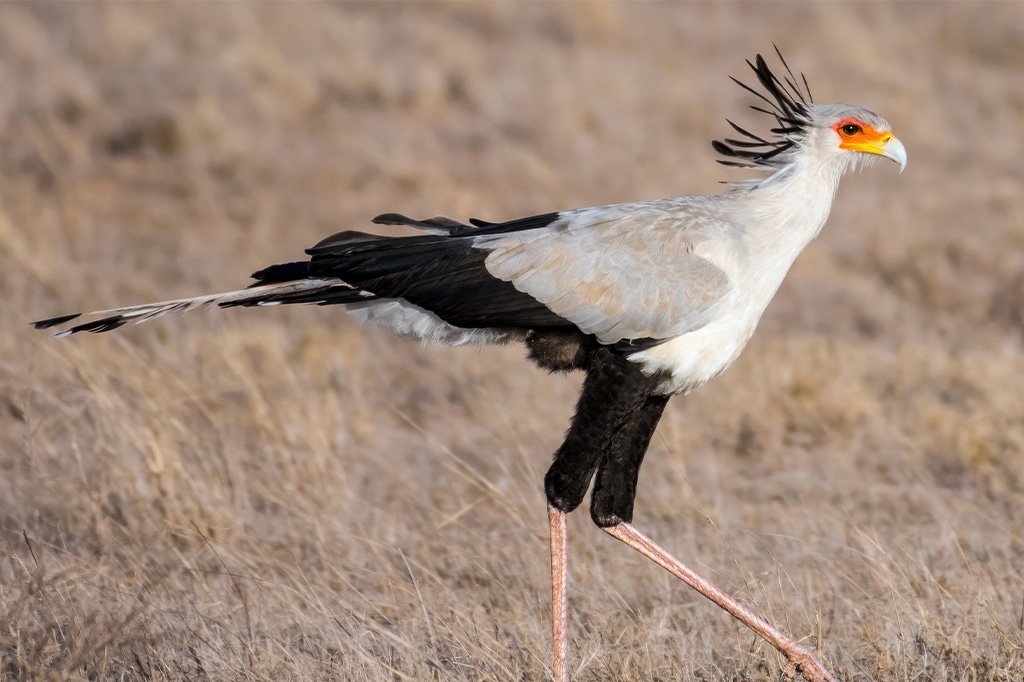
Serengeti is not only a destination for large mammals. It also provides excellent birdwatching opportunities, with more than 500 recorded bird species.
Its grasslands, wetlands, rivers, and woodlands attract a wide variety of resident and migratory birds.
Some notable species include:
| Bird Species | Interesting Feature |
|---|---|
| Ostrich | The largest living bird in the world. |
| Martial Eagle | A powerful bird of prey with impressive hunting abilities. |
| Secretary Bird | Recognised for its long legs and ground-hunting behaviour. |
| Grey-crowned Crane | Known for its distinctive golden crown. |
| Marabou Stork | A large bird commonly associated with wetlands. |
| African Fish Eagle | Famous for its distinctive call and fishing skills. |
| Shoebill | A remarkable bird with a large shoe-shaped bill. |
| Fischer’s Lovebird | A colourful small parrot native to East Africa. |
| Little Bee-eater | A colourful bird that feeds mainly on insects. |
| White-backed Vulture | An important scavenger in the African ecosystem. |
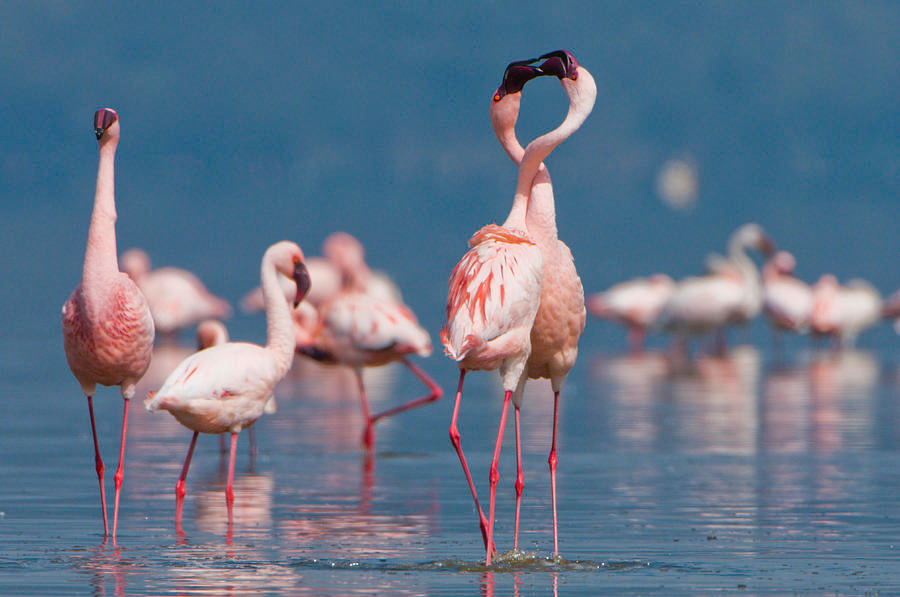
The wider northern Tanzania region also offers opportunities to see large flamingo gatherings around Lake Natron.
For birdwatchers and photographers, the greener months between November and March can be particularly rewarding because migratory birds are present and many species display their breeding plumage.
Serengeti is a year-round safari destination. However, the best time to visit depends on what you want to experience.
The dry season, generally between June and October, is popular for wildlife viewing because vegetation becomes thinner and animals often gather around available water sources.
The green season, from November to May, brings seasonal rainfall, fresh vegetation, and excellent birdwatching opportunities.
| Travel Period | Season | Main Advantages | Things to Consider |
|---|---|---|---|
| June – October | Dry Season | Excellent general wildlife viewing and migration opportunities. | Higher accommodation rates and more visitors. |
| November – December | Short Rains | Greener landscapes and fewer visitors in some areas. | Rain showers and changing wildlife movements. |
| January – March | Calving Season | Wildebeest births and increased predator activity. | Occasional rain and busy calving locations. |
| April – May | Long Rains | Lush scenery and potentially lower safari prices. | Some roads may become difficult to access. |
| Experience | Recommended Months |
|---|---|
| General Wildlife Viewing | June – October |
| Great Migration River Crossings | June – October |
| Wildebeest Calving | January – March |
| Birdwatching | November – March |
| Lion Sightings | January – March and June – October |
| Green Landscape Photography | November – May |
| Fewer Tourists | March – May and November – December |
During the dry season, daytime temperatures can average approximately 26°C (79°F), while mornings and evenings may be cooler, around 14°C (59°F).
During the rainy season, the landscape becomes greener, although rainfall can affect road conditions and travel schedules.
Travel tip: Do not choose your safari dates based on migration alone. Serengeti offers rewarding wildlife experiences throughout the year, and the right region and itinerary can make a significant difference.
Getting to Serengeti is relatively straightforward, with road and domestic flight options available.
Most international travellers arrive through Kilimanjaro International Airport (JRO), near Arusha, which serves as an important starting point for northern Tanzania safaris.
Flying is the fastest way to reach different parts of Serengeti.
Domestic flights from designated airports can take approximately one to one and a half hours, depending on the departure point and destination.
Some of the airstrips serving the park include:
| Airstrip | Location |
|---|---|
| Seronera | Central Serengeti |
| Kusini | Southern Serengeti |
| Lobo | Eastern Serengeti |
| Kirawira | Western Serengeti |
| Kogatende | Northern Serengeti |
| Lamai | Northern Serengeti |
Flying is particularly convenient for travellers with limited time or those planning a fly-in safari.
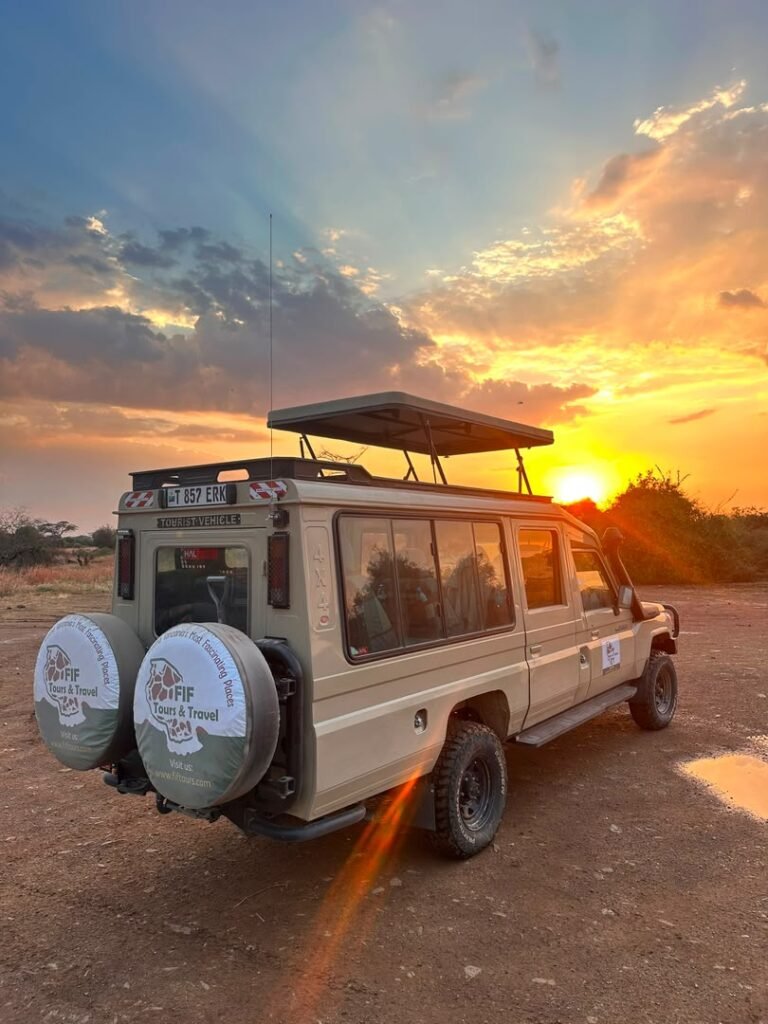
Travelling by road is another popular option, especially for visitors who want to explore several destinations along Tanzania’s northern safari circuit.
A common route is:
Arusha → Lake Manyara → Ngorongoro Crater → Serengeti
The road journey from Arusha to Serengeti is approximately 350 km, and it can take around 7–9 hours depending on the route, road conditions, and stops.
A 4×4 safari vehicle with a pop-up roof is commonly used for game viewing and long-distance safari travel.
| Gate | General Location |
|---|---|
| Naabi Hill Gate | Eastern Serengeti |
| Handajega Gate | Southwestern Serengeti |
| Fort Ikoma Gate | Northwestern boundary |
| Bologonja Gate | Northern Serengeti |
| Ndabaka Gate | Northwestern Serengeti |
| Klein’s Gate | Northeastern Serengeti |
The most suitable entrance depends on your accommodation, safari route, and the region you intend to explore.
One of the advantages of visiting Serengeti is its location within Tanzania’s northern safari circuit. This makes it possible to combine several destinations in one holiday.
Ngorongoro is famous for its spectacular volcanic crater and impressive concentration of wildlife. It offers excellent opportunities to see different animal species within a relatively compact area.
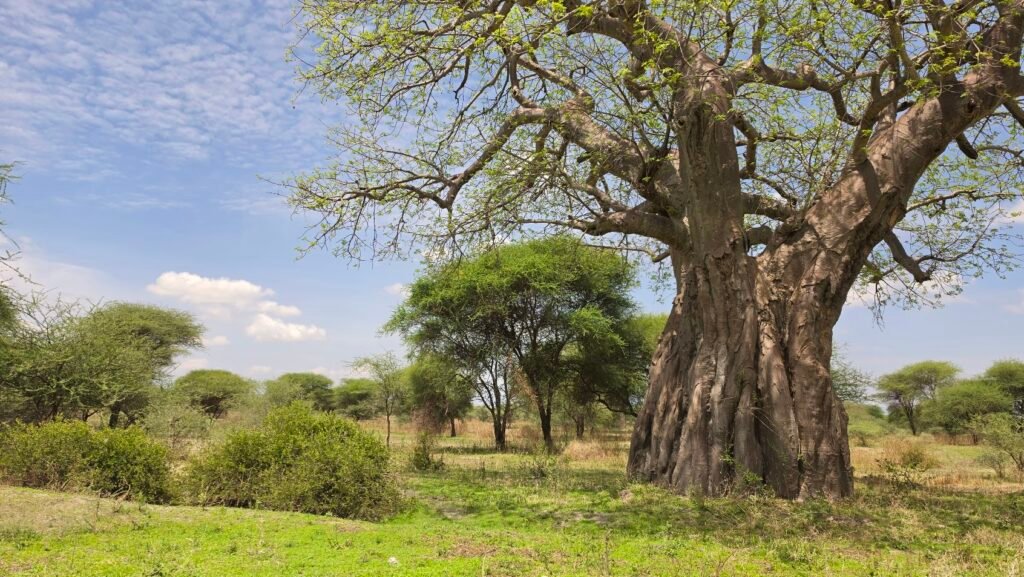
Tarangire is particularly famous for its large elephant populations, ancient baobab trees, and seasonal wildlife movements along the Tarangire River.
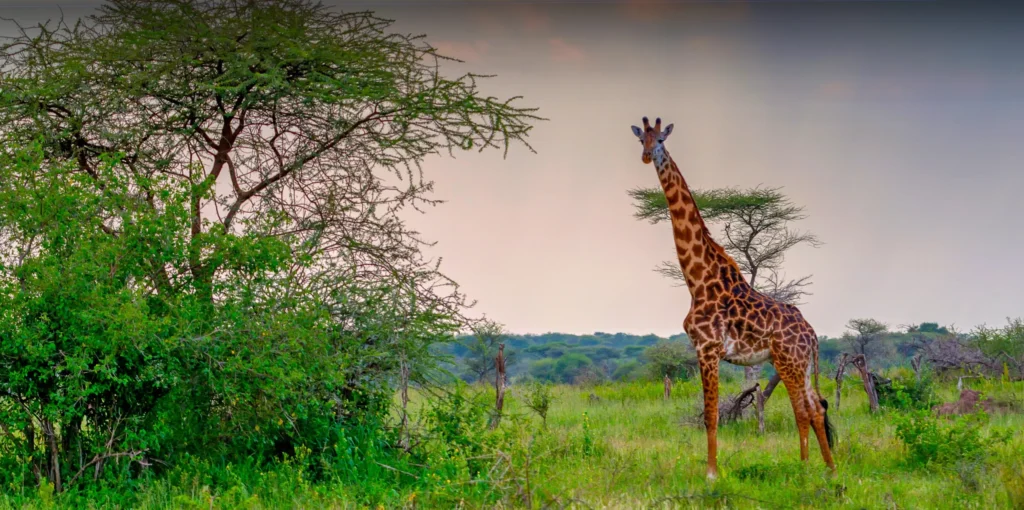
Lake Manyara features a mixture of groundwater forests, open grasslands, and lakeside habitats. It is also known for its rich birdlife and tree-climbing lions.
Located near Arusha town, this park is known for its beautiful scenery, Mount Meru views, forest habitats, and walking safari opportunities.
Combining these destinations gives travellers an opportunity to experience different wildlife habitats and landscapes during one Tanzania safari.
The ideal length of your visit depends on your budget, available time, and the wildlife experiences you want to prioritise.
For travellers who want to explore different parts of the park, spending more than one or two days can provide a better opportunity to experience its diversity.
| Safari Duration | What to Expect |
|---|---|
| 2 Days | A short introduction to the Serengeti, with time for selected game drives. |
| 3 Days | More opportunities to explore different wildlife areas and enjoy game drives. |
| 4–5 Days | A more relaxed experience with opportunities to explore multiple regions. |
| 6+ Days | More flexibility to follow seasonal wildlife movements and explore the wider ecosystem. |
If your main objective is to witness the Great Migration, the number of days is important, but choosing the correct region for your travel dates is equally important.
A Serengeti safari is an opportunity to experience one of Africa’s most remarkable natural environments. From watching the Great Wildebeest Migration to exploring the park’s diverse landscapes and observing predators in their natural habitats, every visit can offer something different.
However, planning the right safari involves more than choosing travel dates. You also need to consider the best wildlife regions, accommodation, transport, park access, and the time required to explore each destination.
At FIF Tours and Travel, we help travellers plan Tanzania safari experiences based on their interests, travel schedules, and budgets.
Whether you are interested in a private Serengeti safari, a longer northern Tanzania wildlife adventure, or a safari combined with a Zanzibar beach holiday, we can help arrange the journey.
Explore our Tanzania safari options and start planning your journey.
Let the Serengeti become more than a destination on your travel list. Experience its wildlife, landscapes, and unforgettable moments for yourself.
The best time is April and May and November and December. Also good: January to March and June to October.
About 7 to 8 hours by road from Arusha to the central Serengeti (Seronera), usually with a night near Karatu or Ngorongoro on the way. Light aircraft also fly from Arusha in about one hour.
At least two nights. Three or four nights let you explore more than one area.
12 of our itineraries visit Serengeti National Park, for example 3-Day Budget Tanzania (Serengeti) Safari, 3-Day Budget Tanzania (Serengeti & Ngorongoro Crater) Safari and 3-Day Budget Tanzania Safari (Serengeti & Ngorongoro Crater). Every one can be changed to fit your dates and budget.
Search FIF Tours
Loading search…
Announcement · November 12, 2026
When to go, where to stay and how many days to spend in Ndutu for the wildebeest calving season, with FIF Tours Black Friday 2026 offers.