Mount Meru may be Tanzania’s second-highest peak, but for those who dare to walk its cratered spine, it becomes a first-rate revelation. With far fewer crowds than its neighbor Kilimanjaro, Mount Meru is a sacred gateway into untamed wilderness, alpine solitude, and volcanic majesty. But the timing of your journey matters. Weather, wildlife, visibility, and trail conditions shift with the rhythm of the seasons.
In this guide, we break down the best time to climb Mount Meru, reveal how seasons affect the experience, and help you choose the perfect window to hike this sleeping giant.
Mount Meru can technically be climbed year-round, but the dry seasons offer the most stable conditions:
| Season | Months | Trail Conditions | Highlights |
|---|---|---|---|
| Long Dry Season | June to October | Dry, clear, excellent footing | Best visibility, golden sunrises, perfect for photography and summit success |
| Short Dry Season | January to mid-March | Dry with occasional cloud | Wildlife is active, fewer crowds than June–Oct |
| Long Rains | March to May | Muddy, slippery, misty | Trails may close, low visibility, not recommended |
| Short Rains | November to December | Wet but climbable early Nov | Lush forests, fewer climbers, occasional wildlife viewing |

This is the best time to climb Mount Meru for those who prioritize trail stability, stunning visibility, and dry weather. Crisp mountain air carries echoes from the crater, and skies are often crystal clear.
Pros: Excellent trail conditions, high summit success, minimal rain
Cons: Slightly more climbers, especially in August
Ideal for: Photographers, solo trekkers, Kilimanjaro prep
Early November may still be favorable for experienced trekkers, but rains pick up toward late November. The landscape transforms into emerald rainforest.
Pros: Fewer crowds, lush scenery, good for forest photography
Cons: Unpredictable showers, slippery sections
Ideal for: Bird watchers, nature lovers, off-peak adventurers
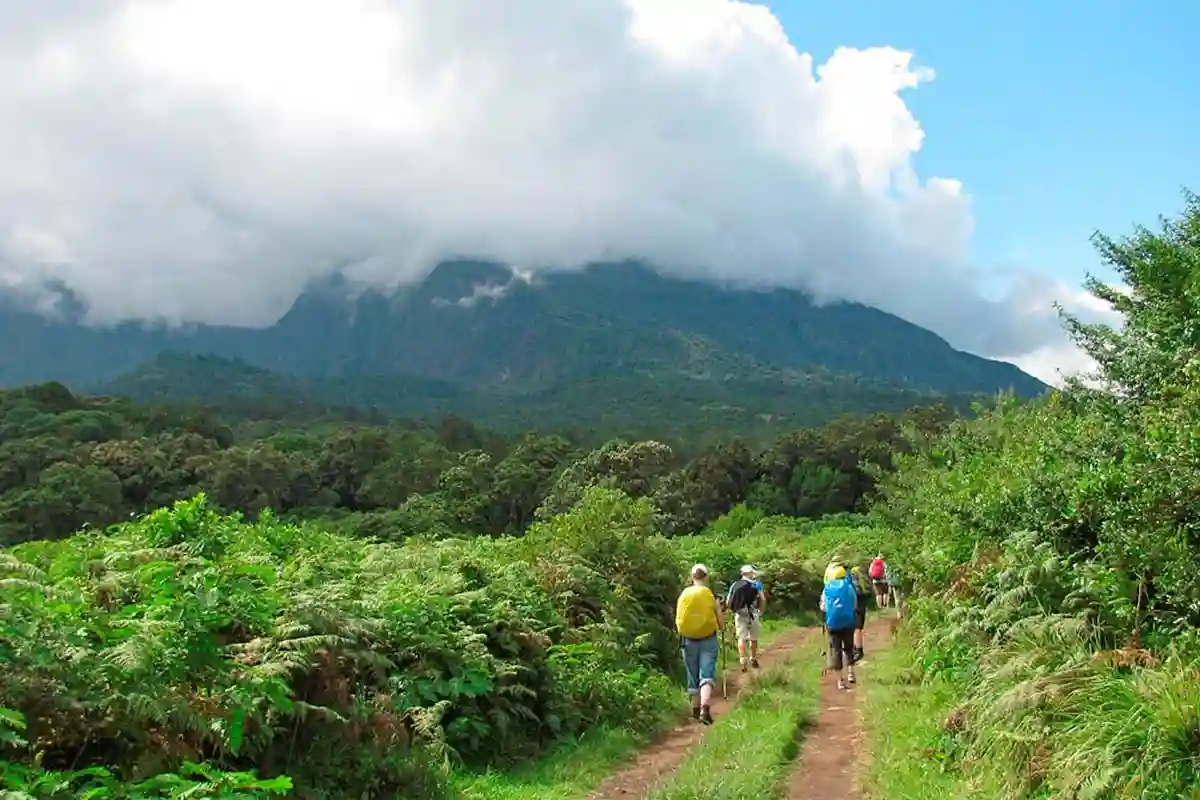
Often overlooked, this shoulder season has excellent climbing conditions, with fewer trekkers than mid-year months. It’s also an incredible period for wildlife sightings at lower elevations.
Pros: Good trail conditions, rare animal sightings, less crowded
Cons: Slightly hazier skies than in June–October
Ideal for: Wildlife photographers, quiet explorers, acclimatization
This is Mount Meru’s long rainy season. Trails are drenched, visibility is low, and park authorities sometimes close routes for safety.
Pros: Greenest landscapes (if you’re local and used to wet hikes)
Cons: Mud, mist, trail hazards, low summit success
Ideal for: Local trekkers with gear, rainy-season enthusiasts

Mount Meru is unique in that wildlife sightings begin from Day 1. Here’s how the seasons affect animal behavior:
June–October: Elephants, giraffes, buffalo, and monkeys are highly visible in the lower forest
January–March: Great for rare birds and predators like leopards
April–May: Animals are harder to spot due to vegetation and mist

| If you value… | Best Time to Go |
|---|---|
| Summit success + dry trails | June–October |
| Solitude + decent weather | January–March |
| Wildlife + greenery | November or January |
| Budget travel + fewer crowds | Short rain shoulder seasons |
“If you’re climbing Meru as a warm-up for Kilimanjaro, go between late June and early October—perfect acclimatization timing.”
“We get some of the clearest skies in September, especially near Socialist Peak.”
“If you’re a bird lover, come in February or November—the forest sings!”
If you’re after breathtaking views and an unforgettable summit experience, June to October is unbeatable. But don’t discount the serene beauty of January to March, where fewer footsteps share the trail and the wilderness speaks louder.
Whenever you choose to climb, Mount Meru offers more than just a hike—it offers connection, clarity, and calm that echoes long after you’ve descended.
Unlock the door to Tanzania’s breathtaking marvels with us. Our tailored tours offer an exclusive gateway to the heart of Africa’s treasures. Immerse yourself in the untamed beauty of the Serengeti, the cultural richness of local communities, and the pristine shores of Zanzibar. Each journey is crafted to resonate with your wanderlust, ensuring that every step you take in this enchanting land becomes a memory you’ll treasure forever.
FIF Tours and Travel
Typically replies within minutes
Any questions related to When to go?
WhatsApp Us
🟢 Online | Privacy policy
WhatsApp us