Welcome to the breathtaking world of Mount Kilimanjaro, where towering peaks and rich biodiversity await adventurers from across the globe. In this article, we’ll delve into 15 surprising truths that unveil the hidden wonders of this majestic natural wonder. From its awe-inspiring geological formation to its cultural significance and conservation efforts, prepare to be captivated by the fascinating secrets of Mount Kilimanjaro.
Unveiling Mount Kilimanjaro: A Natural Wonder
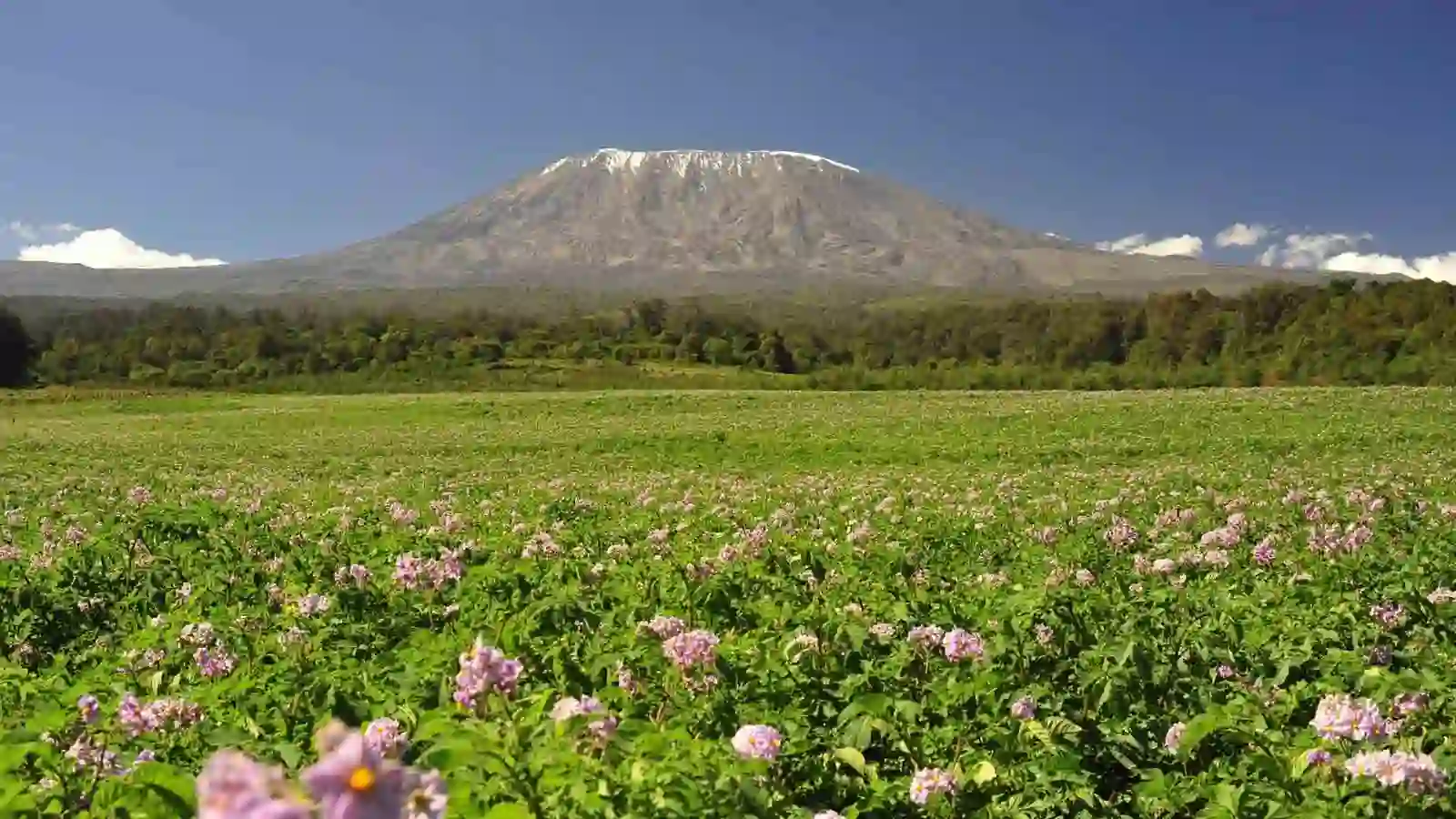
A Brief Overview of Mount Kilimanjaro: Mount Kilimanjaro stands as the tallest freestanding mountain in the world, soaring proudly to an impressive height of 5,895 meters (19,341 feet) above sea level. Located in Tanzania, East Africa, this iconic landmark beckons adventurers and nature enthusiasts with its awe-inspiring beauty and diverse ecosystems.

Did you know that Mount Kilimanjaro is composed of three distinct volcanic cones: Kibo, Mawenzi, and Shira? Each cone offers a unique landscape, ranging from rugged terrain to snow-capped summits. Situated near the equator, Mount Kilimanjaro boasts a remarkable elevation gain of over 4,600 meters (15,000 feet) from its base to its highest point, making it a challenging yet rewarding destination for climbers.
Despite its towering altitude, Mount Kilimanjaro supports a remarkable array of ecosystems, ranging from lush rainforests to alpine deserts. As climbers ascend the mountain, they traverse through distinct vegetation zones, each harboring its own unique flora and fauna. From ancient trees to elusive wildlife, Mount Kilimanjaro’s biodiversity continues to captivate and inspire conservation efforts worldwide.
You never climb the same mountain twice, not even in memory. Memory rebuilds the mountain, changes the weather, retells the jokes, remakes all the moves.
- Lito Tejada-Flores
The Geological History Behind Mount Kilimanjaro: Mount Kilimanjaro’s origins trace back millions of years to volcanic activity and tectonic movements that shaped the East African landscape. The mountain’s three cones emerged from successive eruptions, leaving behind a legacy of rugged peaks and fertile plains. Today, Mount Kilimanjaro stands as a testament to the forces of nature and the enduring beauty of the African continent.
How Mount Kilimanjaro Got Its Name: A Fascinating Tale: The name “Kilimanjaro” is believed to have Swahili origins, with “kilima” meaning “mountain” and “njaro” possibly referring to “whiteness” or “shining.” This name reflects the mountain’s snow-capped peaks and pristine beauty, which have captivated explorers and storytellers for centuries.
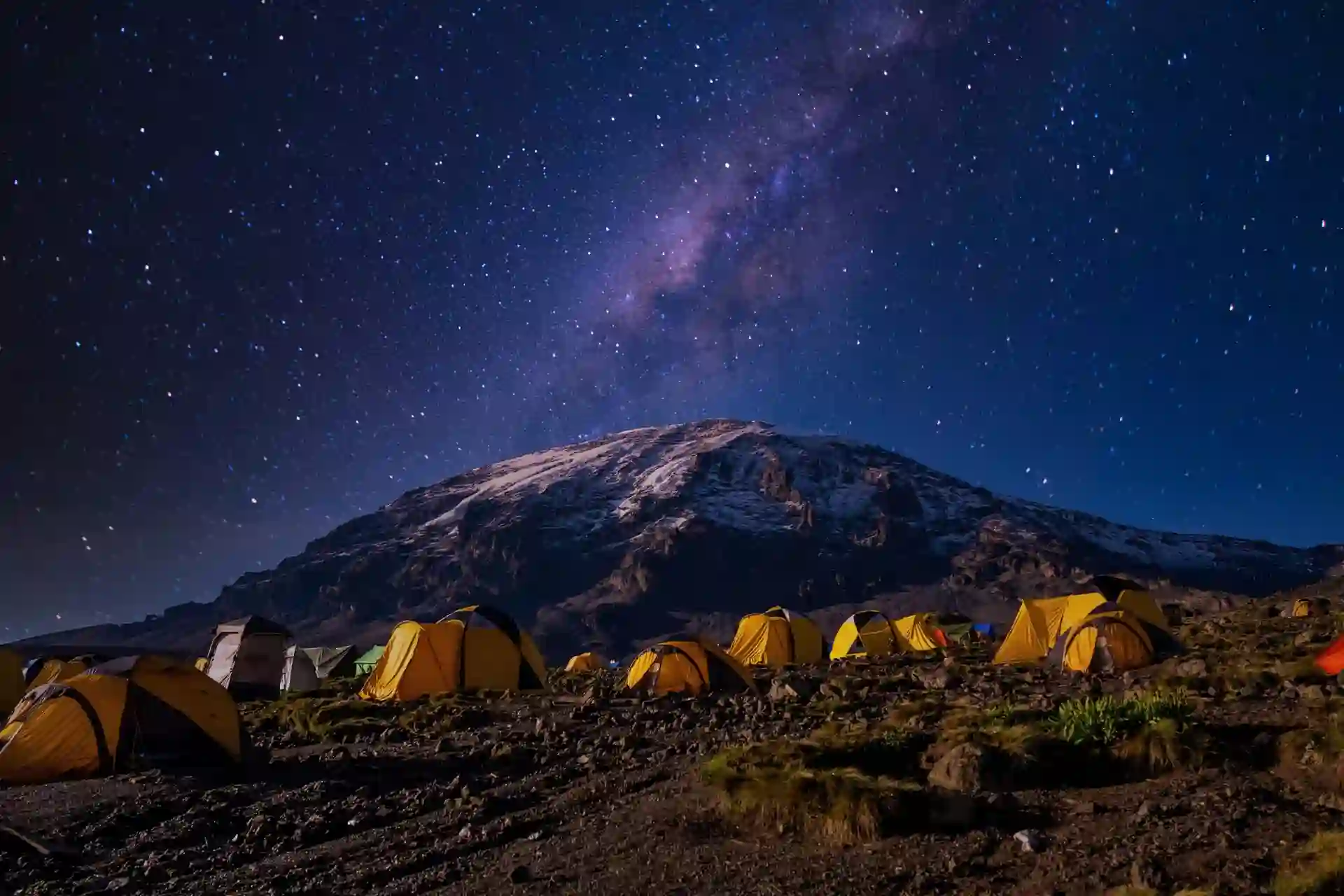
Mythological Beliefs Associated with Mount Kilimanjaro: Throughout history, Mount Kilimanjaro has been steeped in myth and legend, serving as a sacred site for indigenous tribes and spiritual seekers. Some believe that the mountain is home to ancestral spirits, while others see it as a gateway to the heavens. These mythological beliefs add a sense of mystery and reverence to Mount Kilimanjaro, enriching the cultural tapestry of the region.
The Popular Climbing Routes: Mount Kilimanjaro offers several routes for climbers of varying skill levels, each presenting its own challenges and rewards. From the scenic Machame Route to the iconic Marangu Route, adventurers can choose the path that best suits their preferences and abilities. While some routes may be more demanding than others, each offers stunning views and unforgettable experiences along the way.
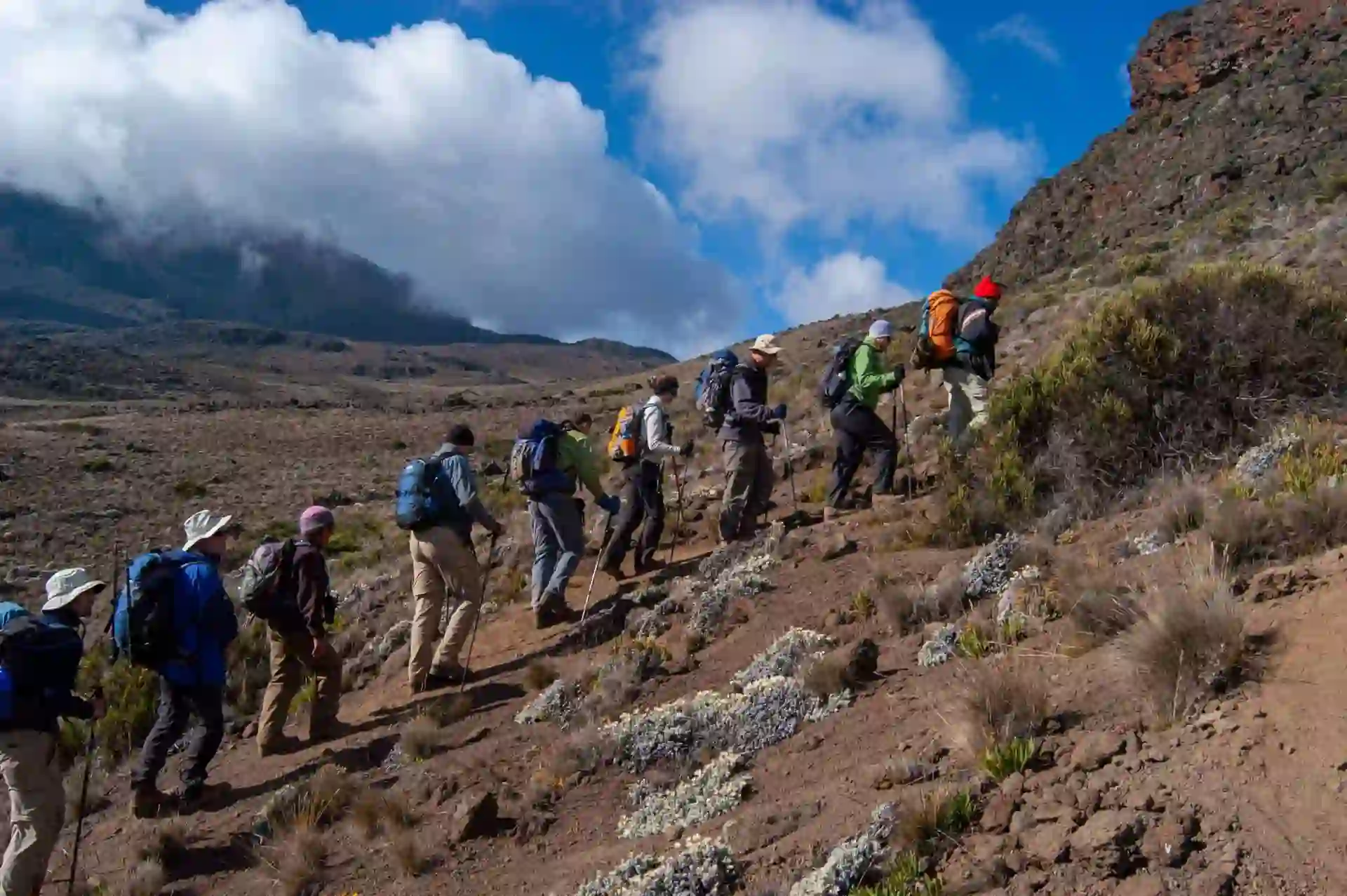
Challenges and Rewards of Climbing Mount Kilimanjaro: Climbing Mount Kilimanjaro is no easy feat, requiring careful preparation, physical endurance, and mental resilience. The altitude, weather conditions, and rugged terrain pose significant challenges to climbers, testing their determination and stamina. However, reaching the summit of Mount Kilimanjaro is a truly rewarding experience, offering unparalleled views and a sense of accomplishment that lasts a lifetime.
Unique Flora and Fauna Encountered Along the Way: As climbers ascend Mount Kilimanjaro, they are treated to a remarkable display of biodiversity, with each vegetation zone revealing its own hidden treasures. From towering trees to colorful wildflowers, the mountain is teeming with life, including rare species found nowhere else on Earth. Keep an eye out for elusive animals such as colobus monkeys and mountain antelope, which call Mount Kilimanjaro home.
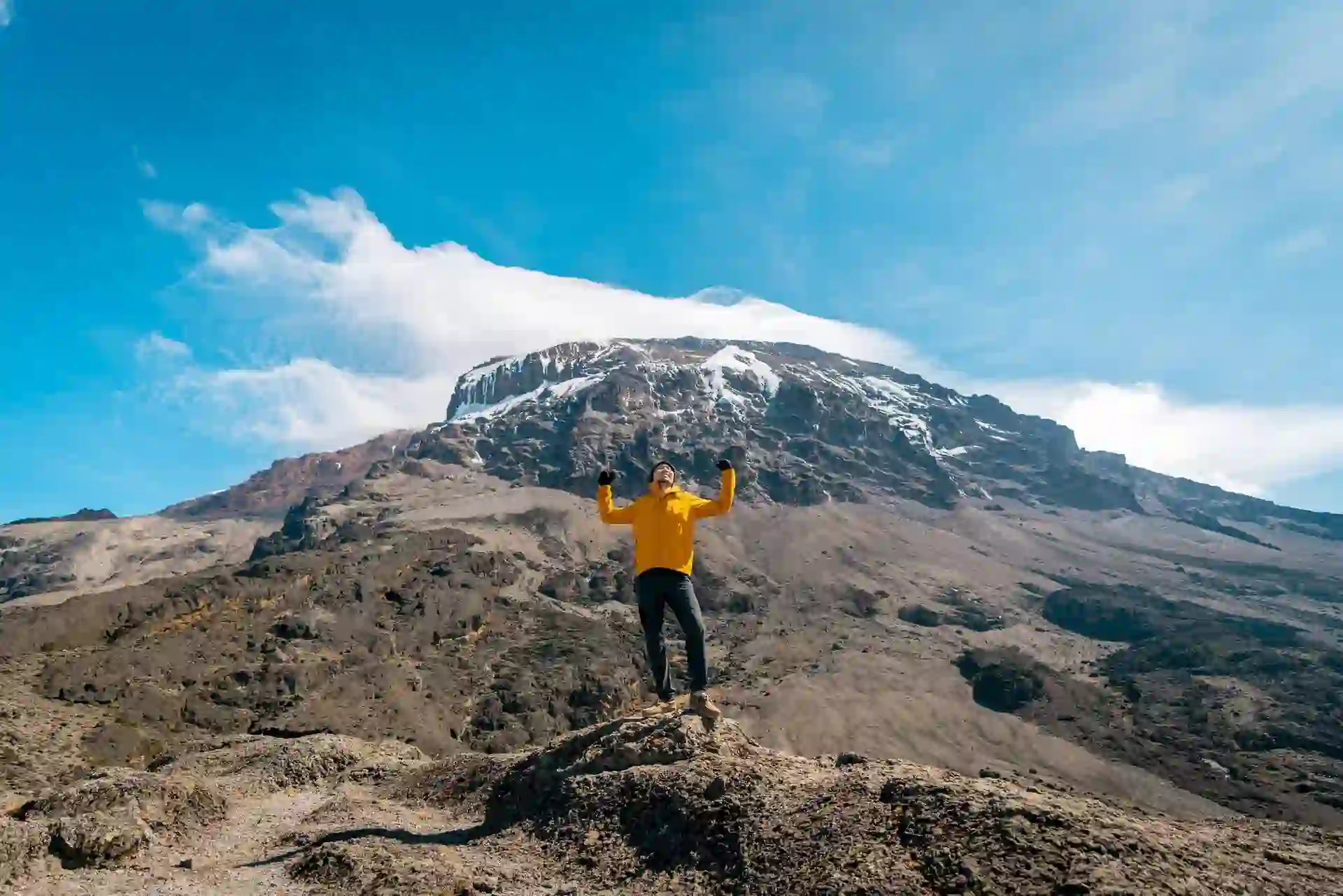
Preservation Initiatives to Protect Mount Kilimanjaro’s Ecosystem: Recognizing the ecological importance of Mount Kilimanjaro, conservationists and local communities have joined forces to preserve its fragile ecosystems. Initiatives such as reforestation, waste management, and wildlife conservation aim to safeguard the mountain’s biodiversity for future generations to enjoy. By promoting sustainable tourism practices, these efforts ensure that Mount Kilimanjaro remains a pristine wilderness for years to come.
Environmental Challenges Facing Mount Kilimanjaro: Despite ongoing conservation efforts, Mount Kilimanjaro faces various environmental threats, including deforestation, climate change, and habitat destruction. Rising temperatures and shifting weather patterns pose risks to the mountain’s delicate ecosystems, jeopardizing the survival of endemic species and altering the landscape irreversibly. Addressing these challenges requires global cooperation and a commitment to environmental stewardship.
Sustainable Tourism Practices on Mount Kilimanjaro: To minimize the environmental impact of tourism, responsible travelers are encouraged to follow sustainable practices when visiting Mount Kilimanjaro. This includes respecting wildlife, reducing waste, and supporting local conservation initiatives. By choosing eco-friendly tour operators and practicing Leave No Trace principles, visitors can help preserve the natural beauty of Mount Kilimanjaro for future generations.
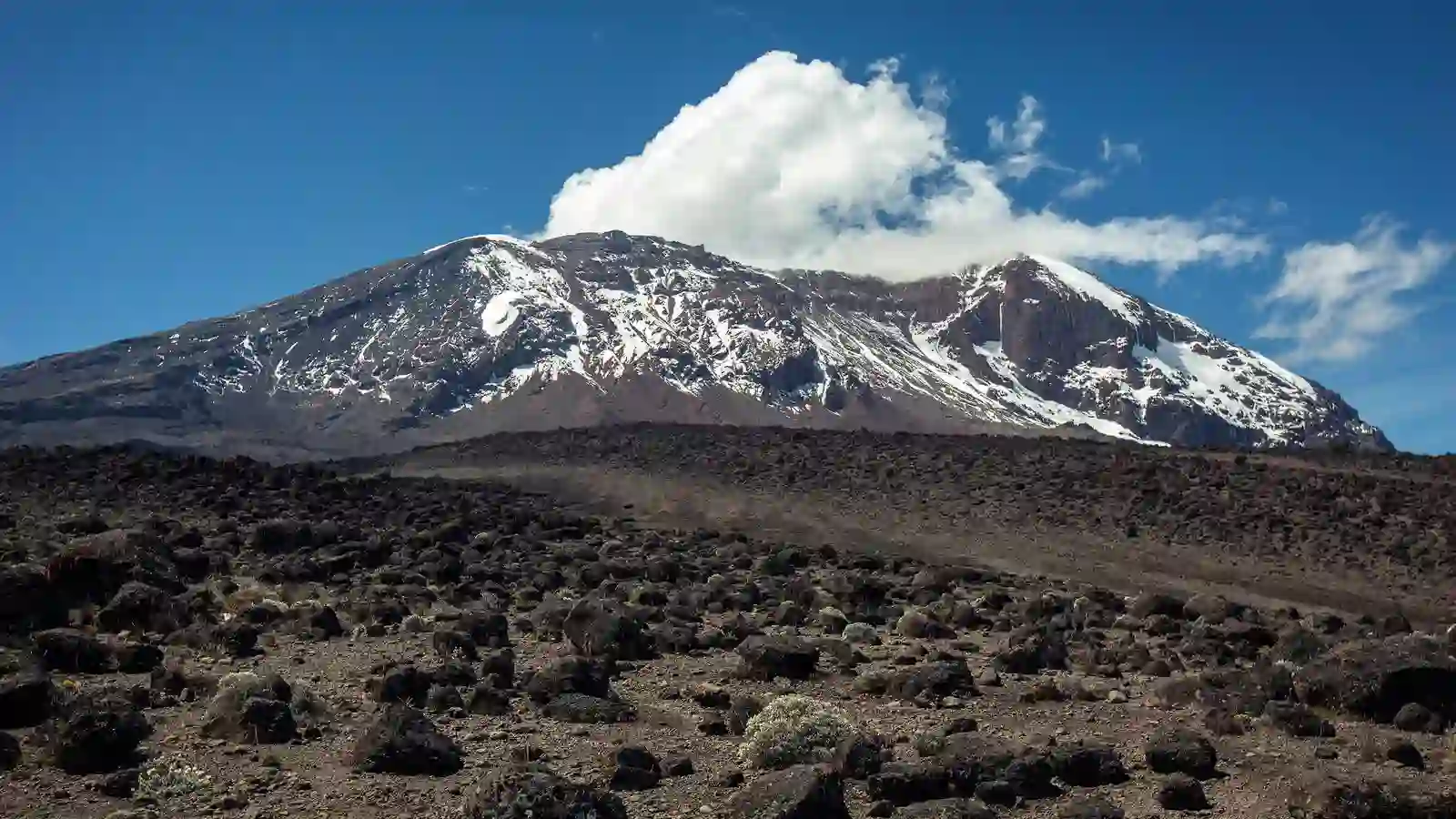
Indigenous Tribes Living Around Mount Kilimanjaro: The slopes of Mount Kilimanjaro are home to several indigenous tribes, each with its own rich cultural heritage and traditions. From the Chagga people to the Maasai and Samburu, these communities have coexisted with the mountain for centuries, relying on its resources for sustenance and spiritual nourishment. Their customs, languages, and livelihoods are deeply intertwined with the natural rhythms of Mount Kilimanjaro, creating a tapestry of cultural diversity.
Cultural Traditions and Festivals Celebrated in the Region: Throughout the year, the communities surrounding Mount Kilimanjaro celebrate a variety of cultural festivals and ceremonies that pay homage to the mountain’s significance. From harvest festivals to initiation rites, these events offer insight into the spiritual beliefs and social customs of the local tribes. Visitors are often welcomed to participate in these celebrations, gaining a deeper understanding of the cultural fabric of Mount Kilimanjaro.
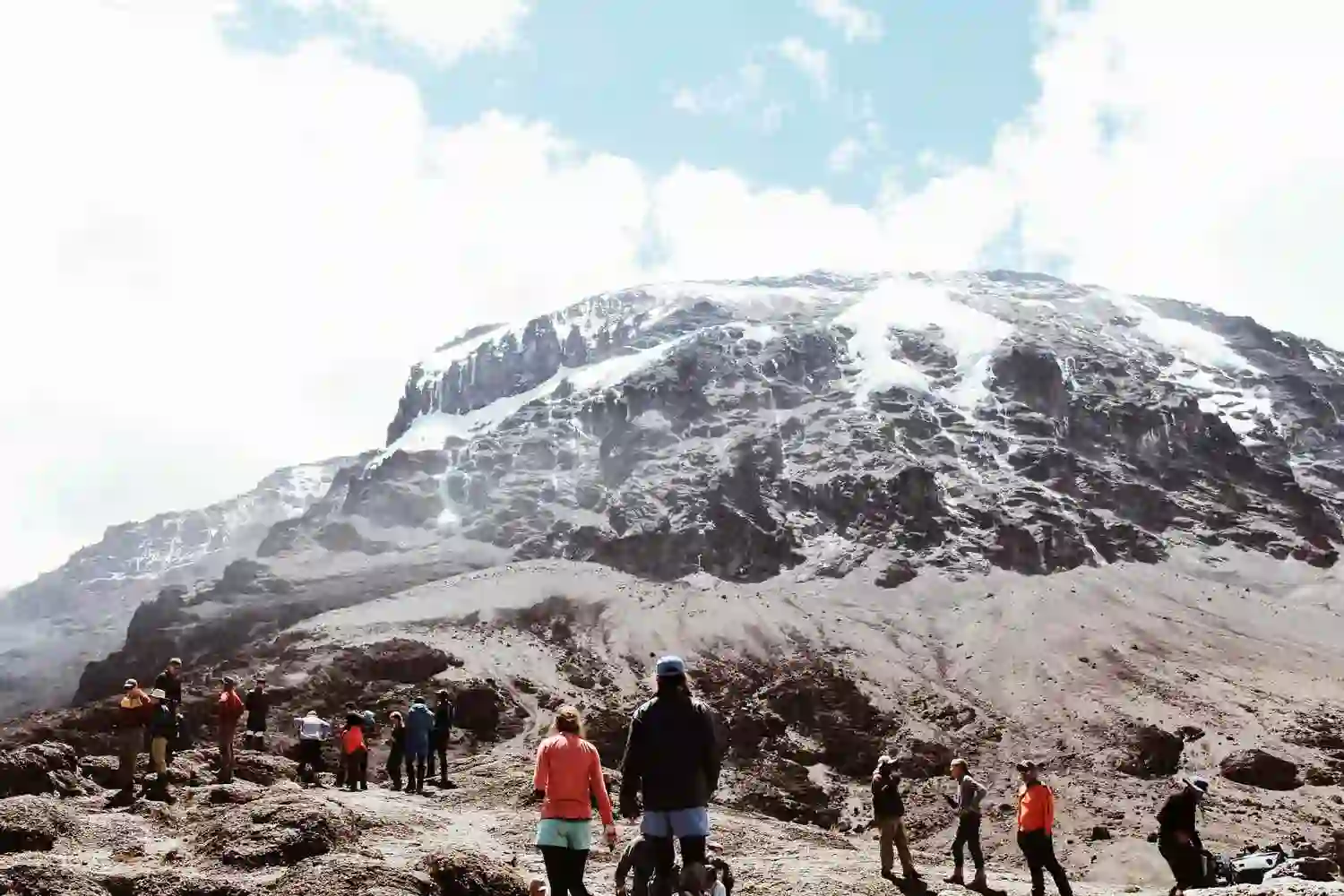
Economic Impact of Tourism on Local Communities: Tourism plays a vital role in the economic development of the communities around Mount Kilimanjaro, providing employment opportunities and income generation for local residents. By supporting local guides, porters, and businesses, travelers contribute directly to the livelihoods of those who call the region home. Sustainable tourism initiatives aim to ensure that the benefits of tourism are shared equitably among community members, empowering them to thrive while preserving their cultural heritage.
Preparing for Altitude Sickness: What You Need to Know: Altitude sickness is a common concern for climbers attempting to summit Mount Kilimanjaro, with symptoms ranging from mild headaches to severe respiratory distress. To minimize the risk of altitude-related illness, climbers are advised to acclimatize gradually, stay hydrated, and listen to their bodies. Consulting with a medical professional before embarking on the climb can also help ensure a safe and enjoyable experience.
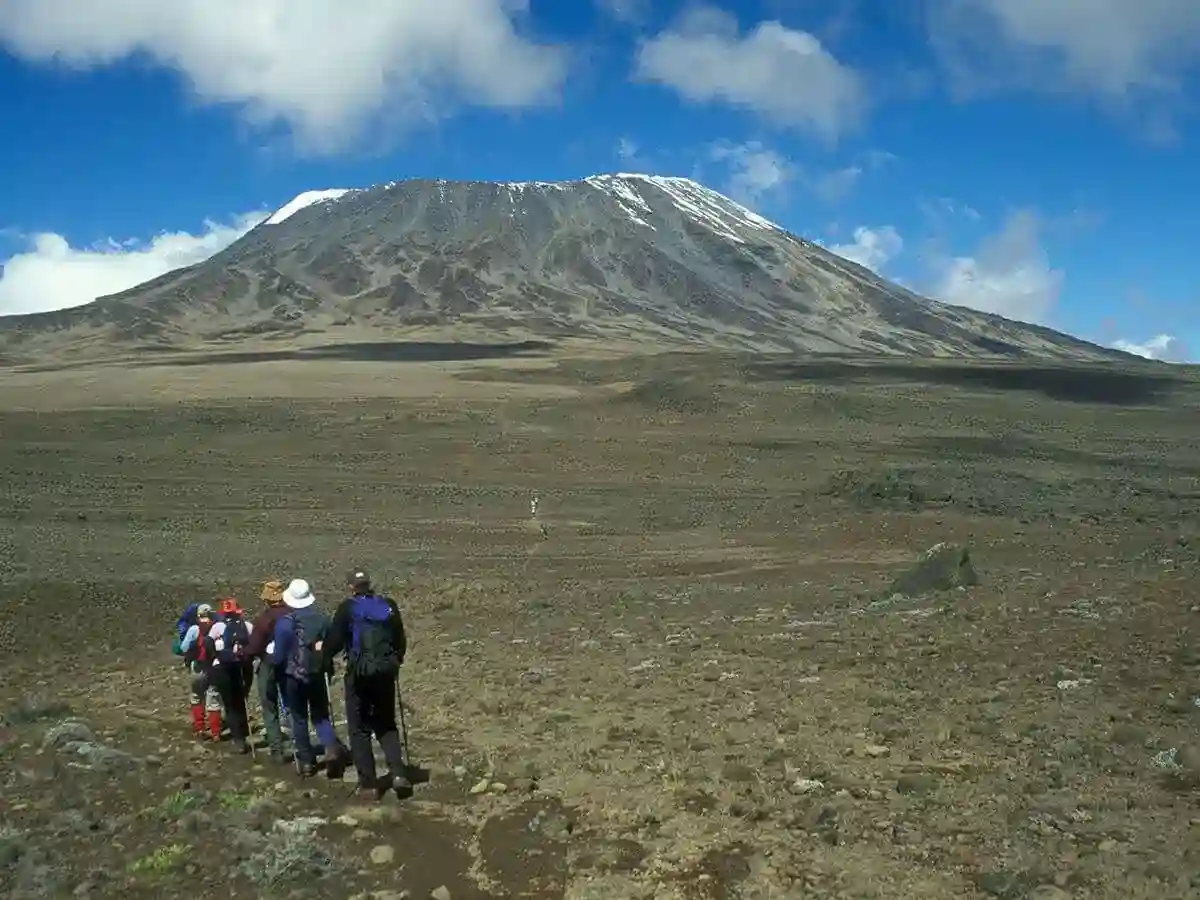
Essential Gear and Equipment for Climbing Mount Kilimanjaro: Proper gear and equipment are essential for a successful climb up Mount Kilimanjaro, with items such as sturdy hiking boots, warm clothing, and a reliable backpack topping the list. Climbers should also pack essential supplies such as water, snacks, and a first-aid kit to stay prepared for any situation. Investing in quality gear and taking the time to pack wisely can make all the difference in the comfort and safety of your climb.
Choosing the Right Tour Operator: Tips for a Memorable Experience: When planning your Mount Kilimanjaro adventure, selecting the right tour operator is crucial for a memorable and safe experience. Look for operators with experience, expertise, and a commitment to sustainable tourism practices. Reading reviews, asking for recommendations, and verifying certifications can help ensure that you choose a reputable operator that prioritizes your safety and satisfaction.
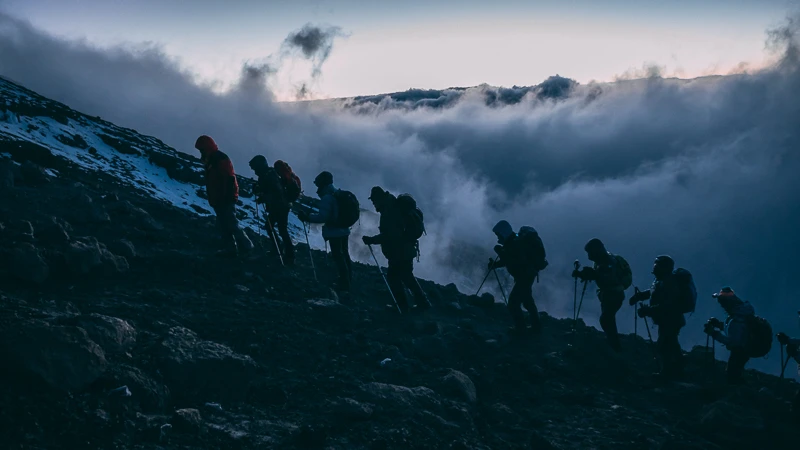
As we conclude our exploration of Mount Kilimanjaro, we invite you to embark on your own journey to discover the beauty and wonder of this iconic mountain. Whether you’re drawn to its towering peaks, diverse ecosystems, or cultural heritage, Mount Kilimanjaro offers an unforgettable experience for adventurers of all ages and backgrounds. By respecting the environment, embracing local culture, and practicing responsible tourism, you can make a positive impact while creating lifelong memories on Africa’s highest peak.
FIF Tours and Travel
Typically replies within minutes
Any questions related to Scaling Heights – 15 Surprising Truths About Mount Kilimanjaro?
WhatsApp Us
🟢 Online | Privacy policy
WhatsApp us