
Welcome to the Serengeti National Park, a realm of boundless beauty and unparalleled biodiversity nestled in the heart of East Africa. In this exploration, we embark on a journey to uncover the captivating intricacies of the Serengeti Great Migration, revealing 15 intriguing insights (15 interesting facts about Serengeti Great Migration) into one of nature’s most spectacular phenomena. From the thundering hooves of wildebeest to the stealthy prowling of predators, join us as we delve into the magic of this extraordinary natural spectacle.
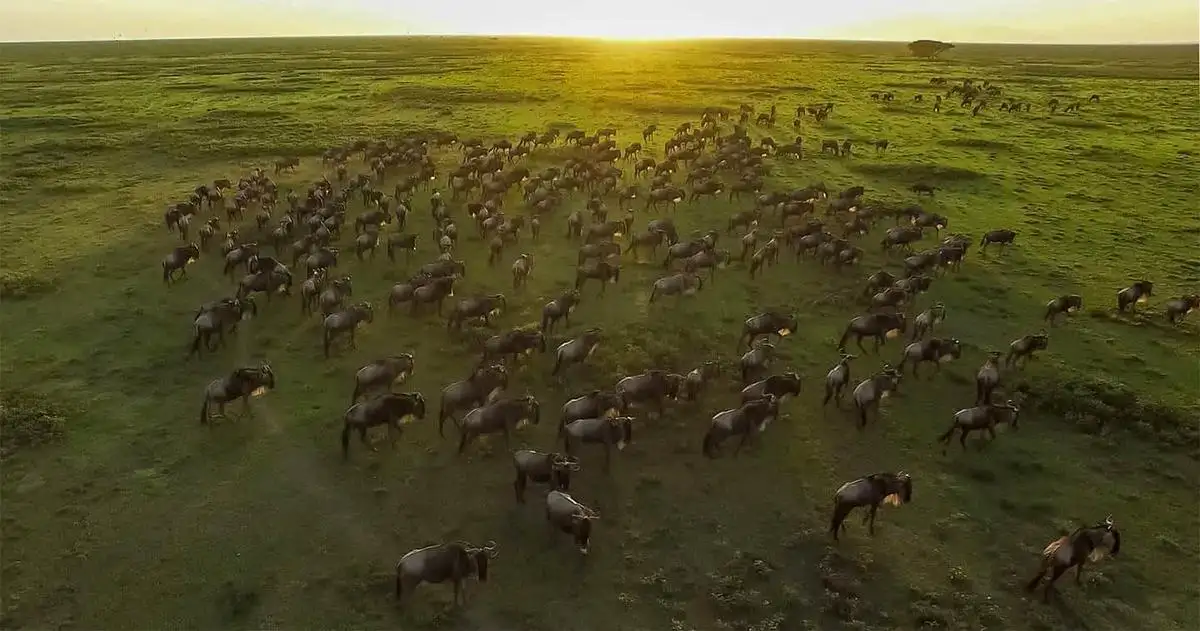
Serengeti National Park serves as the epicenter of the Great Migration, a breathtaking spectacle where millions of wildebeest, zebras, and other wildlife traverse the plains in search of greener pastures. This annual phenomenon is a testament to the park’s ecological richness and serves as a reminder of the interconnectedness of all living beings.
Behold the zebra on the plains, and shudder at his mighty manes!
-Ogden Nash
Explore the seasonal rhythms that govern the Great Migration, from the lush greenery of the rainy season to the dry, dusty plains of the dry season. Each phase of the migration offers a unique glimpse into the resilience and adaptability of nature, as animals navigate changing conditions in their quest for survival.

Beyond the migration, Serengeti National Park is home to a diverse array of wildlife, including the iconic Big Five – lions, elephants, buffaloes, leopards, and rhinoceroses – as well as over 500 bird species. From majestic predators to graceful herbivores, the park’s inhabitants form a complex web of life that is both captivating and awe-inspiring.
Recognized for its outstanding universal value, Serengeti National Park was designated a UNESCO World Heritage Site in 1981. This prestigious designation underscores the park’s importance as a global conservation priority and highlights its role in preserving Earth’s natural heritage for future generations.
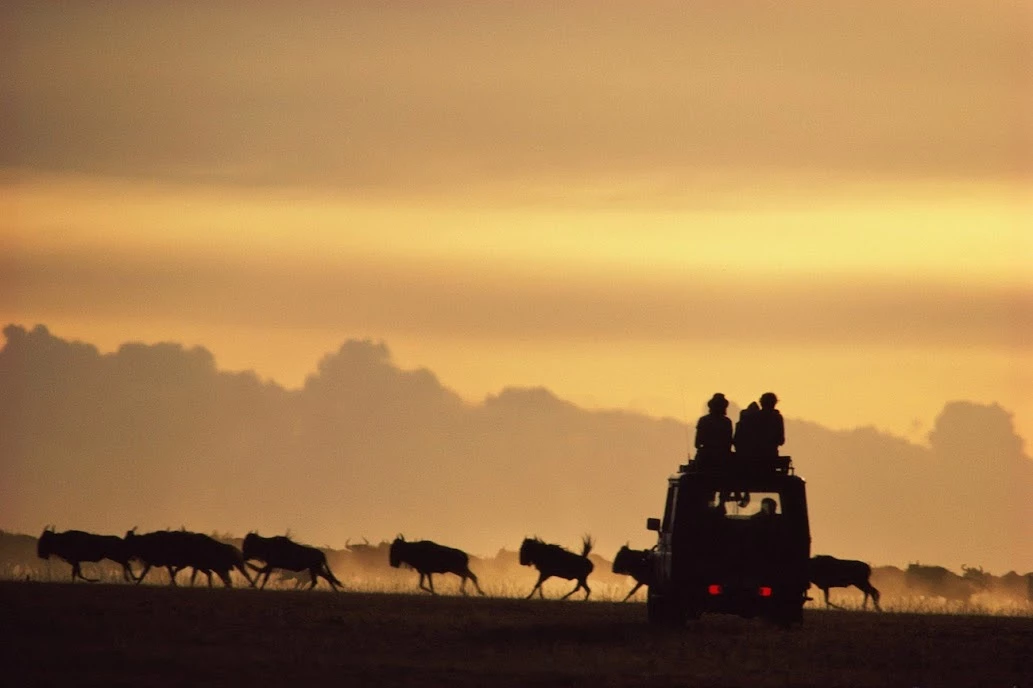
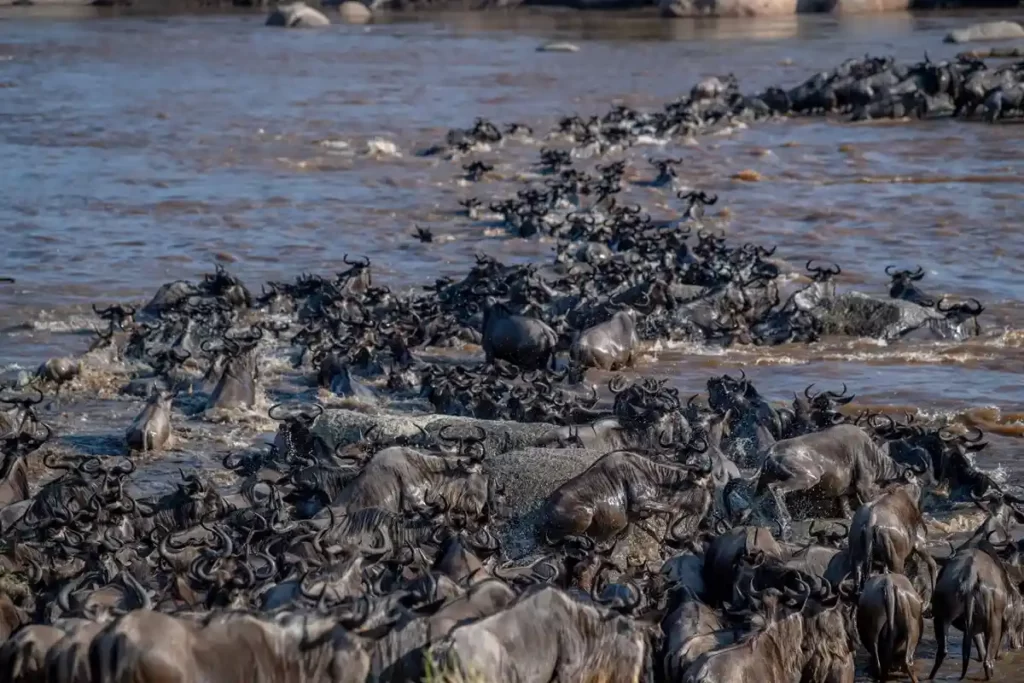
Experience the drama and peril of river crossings as herds of wildebeest and zebra brave crocodile-infested waters in their journey across the Mara River. These crossings are a highlight of the migration, attracting visitors from around the world who come to witness this incredible display of nature’s power and resilience.
Delve into the intricate dance of predator-prey dynamics as lions, cheetahs, and other predators capitalize on the abundance of prey during the migration. This delicate balance of nature is essential for the park’s ecosystem, as predators help regulate prey populations and maintain overall ecological health.
Explore the cultural significance of the Great Migration for the indigenous peoples of the region, including the Maasai and Hadzabe. For centuries, these communities have coexisted with wildlife, incorporating animals into their myths, legends, and daily lives. Their deep connection to the land serves as a reminder of the importance of cultural diversity in conservation efforts.
Learn about the conservation challenges facing Serengeti National Park, from habitat loss and fragmentation to poaching and human-wildlife conflict. Despite these challenges, dedicated conservation efforts are underway to protect the park’s biodiversity and ensure its long-term sustainability.
Gain insight into the migration routes and timing as herds of animals follow ancient pathways across the Serengeti. These routes are determined by a combination of environmental factors, including the availability of food, water, and favorable weather conditions. Understanding these patterns is key to appreciating the scale and significance of the migration.
Serengeti’s vast landscapes and abundant wildlife offer endless opportunities for photography enthusiasts. Whether capturing the golden glow of sunrise over the savannah or the raw emotion of a predator-prey encounter, the park provides a rich tapestry of scenes and subjects to inspire photographers of all skill levels.

Experience the Serengeti from a different perspective with a hot air balloon safari. Drift silently above the plains at dawn, taking in panoramic views of the migration as it unfolds below. This exhilarating experience offers a unique opportunity to appreciate the scale and beauty of the Serengeti from above.
Explore the symbiotic relationship between the Great Migration and local communities, whose livelihoods are intertwined with the park’s ecosystem. Tourism revenue supports community development projects, infrastructure improvements, and conservation initiatives that benefit both residents and wildlife.

Appreciate the transboundary nature of the migration as herds cross international borders between Tanzania and Kenya in search of fresh grazing grounds. This cross-border journey underscores the interconnectedness of ecosystems and highlights the importance of international cooperation in conserving shared natural resources.
Consider the impact of climate change on the Serengeti ecosystem and the migration patterns of its inhabitants. Rising temperatures, changing rainfall patterns, and habitat degradation pose significant challenges to the park’s biodiversity and require adaptive management strategies to ensure its long-term resilience.
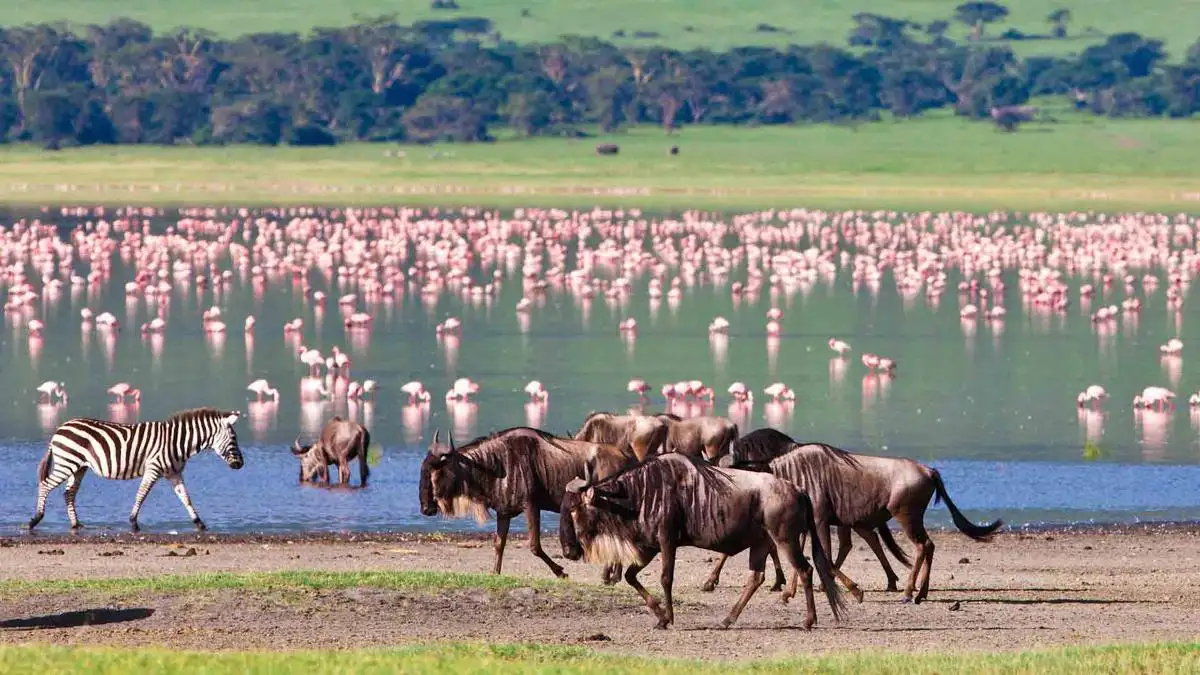
Serengeti National Park offers unparalleled opportunities for education and research, from studying animal behavior and ecology to monitoring climate change and its effects on wildlife populations. Scientists, students, and conservationists from around the world come to the park to conduct research and contribute to our understanding of this unique and dynamic ecosystem.
In conclusion, the Great Migration of Serengeti National Park is more than just a natural phenomenon; it’s a testament to the enduring power of nature and the human spirit. As travelers embark on their own journey of discovery, may they be inspired by the beauty of the Serengeti and the timeless wisdom it holds. For in the heart of Africa’s wilderness, there lies a world of wonder waiting to be explored—a world where every moment is an adventure, and every step a glimpse into the infinite majesty of life itself.
FIF Tours and Travel
Typically replies within minutes
Any questions related to 15 interesting facts about Serengeti Great Migration?
WhatsApp Us
🟢 Online | Privacy policy
WhatsApp us